Why Choose Bare Stranded Copper Wire for Global Sourcing?

Time:2026-10-10 Author:Amelia
0%

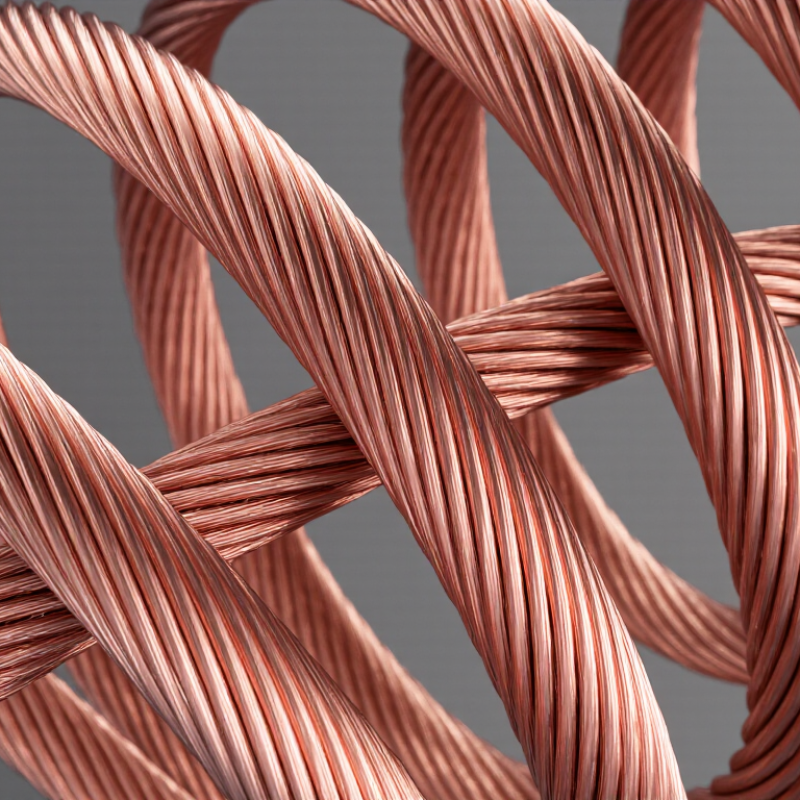
Global buyers comparing conductive materials often find Bare Stranded Copper offers a practical balance of conductivity, flexibility, and manufacturing simplicity. It consists of multiple uncoated copper wires twisted into a compact conductor. This structure bends more easily than solid wire with a similar size. It can also support dependable electrical performance when strand diameter, temper, and surface quality are controlled. The details matter. For global sourcing teams, the key question is not whether copper is familiar. It is whether the supplier can deliver consistent construction, documentation, and packaging from batch to batch.

An experienced sourcing process begins with a clear specification. Define conductor size, strand count, lay direction, copper grade, temper, coil length, and acceptable tolerances. Request material declarations, inspection records, and representative samples before approving volume production. Visual checks should identify oxidation, broken strands, uneven twisting, and damaged reels. Electrical tests can verify resistance against the agreed technical requirement. Packaging also deserves attention. Moisture-resistant wrapping, labeled coils, and sturdy pallets can reduce surprises during ocean or air transport. These steps are simple, but teams often skip them when deadlines become tight.

Bare Stranded Copper is not automatically the best choice for every installation. It may need protection against corrosion, abrasion, or contact with surrounding materials. A lower quote can conceal higher handling or finishing costs. Careful comparison becomes valuable here. Review supplier capacity, quality controls, production records, and response speed, not only price. Some assumptions will be wrong. Recheck them with samples and independent testing when the application is critical. A reliable global sourcing decision comes from evidence, transparent communication, and a willingness to question convenient answers.
Why Choose Bare Stranded Copper Wire for Global Sourcing?

Define Bare Stranded Copper Wire: 100% IACS Conductivity and 8.96 g/cm³ Density

Bare stranded copper wire is made from multiple uncoated copper strands twisted into one flexible conductor. Its defining reference is 100% IACS conductivity at 20°C, equal to a resistivity of about 0.017241 ohm·mm²/m. The commonly specified density is 8.96 g/cm³. These figures help sourcing teams compare material quality before reviewing price.

The International Annealed Copper Standard provides the conductivity benchmark. ASTM B8 also defines requirements for concentric-lay-stranded copper conductors. In practice, buyers should verify strand diameter, temper, lay length, resistance, and surface condition. Small deviations can affect installation and electrical loss. The conductor should look bright and clean, without oil, oxidation, or flattened strands.

Copper remains widely used in power, grounding, control, and industrial equipment. The U.S. Geological Survey reported approximately 22 million metric tons of global mined copper production in 2023. The International Copper Study Group’s 2024 market assessment placed refined copper usage above 26 million tonnes. These figures show why stable sourcing matters. A supplier’s certificate should state the test temperature and measurement method. Density alone is not enough. A heavier coil may simply contain longer wire or different packaging. Buyers sometimes overlook this detail. That deserves a second check.

Match Stranding Design to ASTM B8 Classes and Required Flexibility

Why Choose Bare Stranded Copper Wire for Global Sourcing?

Match the stranding design to ASTM B8 class and required flexibility. ASTM B8 identifies Classes AA, A, B, C, and D. In practical sourcing, AA and A usually suit less-flexible overhead applications. Classes B, C, and D provide progressively greater flexibility for equipment and repeated movement.

The strand count changes more than handling. More, finer strands bend around a 25 mm guide with less visible kinking. They also require tighter lay control and cleaner compaction. For a fixed installation, Class B may be sufficient. For a moving cable assembly, Class C or D can reduce installation stress. A low-cost quote can still be wrong if the class is missing.

The International Copper Study Group forecast refined copper usage at approximately 26 million tonnes in 2024. That scale increases sourcing pressure, making consistent specifications important. ASTM B8 should be checked alongside conductor diameter, lay direction, tensile strength, elongation, and electrical resistance. Copper purity alone does not prove suitable flexibility.

Tips: Ask suppliers for the ASTM B8 class, strand diameter, strand count, and resistance test report. Confirm reel length and bend requirements before ordering. Inspect sample wire manually. It should bend smoothly, not feel sharply springy. I have seen specifications that looked complete but omitted the stranding class. That omission deserves a second review.

Why Choose Bare Stranded Copper Wire for Global Sourcing?

Match Stranding Design to ASTM B8 Classes and Required Flexibility

ASTM B8 classifies stranded hard-drawn copper conductors by construction. The representative strand counts shown here are 7 for Class AA, 19 for Class A, 37 for Class B, 61 for Class C, and 91 for Class D. A higher strand count generally means smaller individual wires, improved bending flexibility, and greater suitability for applications requiring repeated handling or routing. Actual flexibility also depends on conductor diameter, lay length, temper, and installation conditions.

Note: Strand count is a construction reference, not an ASTM-rated flexibility score. Confirm the required conductor size and applicable ASTM B8 specification before sourcing.

Verify Electrical Performance: 20°C Resistivity Below 0.017241 Ω·mm²/m

Why Choose Bare Stranded Copper Wire for Global Sourcing?

Verify Electrical Performance: 20°C Resistivity Below 0.017241 Ω·mm²/m

For global sourcing, electrical performance should begin with a measurable benchmark. The International Annealed Copper Standard defines 100% conductivity as approximately 58 MS/m, equal to 0.017241 Ω·mm²/m at 20°C. This value gives purchasing teams a clear reference when comparing bare stranded copper wire from different suppliers.

Measure it cold.

Temperature changes resistance. A reading taken at 20°C is more useful than an uncontrolled factory measurement. IEC 60228 provides conductor resistance requirements, while ASTM B8 describes concentric-lay stranded copper construction. Together, these standards help buyers review strand size, resistance, and production consistency. A practical inspection should record conductor temperature, measured length, cross-sectional area, and test equipment calibration.

Small errors matter. A wire may pass a visual check but still show excessive resistance at operating length. Higher resistance creates additional voltage drop and heat, especially in long routes or tightly packed cable systems. During sampling, compare several coils rather than one convenient piece. This exposes variation between batches. Bare copper also needs clean storage, because surface oxidation can complicate contact testing, even when the conductor remains electrically usable.

The 0.017241 limit is a strong screening point, not the whole purchasing decision. Stranding uniformity, tensile performance, surface condition, and traceable test records deserve equal attention. No supplier should be accepted on a certificate alone. Verify the numbers independently.

Compare Global Compliance: IEC 60228, ASTM B8, RoHS, and REACH Requirements

Bare stranded copper wire is often selected for its conductivity, simple construction, and flexible sourcing options. However, global purchasing requires more than comparing copper purity or price. IEC 60228 defines conductor classes, dimensions, and maximum electrical resistance. It helps buyers verify whether the strand construction matches the intended cable design. ASTM B8 covers concentric-lay stranded copper conductors and provides another useful reference for North American projects.

The standards are not interchangeable. IEC 60228 may focus on conductor performance, while ASTM B8 describes specific stranding requirements. A supplier should identify the requested standard, conductor class, temper, diameter, and resistance value before production. Request practical evidence, such as test reports, inspection records, and batch traceability. A certificate alone is not enough. Small details matter, including surface oxidation, uneven stranding, and damaged reels.

RoHS compliance concerns restricted substances in applicable electrical and electronic products. REACH addresses chemical substances, including substances of very high concern in relevant articles or supply chains. Bare copper may appear simple, but lubricants, packaging, insulation contact, or processing residues can affect compliance reviews. Ask for current declarations and material disclosures, not old templates. Requirements can change, and suppliers sometimes interpret them too broadly. I would also verify the test method and laboratory scope before accepting a shipment. Mistakes happen here. Careful records make them easier to detect.

Audit Suppliers Through Batch Testing, Traceability, and Tolerance Control

Why Choose Bare Stranded Copper Wire for Global Sourcing?

Audit Suppliers Through Batch Testing, Traceability, and Tolerance Control

Bare stranded copper wire looks simple, but sourcing quality depends on disciplined verification. A reliable supplier should test each production batch, not only provide a general certificate. Check electrical resistance, tensile strength, elongation, strand diameter, and surface condition. Small errors multiply.

During a supplier audit, request samples from several lots. Compare measured results with the stated specifications. A digital micrometer can reveal inconsistent strand dimensions. A resistance test can expose material variation that looks invisible. Independent laboratory testing adds useful evidence when internal results seem unusually perfect.

Traceability should connect every coil to a heat number, batch code, production date, and inspection record. Records matter. Packaging labels should match the certificate and shipping documents. Missing links create problems during claims, recalls, or repeat orders. Ask how long records remain available and who approves changes in raw material or equipment.

Tolerance control also deserves close attention. Suppliers should show calibrated instruments, inspection frequency, and corrective-action reports. Statistical sampling is practical, but it cannot catch every defect. This is where my own audits often need restraint: a clean report does not prove flawless production. Review failed samples, not only successful ones. A supplier willing to discuss weak results may be more dependable than one presenting perfect paperwork. Consistent batch evidence makes bare stranded copper wire easier to qualify across borders.

Why Choose Bare Stranded Copper Wire for Global Sourcing? - Audit Suppliers Through Batch Testing, Traceability, and Tolerance Control

Audit Dimension Control Point Reference Method or Standard Acceptance Benchmark Batch Evidence to Request Global Sourcing Benefit
Material identity Copper grade and raw-material verification ASTM B3 and applicable purchase specification Copper content of at least 99.90% by mass for annealed copper wire, unless a different grade is specified Mill certificate, heat number, raw-material lot number, and chemical-analysis report Reduces substitution risk and confirms consistent electrical performance across origins
Electrical conductivity Conductivity at a controlled reference temperature IEC 60468 or an equivalent calibrated conductivity method At least 100% IACS at 20°C for annealed copper; report the measured value and temperature correction Test report showing sample identification, temperature, instrument calibration, and measured conductivity Supports predictable ampacity, voltage-drop calculations, and energy efficiency
Conductor resistance Maximum direct-current resistance at 20°C IEC 60228, Class 2 stranded conductors Typical maximum values: 16 mm²: 1.15 Ω/km; 25 mm²: 0.727 Ω/km; 35 mm²: 0.524 Ω/km; 50 mm²: 0.387 Ω/km Resistance result by finished coil or reel, test length, temperature, and correction calculation Allows technical comparison between suppliers using the same conductor size
Cross-sectional area Verification of nominal conductor area and mass per length IEC 60228, ASTM B8, or the agreed project drawing Nominal area must match the purchase order; geometric and resistance requirements must be assessed together Diameter readings, strand count, calculated area, coil length, and net copper weight Prevents under-sized conductors and improves landed-cost comparison
Diameter tolerance Individual strand diameter and finished conductor diameter Purchase drawing and controlled supplier process specification Example contract limit: ±1.0% for finished conductor diameter; the final tolerance must be agreed before production Calibrated micrometer records from the beginning, middle, and end of the production run Improves terminal fit, bending consistency, and compatibility with downstream equipment
Stranding construction Number of strands, lay direction, and lay length ASTM B8 or the approved construction drawing Actual strand count and lay characteristics must match the approved design; no broken, missing, or severely displaced strands Stranding-machine setup record, construction measurement, photographs, and first-off approval Supports flexibility, fatigue resistance, and reliable stripping or termination
Mechanical properties Tensile strength and elongation of individual copper strands ASTM B3, ASTM B8, or the applicable national specification Values must meet the specified temper and strand diameter requirements; do not apply one universal limit to every wire size Tensile-test results, elongation results, specimen diameter, and laboratory equipment calibration status Helps prevent cracking during bending, pulling, compacting, and installation
Surface condition Inspection for oxidation, oil, scale, gouges, sharp projections, and contamination Visual inspection under controlled lighting and the approved visual standard Clean, continuous copper surface with no defects that impair conductivity, handling, insulation application, or termination Inspection checklist, defect photographs, nonconformance log, and corrective-action report where required Reduces installation damage and rejects caused by visible quality defects
Batch testing plan Sampling frequency and release decision Approved inspection plan; ANSI/ASQ Z1.4 may be used for attribute sampling when contractually agreed Recommended minimum: identity and visual checks for every lot; resistance and dimensional tests for every production lot; periodic mechanical verification Signed sampling plan, sample IDs, test results, acceptance status, and release authorization Makes supplier performance measurable rather than dependent on visual claims or a single pre-shipment sample
Traceability Linkage from raw copper to finished coil or reel Documented quality-management and lot-control procedure One unique lot code should connect the purchase order, heat number, machine, operator, test records, packaging unit, and dispatch documents Lot genealogy record, production date, machine number, coil or reel number, and certificate of conformity Enables targeted containment, faster claims handling, and controlled multi-country supply
Packaging and shipment Protection from moisture, contamination, impact, and length errors Approved packaging specification and export packing checklist Reels or coils protected against mechanical damage and moisture; labels must show size, construction, net weight, length, lot code, and production date Packing-list reconciliation, seal records, label photographs, gross/net weight, and loading inspection Reduces transit damage, customs discrepancies, and receiving delays
Control note: Reference standards provide a technical framework, but the final purchase specification should define the exact conductor class, temper, strand construction, dimensional tolerances, test frequency, sampling plan, and acceptance criteria before mass production.

FAQS

Which stranding class suits a fixed installation?

Class B may be sufficient for fixed installations with limited movement. It offers moderate flexibility without unnecessary strand complexity.

Which classes work better for moving cable assemblies?

Classes C or D usually suit repeated movement better. Their finer strands bend more smoothly around a 25 mm guide.

Why does strand count matter?

More, finer strands reduce visible kinking during bending. They also demand tighter lay control and cleaner compaction.

What should a supplier disclose about the conductor?

Request the stranding class, strand diameter, strand count, resistance report, reel length, and bend requirements.

What electrical resistance benchmark should buyers check?

At 20°C, resistivity should be about 0.017241 Ω·mm²/m or lower. Record temperature, length, area, and equipment calibration.

Why must testing happen near 20°C?

Resistance changes with temperature. A controlled 20°C reading provides a fairer comparison between different wire samples.

Can copper purity alone prove suitable wire performance?

No. Purity does not confirm flexibility, resistance, tensile strength, or uniform stranding. The specification needs several checks.

How can buyers inspect a sample manually?

Bend the wire gently around a guide. It should move smoothly, without sharp springiness or obvious kinking.

Is one certificate enough for acceptance?

Not really. Compare several coils and verify test records independently, because one attractive sample may hide batch variation.

Why does storage condition matter?

Bare copper should stay clean and dry. Surface oxidation can complicate contact testing, even when the conductor remains usable.

Conclusion

Bare Stranded Copper wire is a reliable choice for global sourcing because it combines high conductivity, mechanical flexibility, and consistent material performance. Made from copper with approximately 100% IACS conductivity and a density of about 8.96 g/cm³, it supports efficient current transmission while remaining adaptable to demanding installation conditions. Selecting the correct strand count, diameter, and lay design in line with ASTM B8 classes helps match the wire to required flexibility, durability, and application needs.

Before purchase, buyers should verify that electrical resistivity at 20°C is below 0.017241 Ω·mm²/m and confirm compliance with relevant IEC 60228 and ASTM B8 requirements. RoHS and REACH documentation can further support responsible international sourcing. A dependable supplier should also provide batch testing, material traceability, dimensional and tolerance control, and clear inspection records. These measures reduce quality risks and help ensure stable Bare Stranded Copper performance across different markets and operating environments.


Amelia

Amelia

Amelia is a seasoned marketing professional with a wealth of expertise in our company’s core offerings. With an unwavering passion for driving growth and innovation, she plays a pivotal role in shaping our marketing strategies and enhancing brand visibility. A key aspect of her responsibilities......