Why Choose Copper Wire for Your Wiring Needs?

Time:2026-04-24 Author:Aria
0%

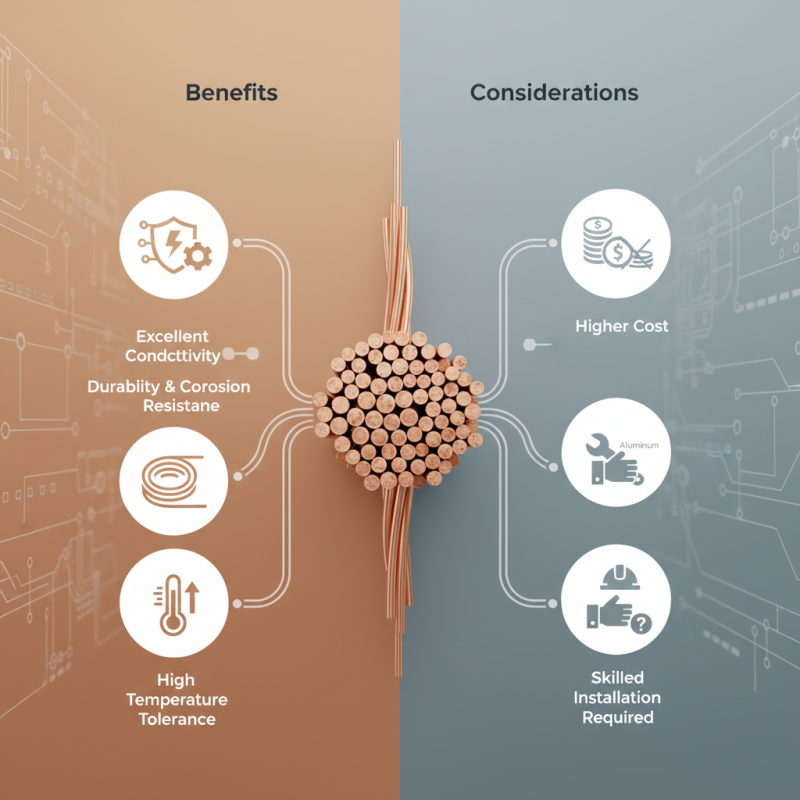
When it comes to wiring needs, choosing the right material is crucial. Copper Wire stands out due to its numerous benefits. This metal has excellent conductivity, ensuring efficient energy transmission. It also offers durability and resistance to corrosion, making it a reliable choice for various applications.

Copper Wire is favored in both residential and industrial settings. Its flexibility allows for easy installation in tight spaces. Many electricians recommend it for its ability to handle high temperatures. The reliability of Copper Wire leads to fewer maintenance issues over time.

However, it’s important to consider the potential downsides. Copper can be more expensive than alternatives like aluminum. Installation requires skilled professionals to avoid common mistakes. Understanding these factors will help you make informed decisions about your wiring needs.
Why Choose Copper Wire for Your Wiring Needs?

Benefits of Copper Wire in Electrical Conductivity and Efficiency

Copper wire is a top choice for electrical wiring due to its excellent conductivity. It has a lower resistivity than other materials, allowing electricity to flow easily. This means that copper wiring can transmit power efficiently over long distances. Homeowners often favor copper due to its reliability and performance.

Another advantage of copper wire is its durability. It can withstand extreme temperatures without losing conductivity. However, improper installation can lead to issues, making professional expertise essential. Additionally, copper is resistant to corrosion, which extends its lifespan. Yet, users must regularly check for wear and tear to maintain optimal performance.

Despite its benefits, the cost of copper can be a concern. It is generally more expensive than aluminum. This leads some to question its value. Nonetheless, the long-term efficiency often compensates for the initial investment. Conductive efficiency is key in any electrical system, making copper the go-to choice for many applications.

Benefits of Copper Wire in Electrical Conductivity and Efficiency

Comparison of Copper Wire vs. Aluminum Wire: Pros and Cons

When considering wiring options, copper and aluminum wires are commonly compared. Each has distinct advantages and disadvantages. Copper wire is known for its excellent conductivity. It can carry electricity more efficiently than aluminum. This means smaller gauge copper wires can be used, saving space in tight installations.

On the other hand, aluminum wire is lighter and often cheaper. It has higher thermal expansion, which can lead to connection issues over time. While copper resists corrosion better, aluminum may require more frequent maintenance. Both materials have their place, but the choice largely depends on specific project needs.

For long-lasting and secure connections, copper tends to be preferable. However, the cost of copper can be a deterrent for larger projects. While it is easy to appreciate copper's benefits, it might not always be the best economic choice. Understanding these intricacies can help you make informed decisions for your wiring needs.

Durability and Longevity of Copper Wiring in Various Environments

Copper wiring has earned its reputation due to its exceptional durability and longevity across various environments. When exposed to diverse conditions, including humidity and extreme temperatures, copper remains resilient. It resists corrosion better than many other materials. This resistance helps maintain reliable electrical connections over time.

Moreover, copper's superior thermal conductivity allows it to handle high power loads without overheating. This characteristic is vital in industrial settings, where equipment often operates under strain. However, despite these benefits, one must also consider the need for proper installation and maintenance. Poor connections can lead to inefficiencies, even in high-quality copper wire.

In residential applications, copper wiring has proven effective for years. Yet, it's crucial to use appropriate shielding in areas with high electromagnetic interference. This consideration can enhance the wiring's performance and improve safety. While copper has its downsides, such as potential theft, its overall reliability in various conditions is unmatched.

Cost-Effectiveness of Copper Wire Over the Lifespan of Electrical Systems

When considering wiring options, copper wire remains a top choice due to its cost-effectiveness over time. A report from the International Copper Association indicates that copper's durability and low resistance can significantly reduce energy losses in electrical systems. Over a 30-year lifespan, using copper can result in savings of up to 20% on energy costs. These savings contribute to a notable overall reduction in operational expenses.

Switching to copper not only minimizes electrical losses but also lowers maintenance costs. Research shows that copper wiring typically requires fewer repairs and replacements compared to alternatives. Reliability is a key factor in electrical systems, and using copper can lead to decreased downtime. However, upfront costs may deter some users. While copper is generally more expensive, its longevity and efficiency often offset this initial investment.

Tips: When choosing wiring materials, consider the long-term costs rather than just the purchase price. Evaluate your specific needs and potential future energy requirements. Investing in quality can yield better performance and savings in the long run. Remember, not all wire types are created equal; research their lifespans and efficiency ratings before making a decision.

Recycling and Sustainability: The Environmental Impact of Copper Wiring

Copper wiring is becoming increasingly popular due to its sustainability benefits. One of the key advantages is its recyclability. Copper can be recycled multiple times without losing its quality. This means that old wires can be repurposed. When copper is recycled, it saves energy and reduces the demand for new mining.

The mining of copper has a significant environmental impact. It often involves habitat destruction and high water usage. By recycling copper, we can minimize these harmful effects. The process of recycling requires less energy than extracting new copper. This helps in reducing greenhouse gas emissions and conserves natural resources.

However, not all copper wiring is recycled properly. Some ends up in landfills, where it can take years to decompose. Society needs to improve recycling programs. Educational initiatives can encourage people to recycle their copper wire. It's essential to create awareness about the positive environmental impact of recycling copper. More effort is needed to make a difference in our environment.

FAQS

: What are the main advantages of copper wire?

: Copper wire has excellent conductivity and can carry electricity efficiently. It also resists corrosion better than aluminum.

Why is aluminum wire considered a viable option?

Aluminum wire is lighter and often more affordable. It can be a good choice in specific applications.

How does the thermal expansion of aluminum affect its use?

Aluminum has higher thermal expansion, which can lead to connection issues over time. Regular maintenance might be necessary.

What happens to copper wire at the end of its life?

Copper wire can be recycled multiple times without losing quality. This reduces the need for new mining.

What is the environmental impact of copper mining?

Copper mining often causes habitat destruction and high water usage. It has a significant negative effect on the environment.

How does recycling copper help the environment?

Recycling copper saves energy and reduces greenhouse gas emissions. It helps conserve natural resources as well.

Are there challenges in recycling copper wire?

Not all copper wire is recycled properly. Some ends up in landfills, where it takes years to decompose.

What can society do to improve copper recycling rates?

Educational initiatives can raise awareness about the positive impact of recycling. More programs are needed to encourage proper disposal.

What should be considered when choosing between copper and aluminum?

The choice depends on project needs, cost, and long-term maintenance. Each material has its place in wiring applications.

Is copper wire always the best choice economically?

While copper offers benefits, it may not be the best economic choice for larger projects. Costs can be a deterrent.

Conclusion

Copper wire is widely recognized for its superior electrical conductivity and efficiency, making it a preferred choice for various wiring needs. Compared to aluminum wire, copper wire offers several advantages, including higher conductivity and better performance in high-temperature environments. Its durability ensures longevity, helping it withstand diverse conditions without significant degradation.

In terms of cost-effectiveness, while copper wire may have a higher initial cost, its longevity and reduced maintenance needs make it more economical over the lifespan of electrical systems. Additionally, copper wiring is recyclable, contributing positively to sustainability efforts and reducing its environmental impact. Overall, the benefits of copper wire make it a smart investment for reliable and efficient electrical solutions.


Aria

Aria

Aria is a dedicated marketing professional with a deep passion for innovative strategies and a keen understanding of our company's product offerings. With a wealth of experience in the industry, Aria excels at crafting engaging content that highlights the unique features and benefits of our......