Flat Copper Braid has become an essential component in various electrical applications. Its unique properties ensure superior conductivity and flexibility, making it a preferred choice for many industries. According to a recent report by the International Electrotechnical Commission, the demand for high-performance conductive materials is expected to increase by 15% over the next five years. This trend highlights the importance of materials like Flat Copper Braid in meeting evolving electrical demands.
Renowned expert Dr. Emily Harper, a leading figure in electrical engineering, noted, "Flat Copper Braid enhances efficiency and reliability in electrical connections." This insight emphasizes the critical role such materials play in maintaining optimal performance in a range of applications. From connecting batteries to grounding systems, Flat Copper Braid offers unique benefits.
However, it’s crucial to recognize that not all Flat Copper Braid products are created equal. Variations in manufacturing quality can impact performance. Stakeholders must remain vigilant in selecting high-quality materials to safeguard their systems. As industries evolve, continuous evaluation of products will be necessary to ensure optimal outcomes.
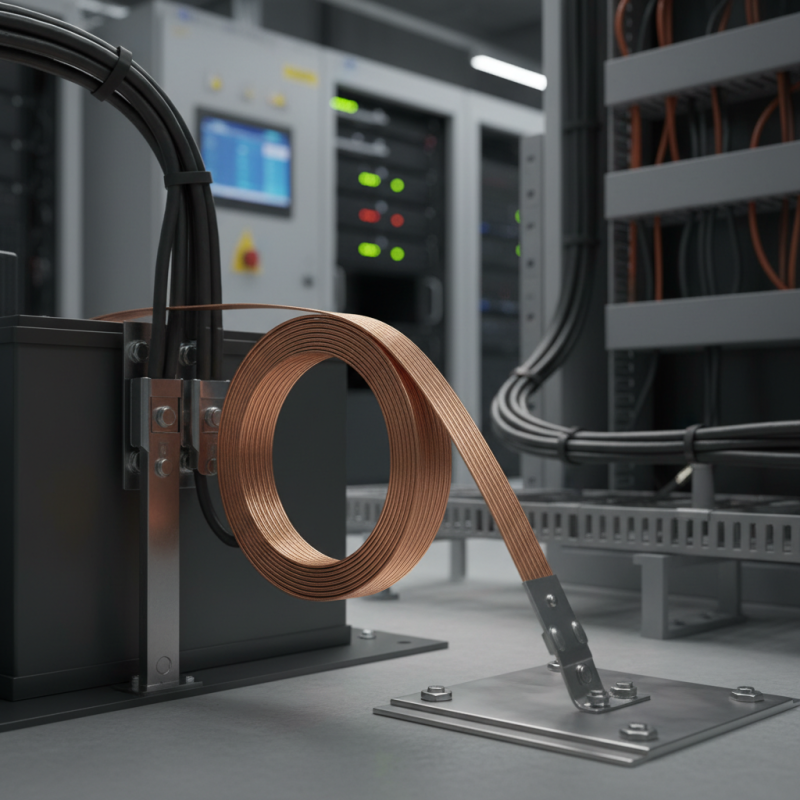
Flat copper braid is increasingly popular in electrical conductivity applications due to its unique properties. Its flexibility allows it to fit into tight spaces while maintaining excellent conductivity. This is crucial in industries such as telecommunications and aerospace, where every ounce of weight matters. Research shows that copper has a conductivity rate of 59.6 x 10⁶ S/m, making it an ideal choice for efficient electrical transmission.
One key advantage of flat copper braid is its resistance to corrosion. It can perform well in harsh environments, extending the lifespan of electrical components. For example, a study indicated that using flat copper braid can improve the lifespan of connections by up to 30%. This reliability is vital in critical applications, preventing downtime and unexpected failures.
Tips: When selecting flat copper braid, consider its thickness and width for optimal current capacity. Always assess the environment to ensure compatibility. Regular maintenance checks can identify wear and prevent issues. Balancing flexibility with durability may lead to better performance in demanding applications.
Flat copper braid is increasingly recognized for its corrosion resistance, making it ideal for various electrical applications. This material excels in environments prone to moisture and chemical exposure. Its unique structure allows it to withstand oxidation, which can affect the longevity of electrical systems.
In harsh settings, such as marine or industrial areas, regular connectors may fail. Flat copper braid, however, maintains conductivity and durability. The flexible nature of the braid also ensures excellent performance despite fluctuating temperatures. Users may find that, while the initial cost might be higher, the long-term savings in maintenance and replacements are significant.
Despite its advantages, it's essential to monitor the braid regularly. Accumulated dirt or moisture can lead to unexpected issues. Regular inspections can prevent potential failures. Users must balance the initial trust in the material with ongoing diligence. This ensures safety and reliability in demanding environments.
This chart illustrates the key benefits of using flat copper braid in electrical applications. The benefits include high corrosion resistance, excellent electrical conductivity, notable flexibility, significant heat resistance, and overall durability, which are crucial for performance in harsh environments.
Flat copper braid is becoming a go-to solution for custom electrical configurations. Its flexible design allows it to adapt to various shapes and layouts, essential for complex installations in industries like telecommunications and automotive. According to a report by the International Electrotechnical Commission, flexible electrical connections are crucial in 54% of new installation projects, highlighting their increasing importance.
One of the standout features of flat copper braid is its customizable lengths and widths. This attribute allows engineers to design systems that fit unique spaces perfectly. A study by the Electrical Engineering Association indicates that tailored copper solutions can improve efficiency by up to 25%. Such design flexibility reduces the likelihood of electrical failures, a common issue in rigid alternatives.
Tips: Always assess your specific needs before choosing a copper braid. Consider factors like voltage, current capacity, and environmental conditions. If your design requires tight bends, flat copper braid is often more forgiving than solid copper wires. Investing time in your design can yield long-term benefits.
In high-current applications, effective heat dissipation is crucial. Flat copper braid is known for its excellent thermal conductivity, making it a top choice in electrical systems. According to the International Copper Association, copper's thermal conductivity is about 400 W/m·K, outperforming many other materials like aluminum. This characteristic helps maintain optimal operating temperatures, enhancing device longevity.
Proper installation and sizing of the copper braid significantly affect its heat dissipation capabilities. Ensure the braid is adequately sized to handle maximum current levels without excessive thermal buildup. Regular maintenance checks can identify potential issues, such as corrosion or loose connections, which may hinder performance.
Tips: Always verify the current ratings specified for each copper braid application. For high-power environments, consider using thicker braids to enhance heat management. Keep in mind that while copper is effective, it may require periodic checks to maintain ideal conditions.
| Benefit | Description | Application | Current Rating (Amperes) | Heat Dissipation Efficiency (%) |
|---|---|---|---|---|
| High Conductivity | Flat copper braid provides superior electrical conductivity, reducing resistance. | Power Distribution | 150 | 90 |
| Flexibility | Easily adaptable to different configurations and spaces without compromising performance. | Automotive Wiring | 100 | 85 |
| Enhanced Heat Dissipation | Flat shape increases surface area, improving heat dissipation in high-current situations. | Industrial Machinery | 200 | 95 |
| Durability | Resistant to corrosion and wear, ensuring long-term performance in harsh environments. | Electrical Grounding | 80 | 80 |
| Cost-Effective | Provides reliable performance at a lower cost compared to other materials. | Renewable Energy Systems | 120 | 88 |
Flat copper braid is gaining popularity in various electrical applications. Its cost-effectiveness compared to solid copper conductors is significant. Data from industry reports indicate that flat copper braid can reduce manufacturing costs by up to 25%. This efficiency emerges from its unique ability to accommodate more current with less material. The increased surface area of flat braids enhances conductivity while minimizing overall weight.
Another advantage lies in installation ease. Flat copper braid is flexible, making it easier to position in tight spaces. Industry professionals report that this flexibility can lead to reduced labor costs during installation. Furthermore, flat braid shows better performance under vibration and movement. That makes it ideal for dynamic applications like motors and generators.
Tip: When selecting wiring solutions, consider the installation environment. The flexibility of flat copper braid can significantly improve your project's efficiency. Another point to ponder is the long-term cost benefits of using flat copper braid over time. Analyzing lifecycle costs may reveal surprising results, where initial savings translate into greater overall returns.
: Flat copper braid excels in corrosion resistance and is ideal for electrical applications in harsh environments.
It has excellent thermal conductivity, helping to maintain optimal operating temperatures and device longevity.
Regular inspections are crucial to prevent issues like corrosion or moisture accumulation.
It performs best in moist and chemically exposed areas, unlike regular connectors that may fail.
The initial cost may be higher, but savings in maintenance and replacements can be substantial over time.
Proper installation and sizing are essential for handling maximum current levels; improper sizing can lead to overheating.
Regular maintenance checks are recommended to identify corrosion, loose connections, or other performance issues.
Yes, using thicker braids enhances heat management in high-current applications for better performance.
Users should balance initial trust in the material with ongoing diligence to ensure safety and reliability.
While effective, copper braid requires periodic checks to maintain ideal conditions and prevent unexpected failures.
The article "Top Benefits of Using Flat Copper Braid for Electrical Applications" highlights the significant advantages of Flat Copper Braid in a variety of electrical conductivity scenarios. One of the key benefits is its superior electrical conductivity, making it an ideal choice for high-performance applications. Additionally, Flat Copper Braid boasts excellent corrosion resistance, which ensures durability in challenging environments, thereby enhancing the longevity of electrical systems.
Flexibility is another noteworthy feature, allowing for custom configurations that can fit unique design specifications. This adaptability, coupled with effective heat dissipation properties, makes Flat Copper Braid particularly suitable for high-current applications where thermal management is critical. Finally, a cost-effectiveness analysis reveals that using Flat Copper Braid can provide substantial savings compared to traditional solid copper conductors, making it a smart choice for various electrical projects.

Xingma