Soft Copper Braid has gained significant traction among global buyers. Its unique properties make it a sought-after material in various applications. With excellent conductivity and flexibility, it serves multiple industries, including electronics and automotive sectors.
Many buyers appreciate its weight-to-strength ratio. This advantage allows for lighter designs without compromising durability. Additionally, Soft Copper Braid is resistant to corrosion, enhancing its lifespan. These qualities establish it as a reliable choice for manufacturers aiming for quality.
Despite its benefits, buyers should consider the sourcing of this material. Not all suppliers offer the same quality. Ensuring reliability in sourcing can be challenging. It's crucial to partner with experienced vendors to uphold product standards. Attention to detail in the procurement process can mitigate potential issues, ensuring an optimal supply chain.
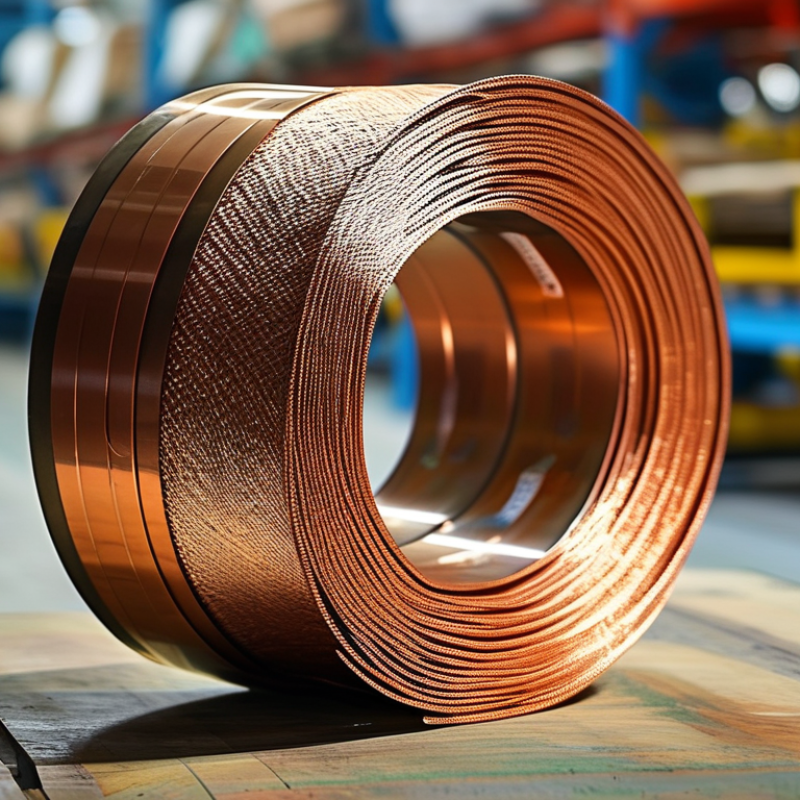
Soft copper braid is becoming a favored choice for electrical applications. Its unique properties allow for excellent conductivity and flexibility, making it ideal for various uses in the industry. The braid can easily conform to different shapes and surfaces, reducing stress on connected components. This flexibility also makes installation simpler and faster, which is a significant advantage.
One benefit of soft copper braid is its ability to absorb vibrations. This characteristic helps in maintaining stable connections, particularly in machinery where movement is constant. Additionally, the copper's natural conductivity ensures minimal energy loss, enhancing overall efficiency. In high-frequency applications, the soft copper braid reduces signal degradation, allowing for better performance.
Tips: When selecting soft copper braid, consider the wire gauge and strand count. Thicker braids may offer more durability but less flexibility. It’s essential to align the choice with specific application requirements. Additionally, always inspect for any signs of wear or damage during regular maintenance. Ignoring these checks can lead to performance issues down the line, often when it is least expected.
| Benefit | Description | Application |
|---|---|---|
| High Flexibility | Soft copper braid is highly flexible, allowing for easy installation in tight spaces. | Electrical connections, grounding |
| Excellent Conductivity | Offers superior electrical conductivity, ensuring optimal performance. | Wiring, signal transmission |
| Corrosion Resistance | Resistant to oxidation and corrosion, extending product lifespan. | Outdoor applications, marine environments |
| Cost-Effective | Provides a cost-effective solution compared to other materials. | General electrical systems |
| Versatile Applications | Can be used in a variety of electrical applications, thanks to its properties. | Automotive, telecommunications |
: Soft copper braid is primarily used for electrical applications due to its excellent conductivity and flexibility.
Its flexibility allows it to conform to different shapes, reducing stress on components during installation and operation.
It absorbs vibrations well, helping maintain stable connections in machinery with constant movement and reducing damage risk.
Corrosion resistance extends the lifespan of connections, especially in harsh environments, ensuring reliable performance over time.
Buyers should evaluate wire gauge, strand count, and specific application requirements for optimal performance and flexibility.
Regular monitoring and proper installation can help prevent overheating, which could compromise the braid's integrity.
It reduces production costs by approximately 20% and has a lower failure rate compared to traditional wiring methods.
Quality certifications can vary, and understanding manufacturing practices helps ensure reliable sourcing and performance.
Its lightweight nature contributes to lower shipping costs, making it a cost-effective choice in supply chains.
Users must handle it carefully to maintain integrity, and overlooking wear can lead to unexpected performance issues.
Soft Copper Braid offers numerous benefits for global buyers, particularly in electrical applications where flexibility and conductivity are paramount. The material is highly advantageous for creating flexible connections, ensuring reliable performance while minimizing the risk of breakage or fatigue over time. Cost-effectiveness is another significant appeal of Soft Copper Braid, as its efficient manufacturing and long-lasting properties contribute to lower overall operational costs for businesses.
Moreover, the durability and longevity of Soft Copper Braid in various environments make it an excellent choice across different industries, such as telecommunications, automotive, and renewable energy. Its versatility allows it to adapt to diverse applications, enhancing performance and reliability in challenging conditions. Overall, Soft Copper Braid stands out as a superior option for those seeking quality and efficiency in their electrical connection solutions.

 Xingma