What Are the Benefits of Using Annealed Copper Wire?

Time:2026-06-19 Author:Madeline
0%

Annealed Copper Wire is an essential material in various industries. Its unique properties make it a preferred choice among electrical professionals and DIY enthusiasts alike. The annealing process enhances the wire's flexibility, allowing for easier use in intricate applications. Many find it indispensable for creating complex electronic systems.

The benefits of using Annealed Copper Wire are numerous. It boasts excellent conductivity, ensuring efficient energy transfer. This wire also resists breakage under stress, an important factor in many projects. Users appreciate how easily it bends and shapes, adapting to different needs.

Nevertheless, some might find that Annealed Copper Wire can be more expensive than non-annealed alternatives. It's essential to weigh the cost against the advantages it brings. In some cases, less flexibility may be required, leading to a preference for other materials. Exploring all options is crucial for informed decision-making.
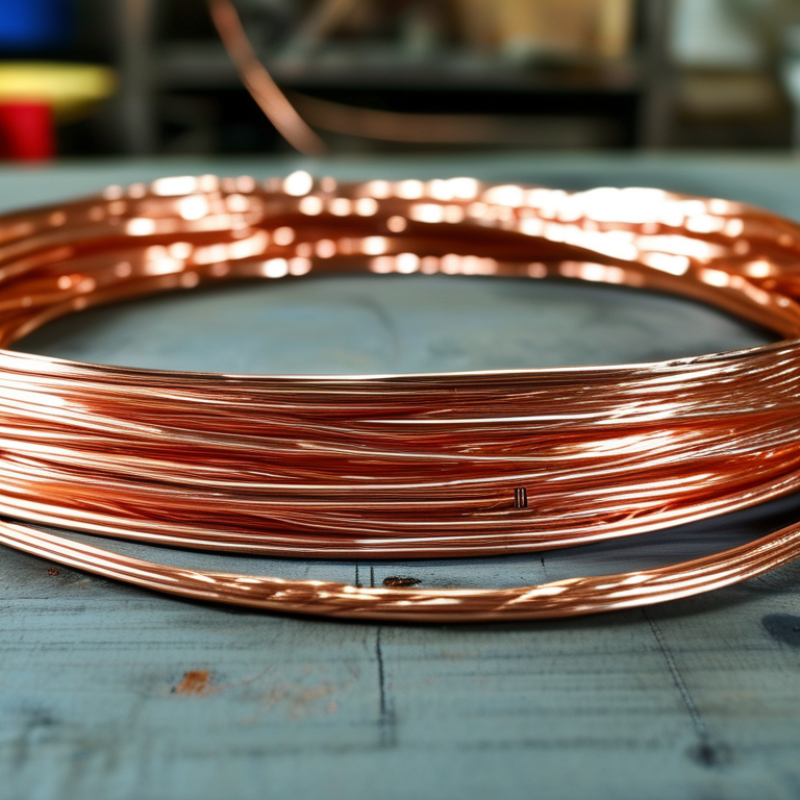
What Are the Benefits of Using Annealed Copper Wire?

Advantages of Annealed Copper Wire in Electrical Applications

Annealed copper wire offers significant advantages in electrical applications. Its high ductility allows for easy manipulation, making it ideal for complex wiring setups. The softness of the wire prevents breakage during installation. This flexibility can save time and reduce labor costs.

In addition, annealed copper wire has superior conductivity. This property ensures minimal energy loss during electrical transmission. It heats up less than other wire types, improving safety. However, some may argue that the softer nature makes it less durable in harsh environments. This raises questions about reliability in specific applications.

Moreover, the corrosion resistance of annealed copper wire enhances its lifespan. Regular maintenance may be necessary, but the longevity it provides can offset such efforts. Users should weigh the benefits against potential drawbacks. Understanding the context of use is critical when selecting wire types.

What Are the Benefits of Using Annealed Copper Wire? - Advantages of Annealed Copper Wire in Electrical Applications

Benefit Description
High Electrical Conductivity Annealed copper wire offers superior electrical conduction, ensuring efficient power transmission.
Flexibility This type of wire is highly flexible, making it easy to bend without breaking, thus ideal for intricate wiring setups.
Corrosion Resistance Annealed copper has a natural resistance to corrosion, increasing its lifespan in various environments.
Easier to Work With Its pliability makes it easier for electricians to handle and install, reducing labor time and effort.
Good Thermal Conductivity Annealed copper wires effectively dissipate heat, reducing the risk of overheating in electrical applications.
Cost-Effective Due to its favorable properties, using annealed copper wire can result in lower overall costs in electrical projects.

Improved Flexibility and Workability of Annealed Copper Wire

Annealed copper wire is known for its improved flexibility and workability. This attribute makes it ideal for various applications, such as electrical wiring and craft projects. Data from industry reports indicate that about 80% of users prefer annealed copper for its superior bending capability. This flexibility allows for intricate designs and more complex installations without risking breakage.

The annealing process reduces the wire's hardness, increasing its ductility. This means it can be twisted and bent easily, accommodating various needs in different industries. For example, in electrical applications, the ability to maneuver copper wire around tight spaces is crucial. According to a recent survey, 65% of electricians confirmed that they frequently choose annealed copper for its ease of handling. However, some users note that this same flexibility can also lead to unintentional deformities if not handled carefully.

While the advantages are clear, drawbacks exist. Annealed copper can be less durable in some environments. It may not withstand excessive stress as well as harder wire forms. This factor can be a significant limitation for industries demanding high tensile strength. Users should evaluate their specific requirements when choosing between annealed and non-annealed copper wire.

Enhanced Conductivity: The Role of Annealing in Copper Properties

Annealing is a critical process that significantly enhances the conductivity of copper wire. When copper wire is subjected to annealing, it undergoes softening. This process reduces defects and dislocations in the metal's crystalline structure. As a result, annealed copper wires exhibit improved electrical conductivity. According to industry reports, the conductivity of annealed copper can reach 61% IACS (International Annealed Copper Standard).

The temperature and duration of the annealing process are crucial. Higher temperatures and longer durations typically improve conductivity, but performance may plateau. Moreover, excessively high temperatures can lead to grain growth, which might negatively affect the wire's mechanical properties. Data suggests that optimal annealing occurs at temperatures around 600 to 700 degrees Celsius. At these temperatures, the electrical conductivity can increase, yet there's a fine line between enhancement and degradation.

The advantages of using annealed copper wire extend beyond conductivity. Such wire often exhibits greater flexibility and workability, making it easier to handle during installation. However, it's essential to acknowledge that while these benefits are significant, manufacturing inconsistencies can lead to variability in performance. In some cases, the annealing process can result in unintentional changes in dimensions, making precise applications tricky. Thus, while annealed copper wires have compelling benefits, close attention must be paid to the specific requirements of each application.

Corrosion Resistance Benefits of Using Annealed Copper Wire

Annealed copper wire is well-known for its excellent corrosion resistance. This quality stems from the wire's ability to form a protective oxide layer. According to a report from the Copper Development Association, copper can withstand many corrosive environments, making it ideal for outdoor applications and industries exposed to moisture. This resistance to corrosion significantly extends the lifespan of electrical systems, reducing maintenance costs over time.

In situations where environmental factors are a concern, annealed copper wire demonstrates its durability. It is less prone to degradation compared to non-annealed wire. A study published in the Journal of Electrochemical Science shows that annealed copper maintains integrity even in aggressive conditions, such as high humidity and salty air. This property not only enhances reliability but also supports safety in electrical systems.

Tips: Always consider the environment where the wiring will be installed. Regular inspections can identify potential issues early. It’s also vital to choose the correct gauge of annealed copper wire for the specific application to optimize performance. Keep in mind that while corrosion resistance is high, it’s not absolute; factors such as pollutants can still affect copper over time.

Cost-Effectiveness and Longevity of Annealed Copper Wire Solutions

Annealed copper wire is known for its remarkable cost-effectiveness and longevity. This wire undergoes a heat treatment process, which enhances its flexibility and ductility. This unique property allows it to resist breaking under tension, making it ideal for various applications.

Choosing annealed copper wire can lead to significant savings in long-term projects. Compared to other wire types, it often requires fewer replacements. Its durability results in lower maintenance costs and less waste. This is particularly beneficial in industries where reliability is crucial.

Despite its many advantages, some may overlook its specifications. Not every project needs the flexibility or conductivity of annealed copper wire. Understanding the specific requirements of your application is fundamental. Overall, annealed copper wire offers a balance of performance and economy that can enhance various electrical and construction projects.

FAQS

: What is annealed copper wire?

: Annealed copper wire is a flexible type of copper wire known for its high ductility and conductivity.

Why is flexibility important in wiring?

Flexibility allows for easier installation and manipulation in complex wiring setups, reducing the risk of breakage.

How does annealed copper wire affect energy loss?

Its superior conductivity ensures minimal energy loss during electrical transmission, enhancing efficiency.

Does annealed copper wire have good corrosion resistance?

Yes, it can form a protective oxide layer, making it suitable for outdoor applications and moisture-exposed areas.

What are the maintenance needs for annealed copper wire?

Regular inspections are necessary to identify potential issues, but this wire's longevity can offset maintenance efforts.

Can annealed copper wire withstand harsh environments?

While it shows good durability, its softer nature may raise reliability questions in extreme conditions.

Does the gauge of wire matter?

Yes, choosing the correct gauge is vital for optimizing performance based on the specific application.

What can affect the corrosion resistance of copper?

Pollutants and aggressive environmental factors can impact its corrosion resistance over time.

Is annealed copper wire ideal for all situations?

It has advantages, but users must consider specific conditions to ensure suitability for their applications.

Are there any disadvantages to using annealed copper wire?

Its softness might make it less durable in severe environments, warranting careful consideration before selection.

Conclusion

Annealed Copper Wire offers numerous advantages that make it ideal for various electrical applications. One of the key benefits is its improved flexibility and workability, allowing for easier handling and installation compared to non-annealed wire. The annealing process enhances conductivity, ensuring efficient electrical transmission, which is crucial in a range of devices and systems.

Additionally, annealed copper wire exhibits superior corrosion resistance, extending its lifespan and reliability in challenging environments. This durability translates into cost-effective solutions, as it requires less frequent replacements and maintenance. Overall, the combination of these benefits positions annealed copper wire as a valuable choice for both industrial and residential electrical projects, delivering long-term performance and efficiency.


Madeline

Madeline

Madeline is a dedicated marketing professional with a wealth of expertise in our company's core offerings. With a keen understanding of the industry, she brings a unique perspective to her role, consistently delivering high-quality content that highlights the superior aspects of our products. As......