In the realm of Copper Braid Welding, expertise is key. John Thompson, a renowned welding specialist, emphasizes, “Precision and technique define successful copper braid joints.” As global buyers seek the best welding practices for copper braids, understanding advanced techniques becomes essential.
This welding method is crucial for various industries, from electronics to automotive. Buyers must be aware of the specific skills required for effective copper braid applications. Mastery of the appropriate techniques can lead to enhanced product longevity and efficiency.
However, challenges exist in achieving the desired results. Many welders face difficulties in maintaining consistent quality. The learning curve can be steep, and not all methods suit every application. Therefore, reflecting on and adapting welding strategies is vital for success in the Copper Braid Welding industry.
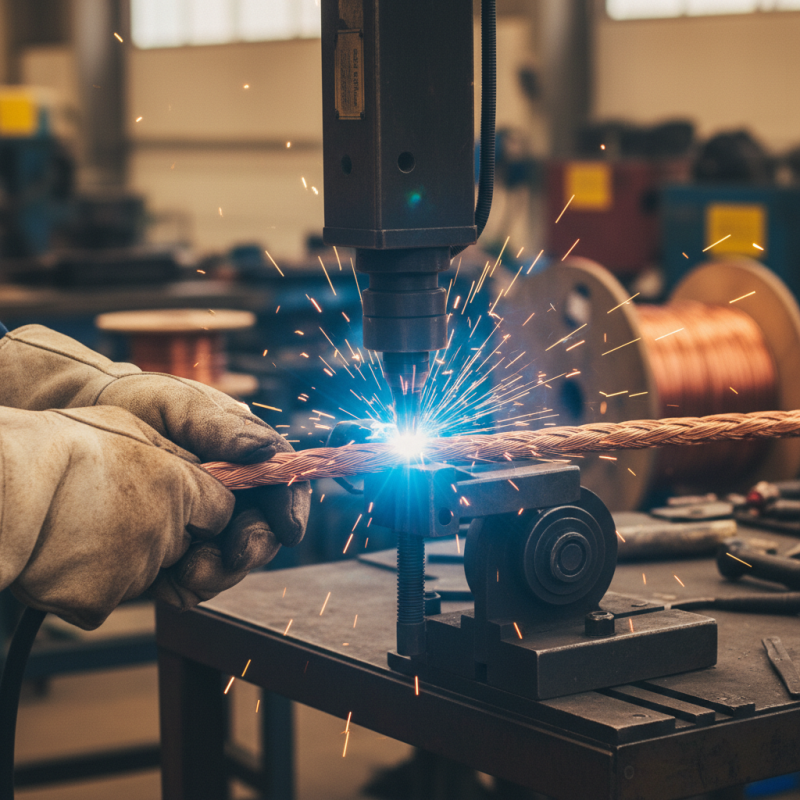
In 2026, copper braid welding will evolve, adapting to new technologies and buyer demands. The push for sustainability drives innovations in materials and processes. Companies are investing in eco-friendly options that reduce waste and improve efficiency. These changes reflect a growing concern for the environment among global buyers.
Techniques like laser welding are gaining traction. This method allows for precision and speed, catering to high-quality requirements. However, it requires a skilled workforce, and training programs are crucial. Companies often face challenges in implementing such advanced techniques. The complexity of equipment might deter smaller businesses from adopting them.
Additionally, remote monitoring technology enhances quality control. Real-time data analytics support decision-making and improve consistency in welding outcomes. Yet, integrating these technologies can be overwhelming. Companies must assess their readiness and invest wisely. Balancing innovation with practical implementation will be key for buyers navigating the 2026 landscape.
The demand for copper braid welding materials is growing globally. A recent industry report indicates a projected compound annual growth rate (CAGR) of 4.1% from 2022 to 2026. This growth stems from the increasing applications in various sectors, particularly in automotive and electronics industries. Copper braid is known for its excellent electrical conductivity and flexibility, vital for modern manufacturing.
However, buyers should note the challenges in this market. Variability in copper prices can affect supply and manufacturing costs. Sustainable sourcing of copper is becoming essential as industries shift toward eco-friendly practices. Ignoring this aspect could lead to supply chain disruptions and higher costs.
Tips: Always assess the supplier's reliability. Look for suppliers who can provide transparent sourcing information. It’s important to understand the specifications of materials before purchasing. Proper evaluations can save significant costs over time. Seek connections with industry experts for better insights into market trends. Balancing cost with quality should guide your purchasing choices.
Copper braid welding is a critical process in various manufacturing sectors. This technique requires precision and skill to ensure optimal results. Understanding the key manufacturing processes can significantly enhance the efficiency of copper braid welding.
The welding process typically involves several stages. Pre-welding preparation is essential. This includes cleaning the surfaces to ensure strong adhesion. Additionally, selecting the right filler material plays a crucial role. Improper choices can lead to weak joints, so expertise in material selection is vital.
During the actual welding phase, controlling the heat input is crucial. Excessive heat can damage the copper braid, while too little can create weak spots. Observing the weld pool can provide real-time feedback, helping operators adjust as needed.
Although achieving perfect welds is the goal, imperfections can occur. Acknowledging and learning from these inconsistencies is key to continuous improvement.
Copper braid welding has seen considerable advancements, enhancing both quality and efficiency in recent years. New techniques now allow for precise control over heat and speed. This results in stronger, more reliable welds. The integration of automated systems has significantly reduced human error. With better consistency in weld depth, manufacturers can expect fewer defects.
Innovative technologies like laser welding and advanced robotic arms are transforming the industry. These technologies streamline production. They not only save time but also reduce material waste. However, adopting these innovations comes with challenges. Not all workers are trained in these new methods. This knowledge gap can lead to miscommunication and suboptimal results.
The emphasis on proper training and continuous improvement is essential. Companies must invest in upskilling their workforce. Without this investment, the potential benefits of advanced technologies may not be fully realized. Therefore, addressing these shortcomings will drive better practices in copper braid welding. Continuous adaptation is key in a fast-evolving industry.
| Technique | Efficiency (%) | Quality Rating (1-10) | Cost ($ per meter) | Application Areas |
|---|---|---|---|---|
| Pulse TIG Welding | 85% | 9 | 3.50 | Electronics, Automotive |
| MIG Welding with Aluminum Filler | 90% | 8 | 2.75 | Construction, Transport |
| Laser Welding | 92% | 10 | 5.00 | Aerospace, Medical |
| Resistance Spot Welding | 80% | 7 | 1.95 | Manufacturing, Automotive |
| Submerged Arc Welding | 88% | 8 | 4.20 | Shipbuilding, Heavy Industries |
Quality control standards for copper braid welds are crucial for safety and performance. According to industry reports, nearly 30% of welding failures stem from inadequate quality control. This highlights the need for robust testing methods throughout the welding process.
Several testing techniques exist, including visual inspection and ultrasonic testing. Visual inspections help to detect surface flaws. Ultrasonic testing is beneficial for identifying internal defects. Industry guidelines recommend these methods to ensure weld integrity meets specified standards. Recently, studies indicated a 15% increase in quality assurance when combining these testing methods.
Moreover, common pitfalls emerge even with rigorous testing protocols. Operators may overlook minute defects, leading to significant issues later. Training and continued education for welders are essential. Reliable data shows that organizations investing in training see a 20% reduction in welding defects. This signifies the value of experience in achieving high-quality welds.
: The market is expected to grow at a CAGR of 4.1% from 2022 to 2026.
Copper braid offers excellent electrical conductivity and flexibility, making it essential for automotive and electronics industries.
Buyers must deal with fluctuating copper prices and the need for sustainable sourcing practices.
Suppliers should offer transparent sourcing information to build trust and ensure consistent quality.
Cleaning surfaces before welding ensures a strong adhesion, which is crucial for quality outcomes.
Choosing the right filler material prevents weak joints, avoiding costly rework and failures.
Observing the weld pool allows operators to adjust heat input in real-time for better results.
A balance between cost and quality should guide decisions for effective procurement.
Acknowledging imperfections helps in learning and improving future welding processes.
Connecting with experts offers valuable insights into market trends and better purchasing strategies.
The article titled "2026 Best Copper Braid Welding Techniques for Global Buyers" delves into the evolving landscape of Copper Braid Welding, highlighting key trends and innovations that are shaping the industry. It explores the global market dynamics of copper braid welding materials and their various applications, providing insights into how buyers can navigate this crucial segment. The piece also details essential manufacturing processes that enhance efficiency in welding practices, alongside innovative technologies that improve the quality and effectiveness of copper braid welds.
Furthermore, the article emphasizes the importance of quality control standards and testing methods, which are vital for ensuring the integrity and reliability of copper braid welds in diverse applications. As the industry moves toward 2026, it is crucial for global buyers to stay informed about these advancements, ensuring they leverage the best practices in Copper Braid Welding to achieve optimal results.

Xingma