In the pursuit of optimal electrical conductivity, Dead Soft Copper Wire stands out as a top choice. According to Dr. Emily Thompson, a leading expert in electrical engineering, “The flexibility and conductivity of Dead Soft Copper Wire make it unparalleled for various applications.” This wire, known for its exceptional malleability, often finds use in intricate electronic designs.
Dead Soft Copper Wire is significant in many areas, including audio, telecommunications, and automotive industries. Its low resistance contributes to improved performance in electrical systems. Moreover, the choice of wire gauge affects overall efficiency. However, choosing the wrong type of wire can lead to performance issues.
While Dead Soft Copper Wire is not perfect for every situation, it excels in scenarios requiring flexibility and reliability. Users must weigh their options carefully to avoid potential pitfalls. Understanding the specific application helps in making informed decisions. Ultimately, the right choice of wire ensures reliability and efficiency in any electrical project.
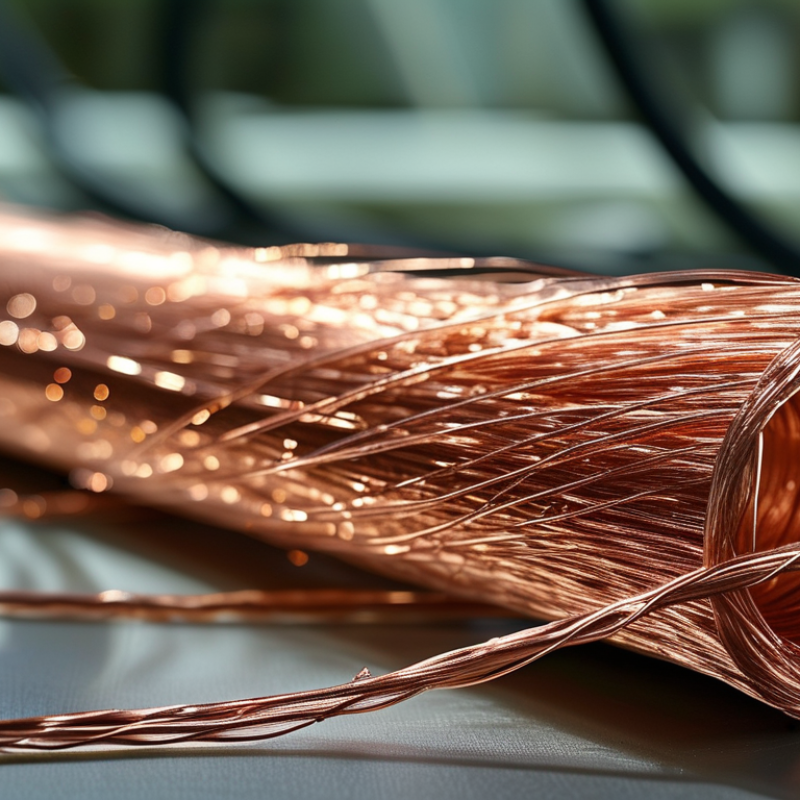
Types of Dead Soft Copper Wire Available for Electrical Applications
Dead soft copper wire is a popular choice in electrical applications due to its excellent conductivity. Different types of dead soft copper wire cater to various needs. For instance, enameled copper wire offers insulation, making it suitable for winding in transformers. This coating protects the wire from short circuits and corrosion.
Another type is bare dead soft copper wire. It's ideal for applications requiring a direct electrical connection. This wire is often used in grounding systems. It has high flexibility and malleability, allowing it to conform to different shapes easily. While these wires are effective, one must consider their exposure to elements. Corrosion can compromise performance over time.
Stranded copper wire is also available and offers enhanced flexibility. This type is commonly used in situations where bending is frequent. However, it may not conduct as efficiently as solid wire under certain conditions. Each type has its strengths and weaknesses. Evaluating your specific application is essential before making a choice. Be mindful of the environment in which the wire will be used.
Factors Affecting Electrical Conductivity in Copper Wire
Electrical conductivity in copper wire is influenced by several factors. The purity of the copper plays a crucial role. High purity copper, typically over 99.9%, offers optimal conductivity, allowing electrons to flow freely. Reports from the International Copper Association indicate that impurity levels can significantly impede electrical performance. Even small amounts of contaminants can increase resistance.
Wire diameter also affects conductivity. Thicker wires allow more current to pass without excessive resistance. According to data from the Institute of Electrical and Electronics Engineers (IEEE), smaller gauge wires are less efficient for high-power applications. However, thinner wires are lighter and easier to manipulate in tight spaces. Balancing these factors is essential for optimal performance.
Additionally, the temperature at which copper wire operates impacts conductivity. Higher temperatures can lead to increased resistance, reducing efficiency. Research shows that every 1°C rise in temperature can increase resistance by roughly 0.4%. Proper thermal management is necessary, especially in high-load situations. Understanding these factors helps engineers in making informed decisions, yet challenges remain in perfecting wire design and material use for diverse applications.
Best Dead Soft Copper Wire for Optimal Electrical Conductivity
Comparison of Dead Soft Copper Wire with Other Wire Types
When comparing dead soft copper wire with other wire types, the focus often shifts to conductivity. Dead soft copper has the highest electrical conductivity of all metals, typically around 100% IACS (International Annealed Copper Standard). This is crucial in applications where efficiency matters. In contrast, other materials, like aluminum, have roughly 61% IACS. This significant difference indicates that dead soft copper wires can carry more current with less heat generation.
Flexibility is another major advantage of dead soft copper wire. Its malleability allows it to bend easily without breaking. This property makes it suitable for complex installations and tight spaces. In contrast, harder wire types can be more challenging to work with and may crack under stress. According to industry reports, using dead soft copper wire reduces the risk of failure in high-stress environments, increasing overall system reliability.
However, the softness of the wire does come with some limitations. Dead soft copper is more susceptible to physical damage. The risk of deformation exists in high-traffic areas. While its conductivity is unmatched, the trade-off involves potential durability issues. This highlights the importance of selecting the right wire type based on specific application needs, balancing conductivity with durability and flexibility.
Applications of Dead Soft Copper Wire in Electrical Systems
Dead soft copper wire is highly valued in electrical systems for its excellent conductivity and malleability. These properties allow the wire to be easily formed into various shapes while ensuring maximum current flow. Its flexibility makes it ideal for applications where space is tight and intricate designs are necessary. For instance, it is often utilized in complex circuit boards and intricate wiring harnesses found in automobiles.
In addition to circuit boards, dead soft copper wire plays a crucial role in audio equipment and electromagnetic coils. The soft copper allows for high-quality sound transmission and improves the performance of speakers and microphones. Furthermore, its application in transformers and inductors enhances energy efficiency. These systems benefit from the wire's low resistance and thermal conductivity.
However, using dead soft copper wire comes with challenges. It is more prone to damage and requires careful handling. Additionally, in some cases, it may not provide the same structural strength as harder variants, raising questions about its long-term durability. Therefore, engineers must balance the benefits of conductivity with the potential need for reinforcement in certain designs.
Best Dead Soft Copper Wire for Optimal Electrical Conductivity
| Diameter (AWG) |
Resistance per 1000 ft (Ohms) |
Current Carrying Capacity (A) |
Applications |
| 30 |
0.103 |
0.5 |
Low-power circuits, signal wiring |
| 26 |
0.049 |
1.5 |
Windings, instrument wiring |
| 22 |
0.0203 |
7 |
Transformers, power circuits |
| 18 |
0.00639 |
10 |
Heavy equipment, automotive wiring |
| 14 |
0.00252 |
15 |
Motor connections, high-current applications |
Maintenance and Storage Tips for Optimal Performance of Copper Wire
When it comes to copper wire, maintenance is crucial for ensuring optimal performance. Store copper wire in a clean, dry place to prevent corrosion. Humidity can lead to oxidation, which decreases conductivity. Using desiccants can help keep moisture at bay. Avoid leaving wires exposed to elements. Tightly wound coils can create kinks or damage the wire over time.
Regular checks are essential. Inspect wires for any signs of wear or damage. A small cut might not seem significant but can affect performance. Clean the wire periodically to remove any dirt or oxidation. Use a soft cloth and a solution that won’t harm the metal. This attention to detail can prolong the life of your wire. It's easy to overlook minor issues, but they can lead to bigger problems later on.
Proper handling is another key aspect. When working with copper wire, use gloves to avoid oil transfer from hands. This oil can attract contaminants and reduce conductivity. Be mindful of the tension applied when pulling the wire. Too much stress can lead to breakage. Taking these precautions can yield better performance in your electrical applications.
Conclusion
Dead Soft Copper Wire is renowned for its exceptional electrical conductivity, making it a preferred choice in various electrical applications. This type of wire differs from others in its flexibility and malleability, allowing for easier handling and installation. The article discusses the various types of Dead Soft Copper Wire available, along with the factors that influence its electrical conductivity, such as purity and cross-sectional area.
Additionally, the advantage of Dead Soft Copper Wire is compared with different wire types, highlighting its superior performance in specific applications like audio connections and electronic devices. The article also emphasizes the importance of proper maintenance and storage techniques to ensure optimal performance and longevity of the wire, ensuring that users can maximize the benefits of Dead Soft Copper Wire in their electrical systems.

 Xingma