How to Buy Stranded Copper Wire for Your Projects?

Time:2026-06-07 Author:Henry
0%

When working on electrical projects, choosing the right materials is crucial. Stranded Copper Wire is popular for its flexibility and conductivity. It consists of multiple thin strands of copper twisted together. This design offers excellent performance in various applications, from home wiring to automotive use.

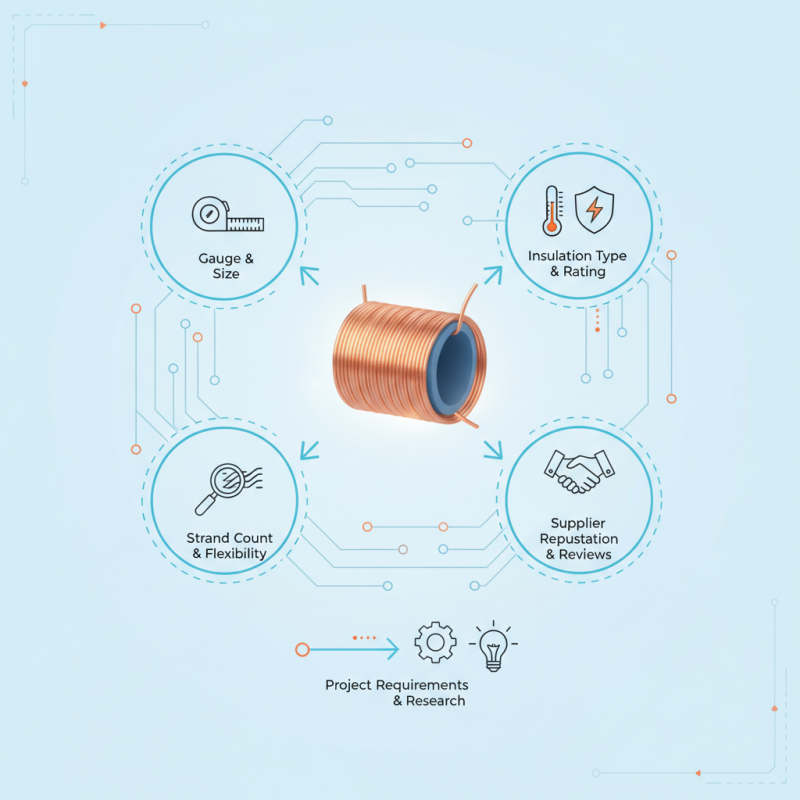
Understanding how to buy Stranded Copper Wire can be challenging. The market is flooded with options, each with varying quality. Factors like gauge, insulation type, and strand count impact performance. Buyers often feel overwhelmed by these choices. It is essential to research and consider project requirements before making a purchase.

Many people overlook the reputation of suppliers. Trusted manufacturers offer reliable products, but it’s vital to check reviews and ratings. Doing so assures that you select quality wire for your needs. In this guide, we'll explore tips for selecting the best Stranded Copper Wire for your specific projects.
How to Buy Stranded Copper Wire for Your Projects?

Understanding Stranded Copper Wire and Its Applications

Stranded copper wire is a versatile material used in various applications. It consists of multiple thin copper strands twisted together. This design enhances flexibility and makes it suitable for intricate installations. Electricians often choose stranded wire for connecting devices in tight spaces. The flexibility allows easier handling without breaking the wire.

This type of wire is commonly found in audio equipment, automotive applications, and residential wiring. Stranded copper can carry more current than solid wire. For projects requiring movement, it is ideal because it can bend without kinking. However, not all situations demand stranded wire. In static installations, solid wire might perform better.

When selecting stranded copper wire, consider your project needs carefully. Assess the wire gauge, flexibility, and current requirements. Seek guidance from experts if unsure about specifications. While stranded wire offers numerous benefits, it may not be the best choice for every scenario. Understanding its characteristics is essential for achieving optimal results in your projects.

Stranded Copper Wire Applications

Identifying Quality Stranded Copper Wire for Purchase

When purchasing stranded copper wire, it's essential to assess its quality. Look for wire with a high strand count; this often indicates better flexibility and performance. Quality stranded copper wire should have a smooth and shiny appearance. Dull or tarnished wire may signal inferior quality or improper storage.

Pay attention to the wire's gauge. Thinner wires can be more prone to overheating. Check for proper insulation as well; it should be intact and durable. Inspect the wire ends for frays or damage. Damaged wires can lead to safety issues in your projects.

It's important to choose suppliers who provide detailed specifications. Reliable vendors usually share certifications that confirm the wire's quality. However, be cautious—some may exaggerate. Comparisons with industry standards can help ensure you're making an informed decision. Striving for high-quality materials will pay off in the long run.

Sources for Buying Stranded Copper Wire: Online vs. Local

When looking for stranded copper wire, you have two main sources: online retailers and local suppliers. Each option has its pros and cons. Online platforms offer convenience and a vast selection. They often provide customer reviews, which can help gauge quality. However, shipping times may delay your projects. In contrast, local suppliers allow you to inspect the wire before buying. You can ask questions directly and get expert advice.

Research shows that the global stranded copper wire market is expected to grow significantly. According to a recent industry report, it is forecasted to reach USD 2 billion by 2025. This growth indicates rising demand for high-quality materials across industries. Be mindful that prices may vary greatly between sources.

Tip: Always compare prices and specifications across different suppliers. Sometimes a local store might have competitive offers that aren't available online.

In addition, consider the wire’s gauge and insulation type for your specific project needs.

These details often influence performance outcomes but can be overlooked by inexperienced buyers. If you're unsure, consulting with a professional can ensure you make the right choice. The wired world is intricate. Small mistakes can lead to unexpected issues.

Evaluating Price and Specifications for Stranded Copper Wire

When evaluating stranded copper wire for your projects, price and specifications are crucial. The average cost of stranded copper wire fluctuates based on market demand and the copper price index. According to the Copper Development Association, copper prices have increased by 20% in the last year due to global supply chain disruptions. Understanding market trends can guide your purchasing decisions.


Specification details include the gauge, strand count, and insulation type. Thicker wires, such as 10 AWG, support more current but may be harder to handle. For example, a 7-strand configuration is commonly used for its flexibility and strength. Insulation materials like PVC or Teflon affect durability and temperature resistance. Be cautious; not all wires meet necessary safety standards. Look for certifications like UL or CE.


Tips: Always compare multiple suppliers. Prices can vary widely. Investigate local suppliers for better rates, especially in bulk purchases. Consider the long-term value of your investment. Cheaper options may not last, leading to higher replacement costs. Your project’s success hinges on choosing the right wire. Don’t overlook the importance of reliable sources; ensure you’re buying from trusted vendors to avoid subpar materials.

Considerations for Storage and Handling of Stranded Copper Wire

When working with stranded copper wire, proper storage and handling are essential. These wires are susceptible to oxidation, which can compromise electrical conductivity. Therefore, it’s vital to store them in a cool, dry place. Avoid exposure to moisture and extreme temperatures, as these factors can deteriorate the insulation over time.

Tips: Always keep the wire in its packaging until you are ready to use it. This helps prevent physical damage and dust accumulation.

Be mindful when handling the wire to avoid kinks or tight bends. Such distortions can affect the wire's performance. Consider using gloves to protect your hands from possible sharp edges. Also, having organized, labeled containers can streamline your projects.

Tips: Use cable ties or small boxes for easy access. This not only keeps your workspace tidy but also minimizes the risk of losing small pieces.

How to Buy Stranded Copper Wire for Your Projects? - Considerations for Storage and Handling of Stranded Copper Wire

Specification Recommended Use Storage Conditions Handling Tips
18 AWG Stranded Copper Wire Low voltage applications, automotive wiring Dry, cool place away from direct sunlight Wear gloves when handling to prevent skin irritation
16 AWG Stranded Copper Wire Household wiring, small electronics Humidity controlled environment Avoid pulling on wire excessively to prevent damage
14 AWG Stranded Copper Wire High-power devices, appliance wiring Store in original packaging until use Ensure ends are capped to prevent short circuits
12 AWG Stranded Copper Wire Heavy-duty electrical applications Avoid damp or wet conditions Use cable ties or clips to prevent tangles
10 AWG Stranded Copper Wire Industrial applications, outdoor lighting Keep in a temperature-stable environment Inspect regularly for signs of corrosion

FAQS

: What is stranded copper wire?

: Stranded copper wire consists of multiple thin copper strands twisted together. This design enhances flexibility for installations.

Why choose stranded wire over solid wire?

Stranded wire carries more current and bends easily, making it ideal for projects with movement and tight spaces.

In what applications is stranded copper wire commonly used?

It is used in audio equipment, automotive applications, and residential wiring where flexibility is required.

How should stranded copper wire be stored?

Store it in a cool, dry place, away from moisture and extreme temperatures to prevent oxidation.

What should I avoid when handling stranded copper wire?

Avoid kinks or tight bends that can affect performance. Use gloves to protect against sharp edges.

What factors should I consider when selecting stranded wire?

Consider the wire gauge, flexibility, and current requirements for your specific project needs.

Is stranded wire suitable for all electrical installations?

No, while useful, stranded wire may not be the best choice for static installations where solid wire performs better.

How can I organize stranded copper wire efficiently?

Use labeled containers or cable ties to keep wires organized. This minimizes loss and keeps the workspace tidy.

Can oxidation affect stranded wire's performance?

Yes, oxidation compromises electrical conductivity. Proper storage is vital to maintain performance.

Should I consult an expert when choosing stranded wire?

Yes, if unsure about specific wire specifications, seeking expert guidance is advisable for project success.

Conclusion

Stranded copper wire is a versatile material commonly used in various electrical and electronic projects due to its flexibility and conductivity. Understanding the distinct properties and applications of stranded copper wire is essential for selecting the right type for your needs. When purchasing, it's crucial to identify quality products, which can be sourced from both online retailers and local suppliers. Evaluating price and specifications is also important to ensure you get the best value for your project requirements.

Additionally, proper storage and handling of stranded copper wire are vital to maintain its quality and longevity. Factors such as humidity, temperature, and physical stress should be considered to prevent damage. By paying attention to these details, you can successfully integrate stranded copper wire into your projects, ensuring efficiency and reliability.


Henry

Henry

Henry is a dedicated marketing professional with a profound expertise in the company's offerings. With years of experience in the industry, he possesses an impressive understanding of the market dynamics and consumer behaviors that drive success. Henry is committed to sharing his insights through......