Choosing China’s top Tinned Copper Braid manufacturers requires more than comparing catalog prices. A dependable supplier must prove material quality, braiding consistency, electrical performance, and production control. This matters in grounding straps, cable shielding, transformer connections, automotive systems, and industrial equipment. A braid may look bright and uniform, yet hide weak solderability or uneven conductivity.
Eric Bogatin, a respected signal-integrity educator, often promotes a measurement-first approach: “If you don’t know the answer, measure it.” That principle fits Tinned Copper Braid purchasing closely. Buyers should request copper purity information, tin-coating details, resistance data, tensile results, and sample inspections. Factory photographs are useful. Independent test records are better. A serious manufacturer can explain wire diameter, braid width, pitch, flexibility, and temperature limits without vague promises.
China has many capable producers, but capability is not identical across factories. Some specialize in custom sizes. Others focus on high-volume grounding components. A few provide complete documentation, traceability, and stable batch control. The difficult part is separating real expertise from polished marketing. It is not always easy.
This guide examines leading Chinese manufacturers through practical criteria, including engineering experience, equipment, quality systems, customization ability, export reliability, and customer support. It also considers details that are easy to overlook, such as cut-edge fraying, coating thickness, packaging moisture, and delivery consistency. No supplier is perfect. Even strong manufacturers may need closer verification for demanding applications. The right choice should come from evidence, testing, and clear technical communication.
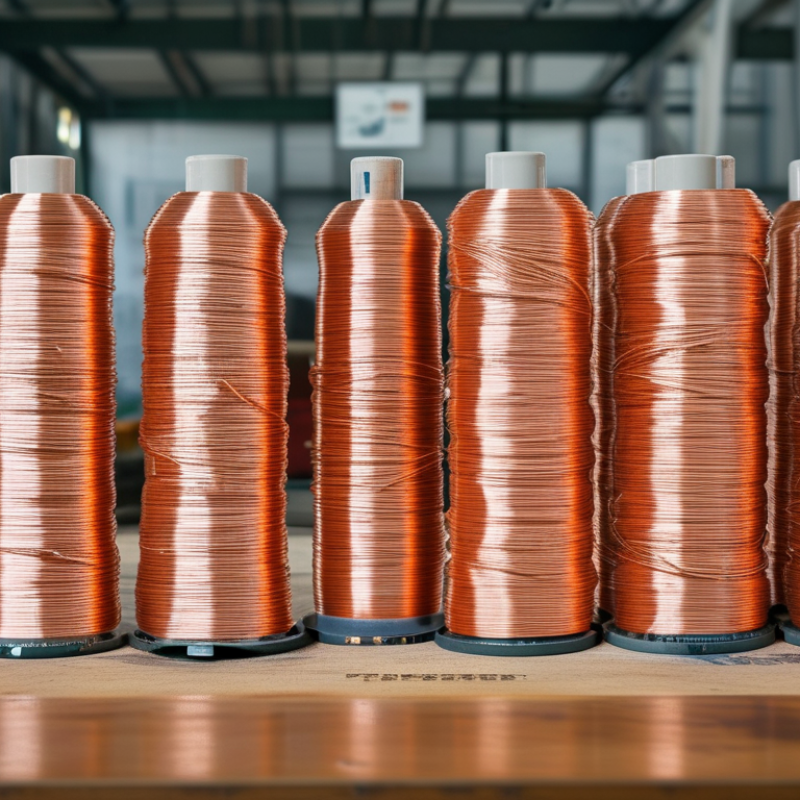
Tinned copper braid is a flexible, woven conductor made from fine copper wires coated with tin. The braid bends around battery terminals, cable joints, and moving electrical assemblies. Tin helps slow oxidation, especially in humid or salty environments. ASTM B33 covers tin-coated copper wire requirements, including coating and conductor quality. However, a tin layer does not make poor copper acceptable. Braid width, wire diameter, weave density, and contact pressure still control performance.
Its common roles include grounding, bonding, electromagnetic shielding, and flexible current transfer. In vehicles, it can connect doors, panels, battery housings, and chassis sections while tolerating vibration. The International Energy Agency reported more than 14 million electric cars were sold worldwide in 2023. That growth increases demand for reliable low-resistance connections, although not every vehicle uses the same braid design. Industrial equipment also uses braided straps near motors, cabinets, transformers, and switchgear. The braid must match the expected current, fault duration, temperature, and movement range. Shorter paths usually reduce impedance. Simple, but frequently overlooked. Manufacturers should verify resistance through testing, not appearance alone. Some products look dense yet perform poorly because their terminal lugs are badly crimped. Reported figures may also vary between laboratories. That is why sample testing, material certificates, and traceable production records remain important when selecting a supplier.
A practical data table for understanding tinned copper braid, its applications, and the key capabilities used to evaluate qualified manufacturers in China.
| Data Dimension | Typical Data or Industry Information | Why It Matters | Common Applications | Manufacturer Evaluation Point |
|---|---|---|---|---|
| Product Definition | Tinned copper braid is a flexible, woven or knitted conductor made from copper strands coated with a thin layer of tin. | The copper provides electrical conductivity and flexibility, while the tin coating improves resistance to oxidation and handling-related corrosion. | Grounding straps, flexible electrical connections, bonding links, cable assemblies, and electromagnetic shielding. | Confirm whether the product is woven or knitted, and whether the tin coating is applied to individual wires or to the finished braid. |
| Base Conductor | Electrolytic copper is commonly used because it offers high conductivity, good ductility, and reliable bending performance. | The copper grade and strand construction influence resistance, flexibility, current capacity, and service life. | Power distribution equipment, switchgear, battery connections, control panels, and industrial machinery. | Request the conductor material, copper purity or applicable standard, strand diameter, and cross-sectional area. |
| Tin Coating Function | Tin forms a protective surface that helps reduce tarnishing and supports solderability compared with bare copper. | Coating quality is important in humid, contaminated, or frequently handled environments. | Marine equipment, outdoor electrical systems, automotive wiring, renewable-energy equipment, and industrial control cabinets. | Check coating uniformity, adhesion, coverage, surface appearance, and resistance to flaking during bending. |
| Construction Type | Common constructions include flat woven braid, tubular braid, knitted braid, and expanded or formed braid. | Construction affects flexibility, width stability, coverage, contact area, and resistance to repeated movement. | Flat grounding straps, cable shielding, flexible earth connections, and protective sleeving. | Select a manufacturer with the correct braiding equipment for the required geometry and dimensional tolerance. |
| Dimensional Parameters | Important dimensions include braid width, finished thickness, braid length, strand diameter, opening size, and cross-sectional area. | Dimensions determine fit, electrical performance, mechanical flexibility, and installation clearance. | Busbar bonding, enclosure grounding, battery links, transformer connections, and cable termination assemblies. | Require dimensional inspection records and confirm tolerance requirements before mass production. |
| Electrical Performance | Electrical resistance depends on copper cross-sectional area, braid length, strand construction, contact condition, and manufacturing consistency. | A low and stable resistance supports effective power transfer and reliable grounding or bonding. | Protective earthing, high-current flexible links, electrical panels, generators, and power-conversion equipment. | Ask for resistance test methods, test temperature, sample length, and applicable electrical standards. |
| Current Capacity | Current-carrying capacity is application-specific and depends on cross-sectional area, length, installation method, ambient temperature, and allowable temperature rise. | A braid should not be rated by appearance alone; thermal conditions and connection quality are critical. | Grounding connections, battery systems, switchboards, motor systems, and flexible busbar assemblies. | Require engineering calculations or test data rather than relying only on a general ampacity statement. |
| Flexibility and Bend Life | Fine strands and knitted constructions generally provide greater flexibility than coarse-strand woven constructions. | Flexibility helps absorb vibration, thermal expansion, movement, and installation misalignment. | Automotive systems, robotics, moving machinery, transformers, and vibration-prone equipment. | Review bend-radius guidance, repeated-flex testing, strand breakage limits, and end-termination design. |
| Temperature Considerations | The permissible operating temperature is determined by the copper, tin coating, insulation or surrounding materials, terminals, and system design. | Temperature rise can accelerate oxidation, loosen connections, and reduce long-term reliability. | Power electronics, electrical cabinets, engine compartments, industrial heaters, and high-load connections. | Request temperature-rise data and define the continuous and short-time operating conditions. |
| Corrosion Environment | Tinned copper is generally more suitable than bare copper for humid or mildly corrosive environments, but it is not universally corrosion-proof. | Salt spray, chemicals, galvanic contact, and polluted atmospheres may require additional material or sealing measures. | Marine and coastal equipment, outdoor enclosures, transport systems, and renewable-energy installations. | Evaluate environmental test data and compatibility with mating metals, terminals, coatings, and sealants. |
| Shielding Performance | When used as a braid shield, coverage depends on braid angle, carrier count, strand size, braid density, and construction. | Higher coverage can improve shielding continuity, while excessive tightness may reduce flexibility. | Power cables, signal cables, instrumentation, control systems, and electromagnetic-interference shielding. | Request nominal coverage, frequency-related shielding information, and continuity test procedures. |
| Termination Options | Typical termination methods include crimped lugs, soldered ends, welded terminals, clamps, and custom formed connectors. | Termination quality directly affects contact resistance, pull strength, vibration performance, and heat generation. | Ground straps, battery jumpers, cabinet bonding, motor connections, and custom cable assemblies. | Assess terminal material, crimp tooling, pull-force testing, soldering control, and final inspection procedures. |
| Quality Standards | Relevant requirements may include IEC, ASTM, UL, RoHS, REACH, or customer-specific specifications, depending on the application and market. | Standards help define material, dimensions, electrical properties, environmental compliance, and testing methods. | Industrial exports, automotive supply chains, electrical equipment, telecommunications, and regulated projects. | Verify current certificates, scope of certification, traceability, calibration records, and product-specific test reports. |
| Customization Capability | Custom options may include width, thickness, length, braid density, tin finish, terminal shape, hole pattern, and assembly configuration. | Customization allows the braid to fit restricted spaces and match the electrical and mechanical requirements of the equipment. | OEM assemblies, battery packs, power modules, switchgear, rail equipment, and specialized machinery. | Prioritize suppliers with engineering support, sample development, tooling control, and documented change management. |
| Production and Inspection | A controlled process typically includes incoming-material inspection, braiding, cutting or forming, tin-coating checks, termination, electrical testing, and final inspection. | Process control reduces variation in resistance, dimensions, coating coverage, and mechanical strength. | High-volume electrical assemblies and applications requiring consistent replacement parts. | Review production capacity, in-process inspection frequency, nonconformance handling, and lot traceability. |
| Best-Fit Supplier Profile | A qualified manufacturer should be able to provide clear specifications, samples, repeatable production, test documentation, and responsive technical communication. | Supplier capability is more meaningful than a general “top manufacturer” claim when product geometry and operating conditions vary. | Low-volume prototypes, OEM programs, export orders, safety-critical grounding, and long-term sourcing. | Compare technical compliance, sample consistency, lead time, quality systems, customization, and total delivered cost. |
Note: Electrical ratings, temperature limits, shielding performance, and corrosion resistance should be confirmed against the selected braid design, installation conditions, and the manufacturer’s current test data.
: It is a flexible conductor made from fine copper wires coated with tin. The woven structure bends around terminals, cable joints, and moving assemblies. It is not rigid.
Tin helps slow oxidation in humid or salty environments. It can support more stable electrical contact over time. However, coating cannot repair poor copper quality.
Common uses include grounding, bonding, shielding, and flexible current transfer. Vehicles may use it between doors, panels, battery housings, and chassis sections. Industrial equipment may use it near motors, cabinets, transformers, and switchgear.
Check braid width, wire diameter, weave density, length, and terminal design. Also confirm current, fault duration, temperature, and movement requirements. Small dimensions matter.
No. A dense braid may still perform poorly with weak terminal lugs or bad crimps. Contact pressure and connection quality affect resistance significantly. Appearance is not enough.
Request resistance testing, material certificates, and traceable production records. Inspect samples for surface quality, solderability, dimensions, and bending performance. Independent inspection may be useful.
Provide drawings showing length, finished width, hole size, tolerance, and terminal requirements. Discuss braiding density, flexibility, and expected current capacity. Vague drawings create avoidable disputes.
Compare copper weight, tin coating, strand size, width, and order quantity. Ask whether tooling, samples, testing, and packaging are included. A low unit price can hide thinner strands.
Confirm lead time, minimum order quantity, packing, labels, and moisture protection. Check invoices, packing lists, origin certificates, and test reports when required. Also ask how rejected goods are handled.
Not always. Production variation and laboratory methods can affect reported results. A sample provides useful evidence, but it is not absolute proof. That limitation deserves attention.
Tinned Copper Braid is a flexible, highly conductive grounding and shielding material made by coating copper strands with tin to improve corrosion resistance and service life. It is commonly used in electrical grounding, bonding, cable shielding, automotive systems, industrial equipment, renewable energy installations, and other applications requiring reliable conductivity and flexibility. When assessing China’s manufacturers, buyers should examine production experience, raw material control, braiding technology, dimensional consistency, and the ability to provide stable capacity for both standard and custom orders.
Leading suppliers typically distinguish themselves through advanced braiding equipment, precise control of width, thickness, strand count, and tin coverage, as well as thorough inspection procedures. Buyers should check relevant quality certifications, testing reports, traceability systems, and compliance with applicable international requirements. A complete comparison should also consider total pricing, minimum order quantities, customization options, packaging, lead times, communication efficiency, and export support. The best choice balances product performance, dependable quality, responsive service, and long-term supply stability rather than focusing only on the lowest price.

 Xingma