Choosing the right Braided Copper Wire is crucial for various applications. Its flexibility and conductivity often make it the preferred choice in electrical projects. Industry reports show that copper wire, especially braided types, has increased in demand by 20% in recent years. This growth highlights its importance in both residential and industrial uses.
When selecting Braided Copper Wire, several factors come into play. Gauge, strand count, and insulation type greatly affect performance. For example, thicker gauges are typically better for high-load applications. However, a thicker wire can also be cumbersome. Balancing weight and performance is a challenge many face. Additionally, the wrong choice can lead to safety hazards or inefficiencies.
Experts recommend considering the specific requirements of your project. Assessing voltage, current, and environmental conditions is essential. While many brands claim superiority, verify their claims with reliable sources. Understanding these elements will enable you to make an informed decision regarding Braided Copper Wire.
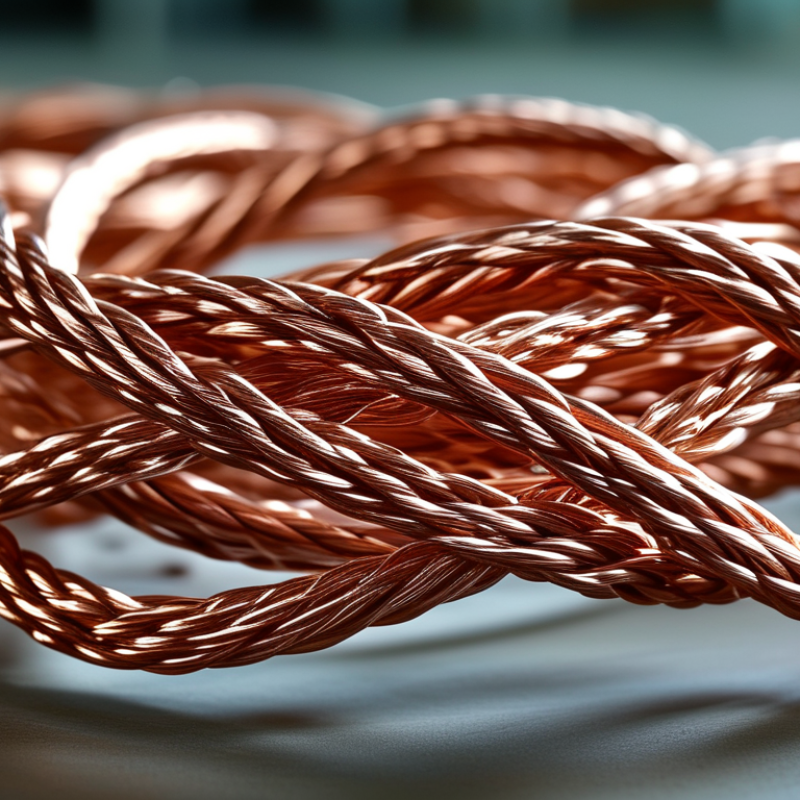
When selecting braided copper wire, several critical factors come into play. Gauge matters greatly. Thicker wires can carry more current but may be harder to work with. Think about your application. Different uses require different wire thicknesses. A wire that works for audio systems might not suit your electrical projects.
The type of insulation on the wire also plays a role. Some insulations withstand heat better. Others resist abrasion or chemical exposure. Focus on your environment. Will the wire be exposed to harsh chemicals or high temperatures? This decision affects durability and longevity.
Consider the wire's flexibility. Some braided wires are easier to manipulate. This can be particularly important in tight spaces or intricate designs. Not all braided copper wires are created equal, and flexibility impacts usability. Sometimes, a more rigid wire seems appealing but can lead to frustration in installation. Reflect on your specific needs to avoid future challenges.
When it comes to choosing braided copper wire, understanding its various types is essential. Braided copper wire generally comes in different forms, catering to a wide range of applications. For instance, flat braided wire offers excellent flexibility and is often used in tight spaces. Meanwhile, round braided wire provides a higher current capacity, making it preferable for applications requiring durability and strength. Each type has unique properties, which makes careful consideration crucial.
Flexibility is important, especially if you need to bend the wire frequently. Some braided wires are more rigid and may not suit every situation. In contrast, softer variants can wear out faster, leading to safety concerns. Always analyze the specific demands of your project. Inspecting the weave and insulation types will help you make informed decisions. Misjudging the required specifications can lead to frustration in your projects.
Ensure that you consider the wire's gauge as well. A thicker wire often means better conductivity. However, this also adds weight and bulk, which can be a downside in compact designs. Most users overlook this aspect. They may focus too heavily on the copper's conductivity without considering the entire assembly. In applications like electronics or renewable energy, each detail adds to performance. Thus, understanding braided copper wire's characteristics aids in selecting the best option for your needs.
Choosing the correct gauge for braided copper wire is essential for optimal performance. A wire's gauge refers to its diameter, impacting its conductivity and flexibility. For most applications, the American Wire Gauge (AWG) system is used. A lower gauge number indicates a thicker wire, which can carry more current but may be less flexible. A higher gauge means thinner wire, which can be more pliable but has a lower current capacity.
When determining the right gauge, consider the current requirements of your project. For low-power applications, such as small electronics, a higher gauge, like 22 or 24, may suffice. However, for power-intensive tasks, a gauge of 10 or 12 is often necessary. Always make sure to double-check the current ratings for safety.
Pay attention to environmental factors as well. If the wire needs to withstand heat or moisture, choose a thicker gauge to prevent overheating. Always think about the installation space; in tight areas, thinner wire might be your only option. Balancing these factors can help you select the most effective gauge for your needs.
| Wire Gauge | Ampacity (A) | Diameter (mm) | Typical Use |
|---|---|---|---|
| 10 AWG | 30 | 2.59 | Automotive Wiring |
| 12 AWG | 20 | 2.05 | Household Appliances |
| 14 AWG | 15 | 1.63 | Lighting Circuits |
| 16 AWG | 10 | 1.29 | Low-Power Applications |
| 18 AWG | 7 | 1.02 | Signal Wires |
When selecting braided copper wire, evaluating its electrical conductivity is crucial. Conductivity determines how efficiently the wire can transfer electricity. Braided wire offers a higher surface area, enhancing its ability to conduct. This can lead to lower resistance and better performance in various applications.
Different factors impact conductivity. The gauge of the wire plays a significant role. A thicker wire generally has a lower resistance. Copper purity also matters; higher purity typically means better conductivity. Look for details on the copper content when choosing your wire. Some manufacturers might not specify the purity, which can be a red flag.
Consider the intended use of the wire. For high-power applications, conductivity becomes even more vital. It’s easy to overlook this aspect, but poor conductivity could lead to overheating or energy loss. Evaluate your choices carefully and ask experts if needed. This ensures you select a wire that meets your specific requirements.
Braided copper wire has versatile applications across various industries. Its flexibility and conductivity make it ideal for use in electrical connections, especially in high-frequency applications. According to the International Copper Association, the demand for copper wire in electrical applications is projected to increase by 3% annually. This growth underscores the importance of selecting the right braided copper wire for specific needs.
In automotive manufacturing, braided copper wire plays a vital role in ensuring reliable connections in electronics. Its resistance to corrosion enhances durability. For telecommunications, it provides excellent signal integrity. A report from the Telecommunications Industry Association highlights that using high-quality braided copper can reduce signal loss by 20%. These statistics reflect the significance of effective material choice.
When selecting braided copper wire, consider the application environment. For high-temperature situations, look for wires rated for elevated heat. Ensure that wire gauge matches the current requirements to prevent overheating. Regular inspections help maintain performance and sustainability. A simple visual check can reveal potential wear or damage. Remember, quality matters in longevity and efficiency.
: Gauge affects current capacity. Thicker wires carry more current but could be harder to manage.
Insulation determines heat resistance and durability. Choose based on environmental exposure to chemicals or high temperatures.
No, flexibility varies. Some wires are easier to manipulate, impacting usability in tight spaces.
Conductivity affects efficiency. Better conductivity means lower resistance and improved performance for your applications.
Factors include wire gauge and copper purity. Higher purity typically leads to better conductivity.
For high-power applications, focus on conductivity. Poor choices can lead to overheating and energy loss.
It’s used in electronics, automotive connections, and telecommunications for reliable and efficient performance.
Regular checks help identify wear or damage. This supports performance and maintenance over time.
It might seem appealing, but rigidity can complicate installation and usage, leading to frustration.
It's a red flag. Always seek wires with clear copper content information for better conductivity.
When choosing the best braided copper wire for your needs, it is essential to consider several factors that impact performance and suitability. First, understanding the different types of braided copper wire available will help you select the right one based on your specific application. Next, determining the appropriate gauge is crucial, as wire thickness affects conductivity and flexibility. Evaluating the electrical conductivity of the copper wire ensures optimal performance in various electrical applications.
Braided copper wire finds its best applications across multiple industries, including electronics, automotive, and telecommunications, where reliable connections and efficient power transmission are critical. By carefully considering these aspects, you can make an informed decision that meets your requirements for braided copper wire effectively.

Xingma