In the world of electrical projects, choosing the right materials is essential. One expert in this field is Dr. Emily Carter, who states, "Braided Copper offers excellent conductivity and flexibility." This makes it a preferred choice for various applications. With its unique properties, Braided Copper is often used in grounding and bonding applications.
The market for Braided Copper has expanded significantly. This rise is due to its durability and performance. However, not all braided copper materials are created equal. It’s crucial to understand the differences between products. For example, the thickness and weave pattern can influence performance.
When selecting Braided Copper, consider your specific project needs. Think about conductivity, flexibility, and resistance to wear. As Dr. Carter points out, the choice should align with the intended application. Reflecting on the various options available is vital for achieving the best results. In a field where precision matters, making the right choice can greatly impact the overall success of your project.
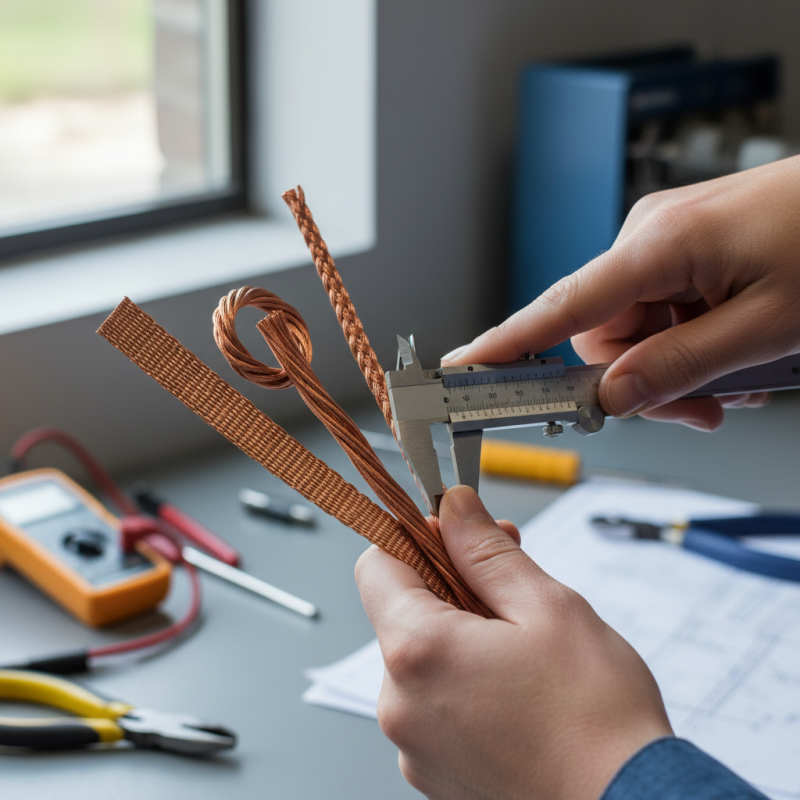
Braided copper is a versatile material widely used in various projects. Understanding its properties is crucial for successful applications. For those new to working with braided copper, it offers excellent conductivity. This makes it a popular choice for electrical and audio applications. The flexibility of braided copper also allows for easy handling, enhancing its usability in tight spaces.
In addition to its electrical benefits, braided copper exhibits durability. It is resistant to wear and tear, making it ideal for high-stress environments. However, it can be tricky to work with. If not handled properly, braided copper may fray or unravel. It's essential to consider the specific requirements of your project. Reflecting on the right gauges and braiding techniques is vital. A miscalculation could lead to disappointments in performance.
Moreover, braided copper requires careful selection based on project specifics. The application dictates the necessary thickness and weave pattern. Researching and consulting with experts can provide valuable insights. Keep in mind that experience plays a significant role in achieving optimal results. As you delve deeper, you'll recognize the importance of ongoing learning in mastering this material.
| Diameter (mm) | Strands | Current Rating (A) | Temperature Rating (°C) | Applications |
|---|---|---|---|---|
| 1.5 | 19 | 10 | 60 | Audio Equipment |
| 2.0 | 26 | 16 | 75 | Industrial Wiring |
| 2.5 | 32 | 20 | 85 | Power Connections |
| 3.0 | 40 | 25 | 90 | Solar Applications |
| 4.0 | 56 | 30 | 100 | High-Voltage Lines |
: Braided copper offers excellent conductivity and flexibility, making it suitable for electrical and audio applications.
If not handled properly, braided copper can fray or unravel, which affects its performance and durability.
Look for high purity, tight braiding patterns, and check for inconsistencies to ensure quality and performance.
Consider the project's specifications like thickness, weave pattern, and consult experts for better results.
Yes, requesting samples allows for testing quality and saves time and money in the long run.
A well-braided pattern ensures better flexibility and resistance; poor braiding can lead to electrical issues.
Sometimes, emerging brands provide innovative solutions that surpass more established options, so it’s worth exploring.
Reviews give insights into reliability and performance, helping ensure that you're making a sound choice.
Miscalculating wire requirements may lead to poor performance; ongoing learning is crucial for effective use.
Experience enhances understanding of materials, but continuous learning is necessary for optimal results in projects.
When choosing the best braided copper for your projects, it’s essential to start by understanding the fundamentals of braided copper and its various applications. Evaluating the quality of braided copper involves considering key factors such as material purity, manufacturing techniques, and tensile strength. Additionally, selecting the appropriate size and gauge is crucial to ensure compatibility with your specific project requirements.
As you compare different brands and manufacturers of braided copper, it’s important to weigh the benefits and drawbacks of each option. Finally, budgeting for braided copper projects requires a careful assessment of costs, allowing you to allocate resources effectively while ensuring high-quality results. By following these guidelines, you can make informed decisions that enhance the success of your projects involving braided copper.

 Xingma