Choosing Copper Wire Stranded in 2026 requires more than comparing prices, gauges, or shiny copper surfaces. Electrification is increasing demand for reliable conductors. The International Copper Study Group forecast refined copper usage at approximately 26.2 million metric tons in 2024 and 27.4 million tons in 2025. The International Energy Agency also identifies copper as essential for grids, electric vehicles, motors, and renewable power systems. That pressure makes material quality and supply consistency increasingly important.
Jonathan Price, former Teck chief executive, described copper as “the metal of electrification.” His point matters when selecting stranded conductors for control panels, battery systems, industrial equipment, and flexible power connections. A proper choice considers conductor class, strand diameter, insulation temperature, voltage rating, bending radius, and installation conditions. IEC 60228 Class 2 conductors suit many fixed installations. Classes 5 and 6 usually offer greater flexibility. ASTM B8 provides another widely used reference for concentric-lay stranded copper conductors.
The practical detail is easy to miss. More strands do not automatically mean higher ampacity. Smaller strands can increase flexibility, but they may also affect termination quality, surface oxidation, and handling. The correct size depends on current, ambient temperature, grouping, insulation, and local requirements. No single chart solves every installation. That is the uncomfortable part. A technically attractive cable can still fail because its lugs, bend space, or heat path were ignored. This guide examines the evidence, specifications, and field decisions behind Copper Wire Stranded selection for 2026. Some recommendations remain conditional, because real installations rarely behave perfectly.
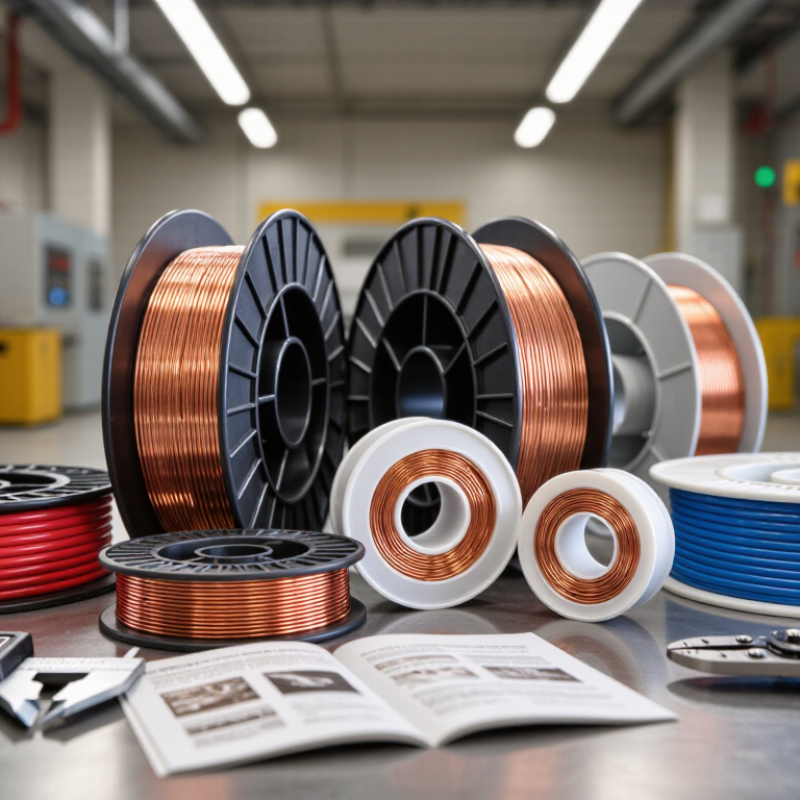
When choosing stranded copper wire in 2026, start with its structure, not its label. A stranded conductor contains many thin copper wires twisted into a single path. This design bends more easily than solid copper and resists repeated movement. It also creates small air gaps between strands. Those gaps can affect compact termination and heat behavior. That detail matters.
Stranding patterns serve different jobs. Bunched strands offer excellent flexibility for moving equipment and tight bends. Concentric strands provide a more orderly shape and consistent compression under terminals. Rope-lay construction uses groups of strands for demanding movement. Bare copper suits protected indoor assemblies, while coated copper can help in humid or corrosive surroundings. Coating is not a substitute for proper insulation. Check the insulation material, temperature rating, voltage rating, and resistance to oil, sunlight, or abrasion. In practice, I compare the conductor area with the actual load and installation length. A thicker wire is not automatically the best wire.
Key features include conductivity, strand count, flexibility, ampacity, and termination quality. More strands usually improve flexibility, but they may require compatible ferrules or terminals. Fine strands can reduce fatigue during vibration, yet careless stripping can damage them. Measure twice. Look for clear technical documentation, traceable test information, and consistent dimensions. Do not rely only on attractive packaging or a low resistance claim. I have seen selections fail because the bend radius was ignored. The overlooked detail was mechanical, not electrical. Recheck the route, heat, movement, and connector fit before ordering. No choice is perfect; the right one balances performance, durability, and installation reality.
Choosing stranded copper wire should begin with the electrical requirement, not the wire’s appearance. Measure the circuit’s operating voltage and expected current. A small pump may draw more during startup than its label suggests. Check the equipment manual and nameplate carefully. Then calculate the cable length, including the return path. Long runs can create voltage drop, causing dim lights, weak motors, or excess heat. I have seen quick gauge estimates fail because installers measured only the one-way distance.
Temperature and installation conditions also matter. Wire inside a warm control cabinet may need a higher temperature rating than wire in open air. Moisture, oil, vibration, and repeated movement can influence insulation selection and strand flexibility. Confirm that the conductor fits the terminal securely. Loose strands can cause unreliable connections. Check local electrical requirements and use an ampacity table suited to the installation method. Copper is conductive, but it is not automatically the correct choice for every circuit.
Tips: Write down voltage, normal current, startup current, total length, ambient temperature, and installation location before shopping. Compare the wire’s ampacity with the protective device rating. Leave a practical margin, but avoid oversized wire that cannot fit the terminal. Inspect a sample cut for clean, even strands. Recheck the calculation. Mistakes often hide in assumptions.
Choosing stranded copper wire starts with the wire gauge. A lower AWG number usually means a thicker conductor and greater current capacity. However, ampacity also depends on insulation temperature, installation space, and surrounding heat. Always check the application requirements, not only the diameter.
Strand count affects movement and durability. A conductor with seven thick strands suits fixed wiring with limited movement. A finely stranded wire bends more easily around terminals, hinges, and compact equipment. It can also resist repeated vibration better. Yet, very fine strands may spread during termination and require a suitable ferrule or connector. More strands do not automatically mean higher current capacity. That assumption can cause trouble.
I once chose a large gauge for a short moving connection. It carried the load safely, but its stiffness made routing awkward. Flexibility matters. Compare the cable’s bend radius, insulation softness, and expected movement. Look for clear markings and traceable test information from a reliable supplier. Do not rely on appearance alone.
Tips: Match gauge to measured load and installation conditions. Count strands only after checking flexibility needs. Leave gentle bends, not sharp corners. Inspect terminations for loose strands, heat marks, or exposed copper. If the cable feels unnecessarily rigid, reconsider the design.
Stranded copper wire should be selected by insulation performance, not flexibility alone. IEC 60228 specifies conductor classes and resistance values, with copper resistivity near 0.01724 Ω·mm²/m at 20°C. Longer runs need careful voltage-drop calculations. I have seen flexible cables fail early when installers checked ampacity but ignored heat trapped inside conduits. That mistake is common.
IEC 60228 specifies conductor classes and resistance values, with copper resistivity near 0.01724 Ω·mm²/m at 20°C.
Temperature ratings deserve closer attention. PVC insulation often carries a 70°C continuous conductor rating, while cross-linked materials may reach 90°C under applicable cable standards, including IEC 60502-1. These figures are not interchangeable. Ambient temperature, bundling, and current harmonics can reduce the usable rating. A cable rated at 90°C may still require lower operating current. Always verify the exact construction and certification documents.
PVC insulation often carries a 70°C continuous conductor rating, while cross-linked materials may reach 90°C under applicable cable standards, including IEC 60502-1.
Environmental resistance changes the decision again. The IEC 60811 test series evaluates insulation properties after heat, aging, and mechanical stress. For outdoor equipment, check resistance to sunlight, moisture, oil, and repeated bending. The International Energy Agency reported global electric car sales exceeding 17 million in 2024, increasing demand for durable charging infrastructure. That growth does not justify choosing the most expensive insulation automatically. It does justify testing the real installation conditions. One overlooked issue remains cold flexibility. Some insulation performs well in heat but cracks after repeated winter movement. Experienced selection is partly calculation, partly inspection, and occasionally a correction to an earlier assumption.
How to Choose Stranded Copper Wire in 2026?
Selecting the Right Stranded Copper Wire for Each Application
Stranded copper wire suits applications that need repeated movement, tight bends, or vibration resistance. I have found that flexibility depends on more than strand count. Fine strands bend easily, while fewer, thicker strands often handle abrasion better. Choose the wire gauge according to current demand, circuit length, and acceptable voltage drop. A wire that feels flexible may still be undersized.
Check the insulation before installation. PVC can suit general indoor wiring, while silicone or specialized insulation performs better near heat, oils, or continuous motion. Confirm the rated voltage and temperature range. Also inspect the conductor for clean copper, consistent stranding, and secure insulation. Small defects matter. In demanding equipment, poorly finished ends can loosen under vibration and create heat.
Tips: Match the wire to the real working environment, not only the product label. Leave enough length for routing, but avoid loose loops near moving parts. Use suitable terminals and crimping tools. Test resistance and continuity before energizing the circuit. I once selected a highly flexible wire for a moving assembly, then noticed its insulation wore quickly against a sharp bracket. The conductor was correct, but the application review was incomplete. Recheck abrasion, bending radius, and installation space before approval.
| Application | Typical stranding choice | Common insulation considerations | What to check when selecting |
|---|---|---|---|
| Fixed building wiring | Class 2 stranded copper is commonly used where the wiring method permits it; solid conductors may also be suitable for some fixed runs. | Choose an insulation and cable type listed for the installation location, wiring method, and applicable electrical code. | Confirm conductor size, permitted wiring method, terminal compatibility, ambient-temperature correction, and required overcurrent protection. |
| Control panels and machine wiring | Class 5 flexible conductors can ease routing through cabinets and around equipment; use a suitable ferrule or terminal where required. | Select insulation rated for the panel environment, temperature, voltage, oil exposure, and applicable panel or machine standards. | Check terminal acceptance, bending space, conductor identification, enclosure temperature, and whether the wire is approved for the intended installation. |
| Robotics and continuous-flex equipment | Fine-stranded conductors designed for repeated flexing; Class 6 construction may be considered, but strand class alone does not guarantee flex life. | Look for a cable construction specified for dynamic service, with a jacket suited to abrasion, oils, coolants, and the operating environment. | Verify bend radius, travel distance, acceleration, torsion, cycle-life data, routing, and compatibility with the cable carrier or robot arm. |
| Automotive low-voltage wiring | Fine-stranded automotive primary wire is commonly selected to accommodate vibration and tight routing. | Use an automotive wire type specified for the vehicle application, such as a suitable SAE J1128 construction; insulation temperature ratings vary by type. | Check circuit current, voltage drop, under-hood temperature, fluids, abrasion, routing, and the vehicle manufacturer's requirements. |
| Welding leads and portable equipment | Fine-stranded copper cable is typically preferred for flexibility during handling and movement. | Choose a welding or portable-cable construction with a durable, flexible jacket suited to heat, abrasion, and the work environment. | Size the cable for current, cable length, duty cycle, allowable voltage drop, ambient temperature, and applicable product requirements. |
| Appliances and internal equipment leads | Flexible stranded conductors are useful where internal leads must fit around components or tolerate movement during assembly. | Select appliance wire with the correct recognized type, insulation temperature, voltage rating, and resistance to heat or chemicals in the equipment. | Confirm component clearances, routing, operating temperatures, termination method, and the appliance's applicable safety standard. |
| Audio and other low-voltage connections | Fine-stranded copper is convenient for flexible patch leads and connections that are handled or moved. | Use insulation suited to the installation; shielded cable may be appropriate where signal interference is a concern. | Check conductor size for length and current, connector compatibility, shielding needs, and separation from power wiring. |
Selection note: Stranding, conductor size, insulation, and allowable current depend on the complete cable construction and installation conditions. Confirm applicable electrical codes, product listings, manufacturer specifications, terminal ratings, and local requirements before installation.
It contains many thin copper strands twisted into one conductor. It bends more easily and handles repeated movement better. Small gaps between strands can affect termination and heat behavior.
Bunched strands suit tight bends and frequent movement. Rope-lay construction handles demanding motion. Concentric strands form a more orderly shape and compress consistently under terminals.
Not necessarily. More strands often improve flexibility, but fine strands can be damaged during stripping. They may also need compatible ferrules or terminals. Check the connector fit.
Compare conductor area with the load and run length. Longer runs need voltage-drop calculations. Also inspect the route, bend radius, movement, and available space. A thicker wire is not automatically the right one.
Read the rating for the exact cable construction. PVC often has a 70°C continuous conductor rating, while some cross-linked materials may reach 90°C under applicable standards. Ambient heat, bundling, and current harmonics can lower usable capacity.
No. Check resistance to sunlight, moisture, oil, abrasion, and repeated bending. Cold flexibility matters too; some insulation performs well in heat but can crack during winter movement.
No. Coating may help in humid or corrosive surroundings, but it does not replace proper insulation. Verify the insulation’s voltage, temperature, and environmental ratings.
Review technical documents, test information, dimensions, and termination compatibility. Confirm heat exposure and connector fit. Small detail, big trouble: an ignored bend radius can lead to early failure.
Choosing the right Copper Wire Stranded in 2026 begins with understanding its construction, strand arrangement, and key performance features. Unlike solid conductors, stranded copper wire consists of multiple fine copper strands that improve flexibility and make the cable easier to route through tight spaces. Before selecting a wire, define the system’s voltage, current, frequency, installation method, and required length. These factors help determine the appropriate wire gauge and prevent overheating or excessive voltage drop.
Strand count also affects flexibility, durability, and ease of installation: more, finer strands generally provide better movement, while fewer, thicker strands may offer greater mechanical strength. Insulation should match the expected temperature, moisture, chemicals, abrasion, and outdoor exposure. By comparing conductor size, strand structure, insulation rating, and environmental resistance, users can select a stranded copper wire suited to control panels, power connections, vehicles, equipment, or other electrical applications. A careful match improves safety, reliability, service life, and overall installation efficiency.

Xingma