When it comes to electrical applications, the choice of materials is crucial. Woven Copper Braid has gained prominence due to its unique properties. Industry reports indicate that copper's conductivity is nearly 100% pure, making it ideal for efficient electrical transmission. The flexibility of woven copper allows it to adapt to various environments without compromising performance.
Moreover, statistics from recent studies show that woven copper braid components can enhance overall system reliability by up to 30%. This improvement is vital in high-demand sectors like aerospace, telecommunications, and electrical engineering. While some alternatives exist, they often fall short in conductivity and durability.
However, selecting woven copper braid is not without challenges. Sourcing high-quality materials can be complex, and not all suppliers meet stringent industry standards. It’s essential to evaluate options carefully, ensuring the braid's specifications align with your specific requirements. In such a critical area, making informed decisions can lead to significant long-term benefits.
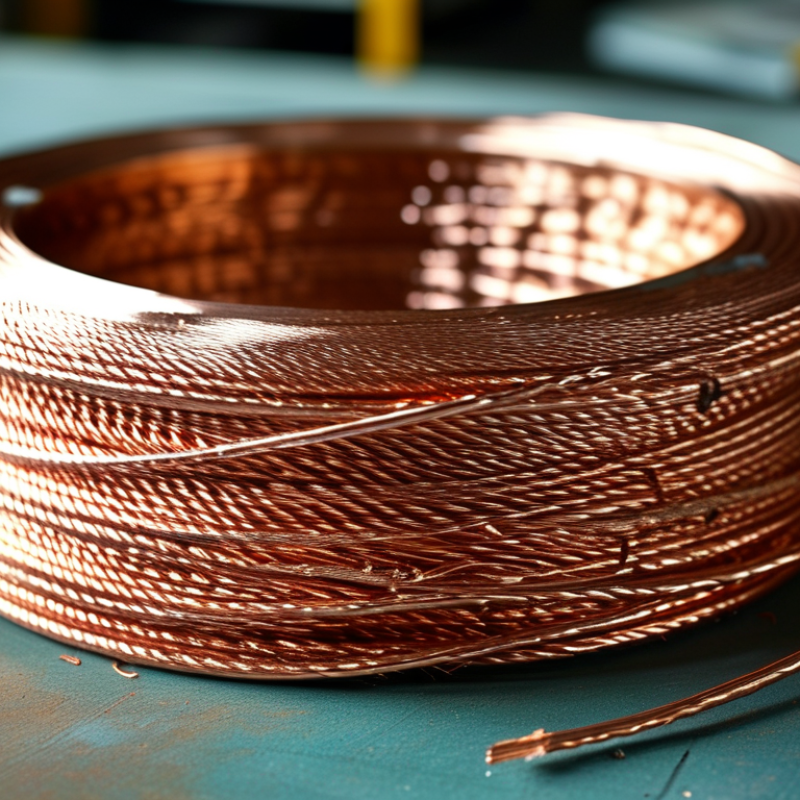
Benefits of Woven Copper Braid in Electrical Applications
Woven copper braid has become a preferred choice in electrical applications. Its flexibility and conductivity make it ideal for various uses. The benefits of woven copper braid extend beyond simple conductivity. The braiding technique enhances mechanical strength and durability, which is crucial in demanding environments.
Tips: When selecting woven copper braid, ensure it meets the specific requirements of your project. Consider factors like thickness and strand count. This attention to detail can significantly affect performance and longevity.
The thermal and electrical conductivity of woven copper braid is superior compared to solid alternatives. This feature allows it to handle higher currents effectively. However, installation can be tricky, especially in tight spaces. Always ensure a secure connection to prevent performance issues.
Tips: Regular inspections can help identify wear or damage early on. It’s important to continuously evaluate the material's condition. This proactive approach can prevent costly outages. Many users overlook this essential maintenance step, which can lead to larger problems down the road.
Understanding the Composition and Structure of Woven Copper Braid
Woven copper braid plays a vital role in modern electrical applications. Its unique structure enhances conductivity and flexibility, making it ideal for various uses. According to a recent industry report, woven copper braid offers a conductivity level of up to 98%, significantly improving energy efficiency in electrical systems. This high level of conductivity also allows for effective current distribution, reducing energy loss during transmission.
The composition of woven copper braid typically involves multiple strands of copper interwoven to create a flexible and durable product. This woven design allows for better heat dissipation, which is critical for preventing overheating in electrical components. In fact, studies show that systems using woven copper braid demonstrate a 30% reduction in thermal resistance compared to solid conductors.
While the benefits of woven copper braid are clear, there are challenges to consider. For instance, its installation requires careful handling. Any damage to the braid can compromise its performance. Additionally, sourcing high-quality materials remains a concern in the industry. Variations in purity and thickness may affect overall functionality. Addressing these issues is essential for utilizing woven copper braid effectively in electrical systems.
Comparing Woven Copper Braid with Other Conductive Materials
Woven copper braid stands out when compared to other conductive materials. This unique material offers excellent flexibility and strength. A study by the International Journal of Electrical Engineering found that woven copper boasts a conductivity rating of about 97%. This high level of conductivity makes it ideal for various electrical applications.
In contrast, aluminum, a common alternative, presents challenges. Although it is lightweight, its conductivity is only about 61%. This significant difference can lead to energy losses and inefficiency. Furthermore, aluminum tends to oxidize, which can compromise connections over time.
Woven copper braid maintains its conductive properties despite environmental stresses, making it a reliable choice for long-term use.
Another aspect to consider is the durability of woven copper. Its resistance to wear and tear is crucial in settings requiring constant movement. Research shows that woven copper can withstand mechanical stresses better than traditional solid cables. However, the cost difference may provoke discussions among projects with tight budgets. Ultimately, it is essential to evaluate both performance and economic factors when choosing between these materials.
Applications of Woven Copper Braid in Electrical Systems
Woven copper braid is increasingly favored in various electrical systems due to its unique characteristics. The flexibility of woven copper braid allows for efficient heat dissipation and reduced electrical resistance. According to a 2021 report by ResearchAndMarkets, flexible electrical connections can enhance system longevity by up to 30%. This attribute makes woven copper braid suitable for demanding applications like aerospace and military equipment.
In power generation systems, woven copper braid performs exceptionally well under high stress. It can handle large currents while maintaining low impedance. The International Electrotechnical Commission (IEC) has noted that materials like woven copper can reduce electromagnetic interference (EMI) in electrical wiring. This is crucial for sensitive equipment operations, where EMI can lead to performance failure.
However, challenges exist. The production of woven copper braid can be energy-intensive. Additionally, maintaining the integrity of the braid over time may require regular inspections. Companies must weigh the benefits against potential cost implications. Quality control measures are key to ensuring reliability. Close attention to these factors can lead to significant advantages in electronic applications.
Applications of Woven Copper Braid in Electrical Systems
Factors to Consider When Choosing Woven Copper Braid for Projects
When choosing woven copper braid for electrical projects, several factors come into play. The conductivity of copper ensures efficient electrical transmission. Its woven structure provides flexibility, allowing for easier installation in tight spaces. Durability is another key feature, as woven copper braid can withstand abrasion and movement without breaking down.
Additionally, consider the intended use. Some applications require more flexibility, while others may need rigidity. Check the braid's resistance to heat and corrosion too. These details often get overlooked but significantly affect performance. Many ask whether thicker braid offers better conductivity. The truth is, it depends on the application and environment.
An important aspect is proper sizing. Too loose or too tight can lead to issues like heat buildup or stress failures. Some may underestimate this detail, leading to project failures. Evaluating all these factors helps ensure the woven copper braid meets your specific needs effectively. Each project is unique, and understanding these variables can enhance reliability.
Why Choose Woven Copper Braid for Your Electrical Needs? - Factors to Consider When Choosing Woven Copper Braid for Projects
| Factor |
Description |
Benefits |
Considerations |
| Conductivity |
Woven copper braid offers high electrical conductivity. |
Efficient power transmission with minimal loss. |
Ensure proper specifications for your application. |
| Flexibility |
Woven patterns provide excellent flexibility and adaptability. |
Easily fits into tight spaces or around obstacles. |
Consider the bend radius for your design. |
| Durability |
Copper braid is resistant to wear, corrosion, and thermal stress. |
Longer lifespan compared to other materials. |
Evaluate environmental conditions of use. |
| Cost |
Pricing varies based on material quality and braid options. |
Cost-effective in the long run due to durability. |
Assess budget limitations and project scope. |
| Application |
Ideal for grounding, shielding, and power connections. |
Versatile use in various electrical projects. |
Ensure the braid matches specific application requirements. |
FAQS
: Woven copper braid offers excellent flexibility and conductivity. It also provides enhanced mechanical strength and durability.
Woven copper braid has superior thermal and electrical conductivity, handling higher currents effectively. Solid materials may not perform as well.
Check thickness and strand count for your specific project. These factors affect performance and longevity significantly.
Regular inspections can spot wear or damage early. Ignoring this can lead to costly outages and larger issues.
Its flexibility allows for efficient heat dissipation and reduced resistance, improving system longevity in challenging environments.
Yes, installation can be tricky in tight spaces. Additionally, production can be energy-intensive, requiring careful consideration.
It handles large currents well and maintains low impedance, making it reliable for power generation systems.
Its higher cost compared to alternatives may create budget discussions. Weighing performance against expenses is essential.
Yes, woven copper braid can help minimize EMI, crucial for sensitive electrical equipment operations.
Many underestimate the importance of regular checks, which can lead to significant long-term issues.
Conclusion
Woven Copper Braid has become a popular choice for a variety of electrical applications due to its unique benefits and superior performance. Its composition and structure provide excellent conductivity, flexibility, and mechanical strength, making it an ideal option for diverse electrical needs. When comparing Woven Copper Braid to other conductive materials, it stands out for its resilience and ability to handle high-frequency signals, which is essential in many modern electrical systems.
Various applications of Woven Copper Braid include use in grounding, shielding, and interconnecting wire needs within electrical systems. However, when selecting Woven Copper Braid for projects, several factors must be considered, such as the specific electrical requirements, environmental conditions, and desired longevity. By understanding these aspects, one can effectively leverage the advantages of Woven Copper Braid to enhance their electrical systems.

 Xingma