A Copper Battery Link is a conductive connection used between battery cells, modules, or terminals. It commonly appears as a copper busbar, flexible braid, or shaped connector. Its purpose is simple: carry electrical current with minimal resistance. Copper conducts efficiently, so it helps reduce voltage loss and unwanted heating inside a battery assembly.
In practical systems, the link joins positive and negative paths according to the battery design. Engineers select its thickness, width, length, and flexibility based on current demand and available space. A link for a small backup battery may look like a narrow stamped strip. High-current systems often use thick, plated copper bars with carefully formed holes. The connection must also tolerate vibration, repeated temperature changes, and mechanical movement. Small details matter. Loose fasteners can create heat. Corrosion can increase resistance. Poor insulation can expose dangerous live surfaces.
A reliable Copper Battery Link is not judged by appearance alone. Installation records, torque checks, thermal inspection, and continuity testing provide stronger evidence. Yet terminology varies between manufacturers, and “battery link” may describe different parts. That uncertainty deserves attention. Always confirm the drawing, rated current, voltage, material, and operating environment before replacement. A copper connector is not automatically suitable because it fits physically. Safe design requires compatibility with the complete battery system, including fuses, terminals, insulation, and cooling. This article explains how these links work, how engineers choose them, and what practical warning signs deserve closer inspection.
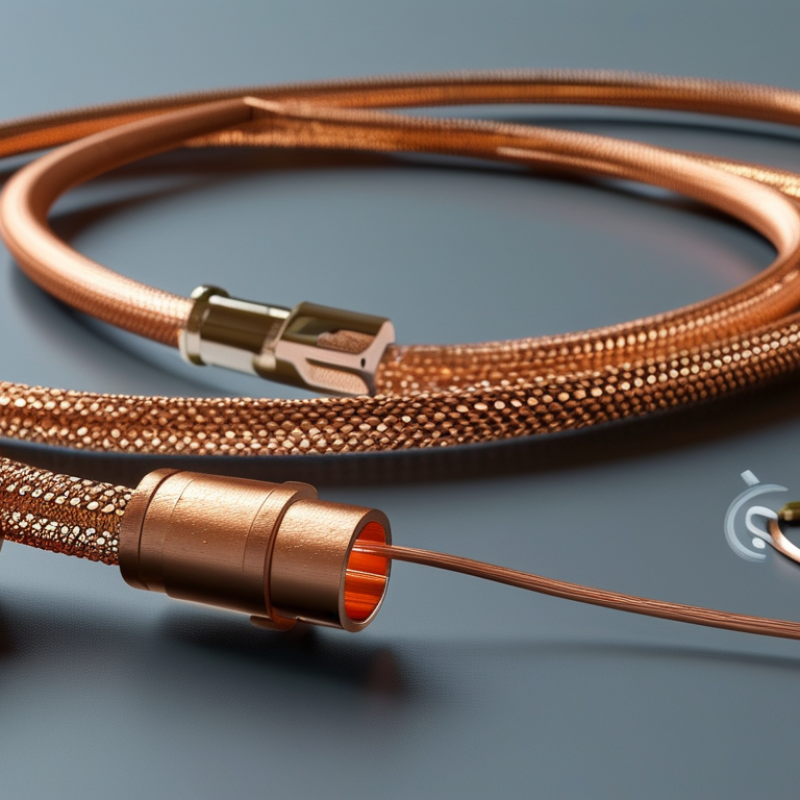
A copper battery link is a conductive connector between battery cells, modules, or terminals. It carries current through a low-resistance path. In many assemblies, it appears as a flat copper bar, flexible strip, or shaped connector. Its main component is copper, selected for excellent electrical conductivity and practical strength. The link also includes contact surfaces, mounting holes, fasteners, and protective insulation. Some designs use plated surfaces to reduce oxidation and improve contact stability.
During operation, current flows from one cell terminal through the copper link to another connection point. The link helps create a series or parallel circuit. Its thickness and width affect resistance, voltage loss, and heat generation. A loose fastener can create a small contact gap. That gap may produce localized heating. I have seen simple connections become unreliable when mechanical pressure was overlooked. Copper alone cannot solve poor assembly.
Tips: Keep contact surfaces clean and firmly secured. Check the specified tightening force, because excessive pressure can damage parts. Leave enough space for thermal expansion and vibration. Inspect discoloration, looseness, or unusual heat during maintenance. A temperature check is useful, but it should not replace a careful visual inspection. Small design details often matter more than expected.
What Is a Copper Battery Link and How Does It Work?
A copper battery link is a shaped conductor that joins battery cells and terminals. Copper links carry current between positive and negative connection points. In a series pack, each link joins one cell’s positive terminal to the next cell’s negative terminal. The cell voltages add together. In parallel groups, links combine matching terminals and increase current capacity.
The connection may use laser welding, ultrasonic welding, bolted joints, or carefully formed contact surfaces. A short, wide copper link reduces resistance and limits heat during high-current discharge. The IEA’s Global EV Outlook 2024 reports that electric vehicle battery demand exceeded 750 GWh in 2023, rising about 40% from the previous year. Even tiny connection losses matter at this scale. The USGS Mineral Commodity Summaries 2024 estimates global mined copper production at about 22 million metric tons in 2023. Supply remains important, but design efficiency matters too.
Real battery packs are less tidy than diagrams suggest. Engineers measure joint resistance with four-wire testing and inspect welds for cracks, voids, and uneven pressure. Copper also expands when heated, so rigid links can stress terminals during cycling. Flexible sections can help. Sometimes, they are overlooked. A link may also serve as a controlled fuse when its narrow section is designed to open during a severe fault. That choice requires testing, because an undersized link may fail early, while an oversized link may not interrupt dangerous current quickly enough.
What Is a Copper Battery Link and How Does It Work?
A copper battery link connects individual cells or modules within a battery pack. It creates a low-resistance path for electrical current. Copper works well because its electrical conductivity is high, so less energy becomes unwanted heat. When current leaves one cell, it travels through the link to the next cell or external terminal. The link must carry this current repeatedly, sometimes under heavy loads. Its size, thickness, and connection quality directly affect voltage drop and operating temperature.
Tips: Choose a link with suitable cross-sectional area and length. Keep contact surfaces clean and firmly clamped. Even a small loose connection can create a hot spot. Check for discoloration, surface damage, or unusual warmth during maintenance. A temperature reading is more reliable than touch alone. Copper is highly conductive, but it still has resistance.
In real battery systems, copper links are shaped as bars, straps, or flexible connectors. Flexible designs can absorb vibration and slight movement between cells. Rigid links may provide stronger alignment, but they can transfer mechanical stress. Copper is not automatically the best answer; the design must also consider current, heat, corrosion, and available space. Protective plating may reduce oxidation, although it cannot repair poor assembly. A useful review includes both electrical measurements and physical inspection. The ideal link is not merely conductive. It must remain stable over time.
The Role of Copper in Conducting Battery Current
This chart shows the calculated voltage drop across a 1-meter copper battery link with a cross-sectional area of 10 mm². The calculation uses copper's resistivity of approximately 1.68 × 10⁻⁸ Ω·m at 20°C. As battery current increases, resistance causes a proportional increase in voltage drop and heat generation.
Formula: Voltage drop = Current × Resistance. The calculated resistance of the link is approximately 0.00168 Ω, excluding contact resistance.
A copper battery link is a conductive bridge between cells, modules, or terminal points. It is usually shaped as a flat strip, flexible connector, or formed busbar. Copper carries high current because its electrical resistance is low. The copper path is continuous. Short links still matter.
When a battery delivers power, conventional current leaves the positive terminal and travels through the copper link toward the connected circuit. Inside the battery, chemical reactions move charge through the cells, while electrons move through the external metal path. Electron flow is opposite to conventional current. This distinction often causes confusion, even in basic wiring diagrams.
At every joint, current passes through the copper body, fastener, weld, or contact surface. A weak connection creates extra resistance. That resistance produces heat according to I²R, so a small defect can become serious under heavy load.
A practical inspection checks discoloration, loose joints, bending damage, and uneven contact pressure. Clean contact surfaces help, but excessive tightening can deform thin copper. The ideal model assumes uniform current flow. Real links may carry uneven current, especially when parallel cells have different resistance. Temperature also changes performance. A cooler path may attract more current, which can increase imbalance. My first assumption would be simple: thicker copper is always better. It is not. Shape, length, joint quality, and cooling all influence how current moves. The simple explanation is useful, but incomplete.
A copper battery link is a conductive connector between individual cells or battery modules. It transfers current with low electrical resistance, reducing voltage loss and unwanted heat. Copper also spreads heat efficiently across the connection area. This helps maintain stable performance in compact battery packs. Fit matters. A poorly aligned link can create pressure on terminals and weaken the assembly.
Key benefits include high conductivity, good thermal performance, and reliable current handling. Copper links can also be shaped, plated, or laminated for specific applications.
However, material thickness must match the expected current and temperature rise. A link that is too thin may overheat during peak loads. One that is too thick can add weight, cost, and unnecessary stiffness.
Design work should consider joint resistance, vibration, corrosion, insulation clearance, and available installation space.
Bolted connections need controlled torque and clean contact surfaces. Welded connections require consistent energy and accurate positioning.
In practical testing, engineers should measure temperature at the joint, not only along the copper strip. That detail is easy to miss.
Thermal expansion can also stress nearby cells, especially during repeated charging cycles. Flexible sections may reduce this stress, but they can complicate manufacturing.
No design is perfect. Prototype testing often reveals small alignment or heating issues that calculations overlook.
It is a shaped copper conductor connecting battery cells, modules, or terminals. It transfers current between connection points. Common forms include flat strips, flexible connectors, and formed busbars.
In a series pack, one link joins a cell’s positive terminal to the next cell’s negative terminal. Their voltages add together. Correct alignment matters.
Parallel links connect matching positive or negative terminals. This arrangement can increase current capacity. Cells with different resistance may share current unevenly.
Copper has low electrical resistance and carries high current efficiently. It also spreads heat across the connection area. Short, wide links usually reduce losses.
Extra resistance creates heat according to I²R. A weak weld, loose fastener, or damaged contact can become noticeably hot under heavy load. Small defects matter.
Common methods include laser welding, ultrasonic welding, and bolted joints. Carefully formed contact surfaces may also work. Each method needs consistent pressure and positioning.
Check for discoloration, loose joints, bending damage, cracks, voids, and uneven contact pressure. Four-wire testing can measure joint resistance accurately. Visual inspection alone is incomplete.
Copper expands when heated and contracts when cooled. Rigid links may stress nearby terminals during repeated cycling. Flexible sections can reduce this strain, though manufacturing becomes harder.
No. Thickness must match current, temperature, weight, space, and stiffness requirements. An oversized link may add unnecessary weight. My first assumption was wrong.
Engineers should examine joint temperature, vibration, corrosion, insulation clearance, torque, and cooling. Prototype testing may reveal alignment problems that calculations miss. The model is incomplete.
A Copper Battery Link is a conductive connection used to join battery cells, modules, or terminals within a battery pack. Typically made from copper strip, bar, or flexible laminated material, it provides a direct electrical path between positive and negative connection points while supporting the mechanical structure of the assembly. Its key components may include the copper conductor, terminal interfaces, protective insulation, and fastening or joining areas.
When a battery operates, current travels through the Copper Battery Link from one cell or terminal to the next. Copper is widely used because it offers excellent electrical conductivity, low resistance, and effective heat transfer, helping reduce energy loss and unwanted temperature increases. Proper design should consider current capacity, thickness, length, flexibility, connection quality, vibration resistance, and thermal expansion. Correct sizing and secure contact surfaces are essential for reliable performance, safety, and long service life, especially in battery systems that experience high current loads or repeated charging and discharging cycles.

Xingma