Choosing the right Copper Stamping Parts can be a challenging task for global buyers. The market is vast and varied. With numerous manufacturers and options available, making an informed decision is crucial. It is essential to understand the quality, applications, and specifications suited for various industries.
The significance of Copper Stamping Parts lies in their diverse applications. Industries such as electronics, automotive, and aerospace rely heavily on these components. Buyers must assess the materials used and the manufacturing processes involved. Reliable suppliers often offer customizations to meet specific needs. However, not all parts are created equal, and quality can fluctuate greatly between manufacturers.
Buyers should consider seeking expert advice to navigate the complexities of sourcing Copper Stamping Parts. Engaging with experienced suppliers can lead to valuable insights. Additionally, reflecting on past purchases and outcomes can help define better sourcing strategies. Ultimately, the goal is to find parts that are not only suitable but also enhance the overall performance of end products.
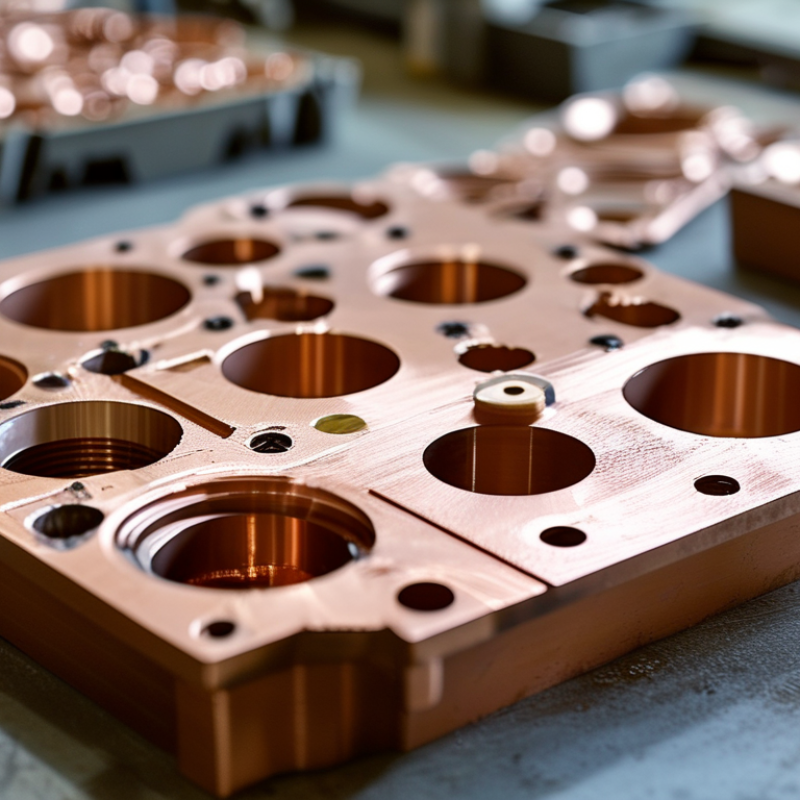
Copper stamping parts are crucial in various industries, including automotive, electronics, and aerospace. Their applications range from connectors and terminals to intricate components in machinery. Understanding the specific use of these parts helps buyers make informed choices. For instance, high conductivity is essential in electrical applications, while strength and durability are key for structural components.
Choosing the right copper stamping parts requires knowledge of material properties. Not all copper alloys are created equal. Some may corrode easily, while others resist wear better. Buyers need to consider the environment where the parts will be used. For example, exposure to moisture can affect the longevity of copper components. Testing is often necessary to ensure quality.
Additionally, design complexity impacts manufacturing techniques and costs. Simple designs might be easier to stamp, while intricate shapes may require more advanced processes. This can lead to increased production times. Buyers should evaluate whether the investment aligns with their project's goals. Effective communication with suppliers is essential to clarify requirements and specifications, as well as to anticipate potential limitations.
| Part Name | Material Type | Thickness (mm) | Application | Manufacturing Process |
|---|---|---|---|---|
| Connector Housing | Copper Alloy | 0.5 | Electronics | Stamping & Forming |
| Heat Sink | C110 Copper | 1.0 | Thermal Management | Machining & Stamping |
| Contact Spring | Brass | 0.3 | Electrical Devices | Stamping & Heat Treatment |
| Shielding Cover | Copper Nickel | 1.2 | Telecommunications | Die Casting & Stamping |
| Busbar | Electrolytic Copper | 3.0 | Power Distribution | Bending & Stamping |
: Advanced techniques like CNC machining and laser cutting enhance precision significantly.
High-purity copper provides better electrical conductivity and corrosion resistance.
Incorrect thickness can lead to assembly issues and incur extra costs.
Suppliers should demonstrate good communication, lead times, and reliable after-sales support.
Yes, certifications like ISO 9001 indicate commitment to quality, but samples should still be requested.
Track market prices and request multiple quotes to identify hidden costs.
Simple designs are generally more affordable, while intricate ones can increase production costs.
Reliability ensures timely projects and minimizes costs associated with delays.
Yes, opting for the lowest price may lead to lower quality and long-term issues.
No, it's often iterative and requires continuous communication to resolve any quality concerns.
Copper Stamping Parts play a vital role in various industries due to their versatility and durability. The article outlines essential considerations for global buyers when selecting these components, focusing on understanding their applications and the importance of specific features. Key factors include material quality, precision of stamping, and the reliability of suppliers, which all contribute to the overall performance of the parts.
Additionally, the article emphasizes the importance of quality standards and certifications that ensure the safety and efficacy of Copper Stamping Parts. Cost considerations and budgeting also play a significant role in the purchasing decision, as buyers must find a balance between quality and affordability. By assessing these elements, global buyers can make informed choices that align with their operational requirements.

 Xingma