The demand for Copper Wire Braids continues to rise globally. By 2026, these braids are expected to play a crucial role in various industries. Their applications range from electronics to telecommunications, showcasing their versatility. Many buyers are exploring the best options available in the marketplace.
Copper Wire Braids are known for their excellent conductivity and durability. This makes them an ideal choice for numerous electrical applications. However, not all braids are created equal. Buyers should consider factors such as flexibility, strand count, and insulation. These details can significantly impact performance.
While the future looks promising, buyers must remain vigilant. Quality control is vital in the selection process. Ensuring that suppliers meet industry standards can be challenging. Often, it requires thorough research and communication. Engaging with trusted manufacturers is essential for securing quality Copper Wire Braids. This approach ensures reliability in the long term.
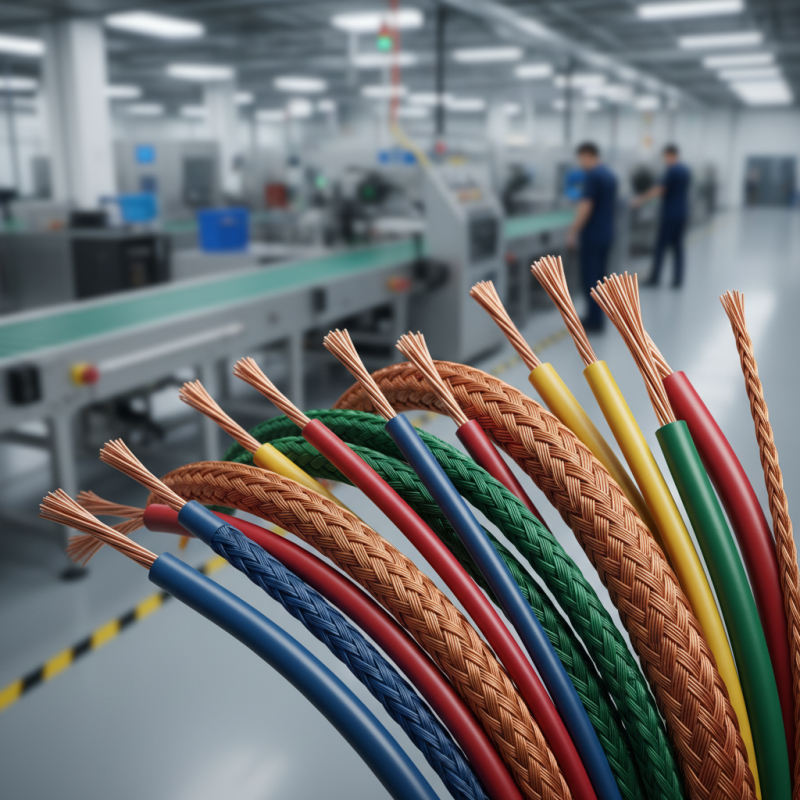
Top Trends in Copper Wire Braids for 2026 Global Market
In 2026, the trends in copper wire braids are set to evolve significantly. The demand for lightweight and flexible materials is rising. Manufacturers are focusing on innovation and sustainability. This shift is driven by the growing need for efficient energy transmission in various industries. Applications range from electronics to automotive sectors. Users are increasingly seeking products that offer superior conductivity and durability.
Tips: When choosing copper wire braids, look for eco-friendly manufacturing processes. Check for certifications that ensure quality and sustainability. Performance testing is crucial. Conduct thorough research on the materials used. Engaging with industry professionals can provide valuable insights.
Another trend anticipated is customization. Buyers seek tailored solutions for specific applications. The option for thicker or thinner braids will become more common. However, balancing quality and cost remains a challenge. Manufacturers must maintain rigorous quality standards while managing production costs. Continuous improvement in designs and materials will be essential.
Key Manufacturers and Their Innovations in Copper Wire Braids
The market for copper wire braids is evolving quickly. In 2026, innovation will drive growth, especially from key manufacturers. Companies are focusing on enhancing conductivity and flexibility. These improvements cater to various industries, including automotive and electronics. New materials and designs are emerging, allowing for better performance and durability in challenging environments.
Tips: Consider how these innovations influence your needs. Evaluate the durability and conductivity requirements for your specific applications.
Manufacturers are experimenting with different braiding techniques and coatings. These methods enhance resistance to environmental factors. However, some designs may still be prone to wear under extreme conditions. This highlights the importance of thorough testing and validation.
Tips: Always prioritize suppliers with a proven track record. Review their testing methods and quality assurance processes.
As the industry progresses, collaboration among manufacturers and researchers is crucial. Sharing knowledge can lead to revolutionary advancements in wire braid technology. Yet, not all collaborations yield practical results. Continuous feedback and adaptation are necessary to achieve desired outcomes.
Tips: Stay informed about industry trends. Connect with experts who can provide insights on emerging technologies.
Applications of Copper Wire Braids in Various Industries
Copper wire braids play a crucial role in various industries due to their unique properties. They are known for excellent conductivity, flexibility, and resistance to corrosion. In electrical applications, these braids are often used as grounding connectors. This ensures safety by preventing electric shocks. When used in automotive wiring, they provide reliable connections for essential components.
In telecommunications, copper wire braids help shield sensitive cables from electromagnetic interference. This enhances signal quality and reduces data loss. Additionally, in aerospace, their lightweight nature is a significant advantage. They support critical functions without adding excessive weight. However, some industries face challenges with supplier reliability and material consistency. These issues require careful consideration and ongoing evaluation.
As applications expand, innovations are necessary. New manufacturing techniques and materials can improve performance and reduce costs. Alongside these advancements, the impact on the environment cannot be overlooked. Sustainable practices should be a priority to meet growing global standards. The evolution of copper wire braids may still require further exploration, but their importance remains undisputed in various sectors.
Market Forecast: Growth Potential for Copper Wire Braids by 2026
The copper wire braid market is set for significant growth by 2026. According to recent industry reports, this growth can be attributed to rising demand across various sectors. This includes telecommunications, automotive, and renewable energy. The market size is projected to reach USD 1.5 billion, reflecting a compound annual growth rate (CAGR) of 6.2%.
Sustainability is shaping the industry's future. Many manufacturers are shifting towards eco-friendly processes. However, not all companies are adapting at the same pace. The integration of advanced technologies remains a challenge. Additionally, fluctuating copper prices could impact overall profitability in the coming years. Buyers must navigate these complexities carefully.
Consumer preferences are evolving as well. There is a demand for versatile and high-performance products. This requires continuous innovation from manufacturers. The competition in the market is intense. Companies that fail to keep up may struggle to maintain their position. Insights from experts highlight the need for flexibility and quick adaptation to market changes.
Sustainability Practices in the Production of Copper Wire Braids
Sustainability practices in producing copper wire braids are gaining traction. Many manufacturers face challenges in sourcing ethically mined copper. Robust processes are essential. As global demand rises, the pressure to adopt eco-friendly methods intensifies.
One common approach is recycling copper. This reduces waste and conserves resources. However, recycling methods can vary significantly across regions. Some processes produce higher emissions than traditional mining. This discrepancy can undermine sustainability efforts. Collaboration among stakeholders becomes crucial.
Additionally, water usage in production remains a concern. Many facilities consume large volumes of water during testing and treatment. Finding alternatives is imperative. Further, transportation of raw materials adds to the carbon footprint. Implementing greener logistics can make a difference. Overall, while strides have been made, there's still a long road ahead for truly sustainable copper wire braid production.
Top Copper Wire Braids for Global Buyers in 2026 - Sustainability Practices
| Product Type |
Diameter Range (mm) |
Conductivity (%) |
Sustainability Certification |
Recyclability (%) |
Market Trend in 2026 |
| Flexible Copper Wire Braid |
0.5 - 5.0 |
99.99 |
ISO 14001 |
90 |
Increasing demand in electronics |
| Heavy Duty Copper Wire Braid |
1.0 - 8.0 |
99.95 |
OHSAS 18001 |
85 |
Stable growth in renewable energy |
| Ultra Fine Copper Wire Braid |
0.1 - 0.4 |
99.99 |
UL Certified |
95 |
High demand in precision instruments |
| Braided Copper Litz Wire |
0.2 - 3.0 |
99.97 |
RoHS Compliant |
80 |
Rising application in audio cables |
| Tinned Copper Wire Braid |
0.3 - 6.0 |
99.95 |
FSC Certified |
89 |
Consistent use in marine applications |
FAQS
: Look for eco-friendly processes and quality certifications. Performance testing is also very important.
Buyers want tailored solutions. Options for thickness are increasingly demanded.
They are commonly used in electronics and automotive sectors. These areas require efficient energy transmission.
Sourcing ethically mined copper is difficult. There are also issues with water usage and carbon emissions.
Recycling reduces waste but methods vary widely. Some recycling processes may harm sustainability goals.
Balancing quality and cost poses a challenge. Maintaining high standards is essential for success.
Engaging with experts can provide valuable insights. Their experience can help in making informed decisions.
Many facilities use large amounts during testing. Finding alternatives is becoming increasingly necessary.
The rising global demand for copper wire braids necessitates sustainable practices. Ethics are important for consumers.
Trends indicate a shift towards innovation and sustainability. Companies need to adapt to remain competitive.
Conclusion
The article "Top Copper Wire Braids for Global Buyers in 2026?" delves into the emerging trends and innovations within the copper wire braids market. It highlights the key trends expected to shape the industry by 2026, including advancements in manufacturing techniques and new applications across various sectors. The piece also examines the current landscape of key manufacturers who are pushing the boundaries of innovation in copper wire braids, enhancing performance and efficiency.
Furthermore, the article explores the broad applications of copper wire braids in industries such as telecommunications, automotive, and electronics, underscoring their significance in facilitating effective electrical connections. A market forecast outlines the growth potential for copper wire braids, indicating a promising trajectory fueled by increasing demand and technological progress. Lastly, sustainability practices in the production of copper wire braids are discussed, emphasizing the industry’s commitment to environmentally friendly methods that minimize waste and promote resource efficiency.

 Xingma