Sourcing the right Copper Earth Wire is crucial for any electrical project. This material is essential for grounding systems, ensuring safety and preventing electrical faults. When selecting copper wire, consider the gauge and length needed for your application. Reliable suppliers often provide high-quality options, but prices can vary widely.
Investing time in research will pay off. Look for manufacturers with a solid reputation in the industry. Their expertise can guide you in making informed decisions. Engage with experts or read reviews to understand the wire's performance in real-world applications. This due diligence helps avoid common pitfalls.
Remember that not all Copper Earth Wire is created equal. Some products may not meet safety standards. An unreliable source can lead to failures, compromising your project's integrity. Taking the time to assess vendor credibility will enhance your project's success and reliability.
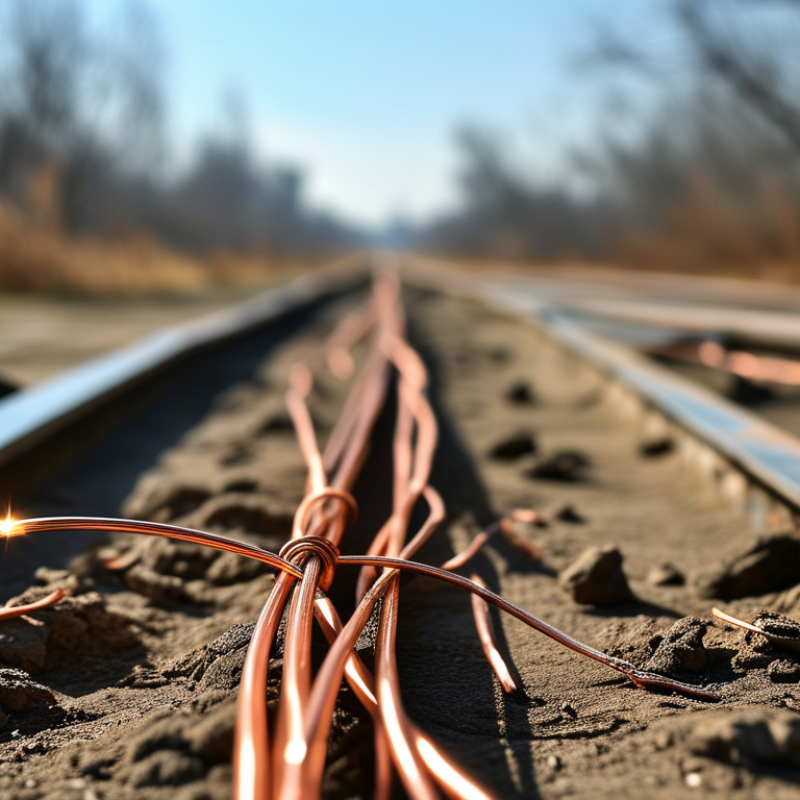
When sourcing copper earth wire, knowing the types available is crucial. There are primarily two categories:
solid copper wire and stranded copper wire.
Solid wire comprises a single conductor, making it ideal for permanent installations.
Stranded wire, on the other hand, consists of multiple thin strands, providing flexibility.
This flexibility allows for easier installation, especially in tight spaces or complex configurations.
It’s essential to consider the wire’s gauge, which affects conductivity and resistance.
Lower gauge numbers indicate thicker wire, which can carry more current.
However, thicker wire is less flexible and may require more effort to work with.
Assess your project’s specific needs;
sometimes, flexibility is more critical than current capacity.
Don’t overlook the importance of insulation.
Insulated copper earth wire is designed to protect against moisture and environmental factors.
The type of insulation used can vary, influencing both durability and cost.
Carefully evaluate your environment.
A standard wire may not suffice in harsh conditions.
Balancing between cost, durability, and installation ease is often a challenge in project planning.
Understanding these aspects can lead to better decision-making and successful project outcomes.
When sourcing copper earth wire for projects, several key factors influence its cost. Prices are heavily impacted by the global copper market. For instance, as reported by the International Copper Study Group, the price of copper has seen significant fluctuations over the past few years. In early 2022, prices reached around $4.50 per pound, but they dropped to approximately $3.50 per pound by the end of the year. Such volatility can affect project budgets.
Another factor is the wire's conductivity and purity. Higher purity copper wire typically costs more. According to industry reports, wire with 99.99% purity can be 20-30% more expensive than lower grades. This distinction impacts electrical efficiency and durability. Market demand also plays a crucial role. An increased focus on renewable energy projects has led to higher demand for copper. As of 2023, demand surged by 5%, according to the World Bureau of Metal Statistics.
Lastly, geographical location and shipping costs may add to overall expenses. Projects in remote areas face higher logistics costs, which can inflate the price of sourced materials. Each of these factors should be carefully considered to ensure project viability. Analyzing price trends and understanding sourcing challenges can guide more informed decisions.
When sourcing copper earth wire, understanding global suppliers is crucial. The copper market has witnessed significant growth, with a projected CAGR of 4.6% from 2022 to 2027. This growth translates to increased demand for high-quality copper wire. Key suppliers are often classified into regions, including Asia, Europe, and North America, each with its strengths.
Asia, particularly China, leads in copper production. According to the International Copper Study Group, China is responsible for nearly half of the world’s copper consumption. This dominance impacts pricing and availability. In Europe and North America, there are reputable manufacturers focused on sustainable and eco-friendly practices. These companies often emphasize the importance of compliance with international standards.
While many manufacturers claim quality, not all meet the same criteria. Verifying the credibility of suppliers is essential. Checking for certifications and past performance can be challenging. Some businesses may cut corners, affecting the integrity of the wire. Testing products before large-scale procurement often reveals discrepancies that initial research might overlook. Engaging with industry reports and networking at trade shows can provide deeper insights into reliable sources.
When sourcing copper earth wire for projects, it’s essential to understand the standards and regulations governing its use. Countries have distinct specifications. Familiarize yourself with local requirements. These regulations often dictate wire size, conductivity, and insulation type. Compliance minimizes risks of electrical faults.
Quality assurance is vital when sourcing. Seek wires that meet relevant industry regulations, such as IEC standards. Look for certifications indicating the wire's reliability in various environments. Consider the wire's thermal and mechanical performance, especially for outdoor applications. However, over-emphasizing certain factors may lead to oversight on more critical aspects.
Testing procedures should not be overlooked. Ensure samples undergo rigorous evaluation. The testing should reflect actual conditions the wire will face. Vendors may provide documentation ensuring quality. Yet, ensure those documents come from credible sources. Misleading information can lead to dangerous outcomes. Regularly audit suppliers to maintain standards. Contemplate your sourcing strategy and refine it accordingly.
Sourcing copper earth wire requires a commitment to sustainability. The copper industry is increasingly scrutinized for its environmental impact. According to a 2022 report by the International Copper Association, about 80% of global copper production contributes to excessive carbon emissions. If sourcing from countries with less strict regulations, the damage can be even worse.
It’s crucial to consider the lifecycle of copper. Recycled copper wire has a 90% lower environmental impact compared to newly mined copper. This statistic highlights the importance of using recycled material in projects. By prioritizing recycled sources, we are minimizing harm to our ecosystems.
However, the recycling process is not always straightforward. Quality can vary, and recycled copper may require additional testing. This aspect raises questions about the reliability of recycled sources. Not all suppliers maintain the same standards, which necessitates due diligence in sourcing decisions. Engaging with suppliers that emphasize transparency in their practices helps ensure that projects are not just efficient but also responsible.
| Source Type | Sustainability Rating | Cost per Meter ($) | Recycled Content (%) | Certifications |
|---|---|---|---|---|
| Local Suppliers | A | 0.85 | 70 | ISO 14001 |
| Online Marketplaces | B | 0.75 | 50 | No certs |
| Recycled Copper Wires | A+ | 0.95 | 100 | ECOLOGO, RoHS |
| Industrial Scrap Dealers | B+ | 0.65 | 60 | No certs |
| Manufacturers | A | 1.00 | 30 | ISO 9001, ISO 14001 |
: The two types are solid copper wire and stranded copper wire.
Solid wire has a single conductor, which offers stability for long-term use.
Stranded wire has multiple thin strands, providing greater flexibility for installation.
Lower gauge numbers indicate thicker wire, which can carry more current but is less flexible.
Insulation protects against moisture and environmental factors, influencing durability.
Evaluate the environment; harsh conditions may require more robust insulation options.
Not all manufacturers meet quality standards; verifying helps ensure product integrity.
Testing products before large-scale procurement can reveal issues that research might miss.
Asia, especially China, dominates global copper production and consumption.
Balancing cost, durability, and ease of installation often complicates project decisions.
The article "How to Source Copper Earth Wire for Your Projects" provides a comprehensive guide on sourcing copper earth wire effectively. It begins by exploring the various types of copper earth wire available in the market, detailing their specific applications and characteristics. The article also discusses several factors that influence the cost of copper earth wire, such as market demand, quality, and sourcing methods, which are crucial for project budgeting.
Furthermore, key suppliers and manufacturers of copper earth wire are highlighted, offering insights into global sourcing opportunities. The article emphasizes the importance of adhering to relevant standards and regulations to ensure compliance and safety in sourcing practices. Lastly, sustainability considerations are discussed, showcasing the need for responsible sourcing that minimizes environmental impact while fulfilling project requirements. Overall, this guide serves as an essential resource for those involved in projects requiring copper earth wire.

Xingma