When selecting Copper Braided Wire, understanding your needs is crucial. According to industry expert, Mark Smith, “Choosing the right copper braided wire can make or break your project's success.” This highlights the significance of informed decision-making in this field.
Copper Braided Wire is widely used in various applications, from electrical connections to automotive industries. Its flexibility and excellent conductivity make it a popular choice. However, not all copper wires are created equal. Factors like wire gauge, strand count, and coating material can impact performance.
Choosing the wrong copper braided wire can lead to inefficiencies or even equipment failure. One must consider specific requirements and the environment of use. In this evolving industry, gathering reliable information is essential. Access to quality resources will help in making the best choices. Remember, the right decision today influences your future success.
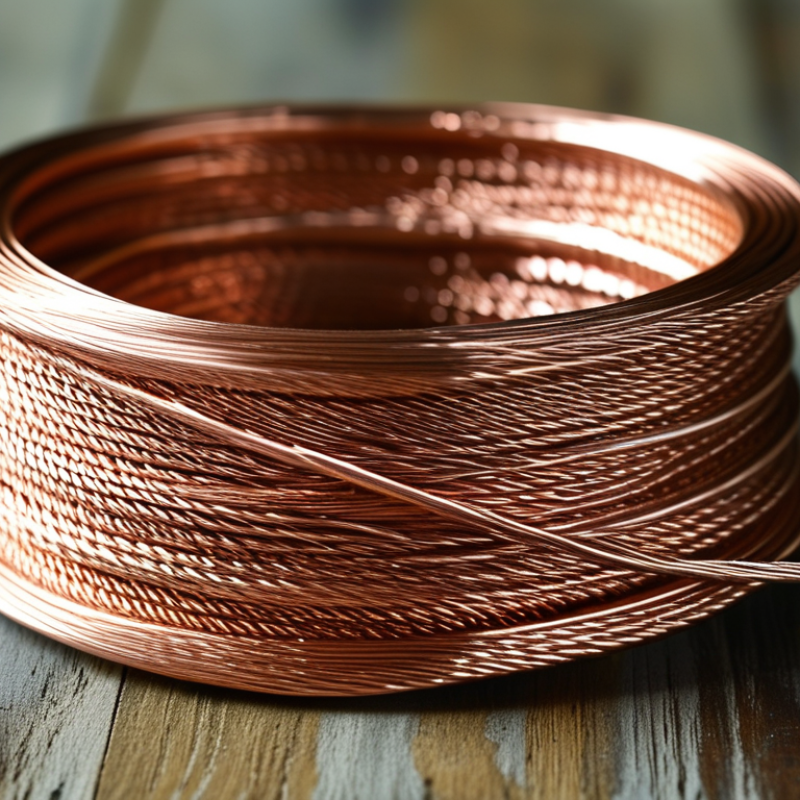
Understanding the Basics of Copper Braided Wire and Its Applications
Copper braided wire is a versatile and essential component used across various industries. Its unique properties make it ideal for many applications, particularly in electrical and electronic sectors. The conductivity of copper braided wire is approximately 60% higher than that of aluminum, allowing for more efficient energy transmission.
When selecting copper braided wire, understanding wire specifications is crucial. This includes factors such as gauge size, tensile strength, and flexibility. A recent industry report by the International Electrotechnical Commission noted that up to 70% of electrical failures are linked to poor wiring connections. Copper's ability to endure mechanical stress makes it favorable in dynamic environments like robotics and automotive applications.
The applications of copper braided wire extend beyond traditional wiring. It is commonly used in grounding systems and RF shielding. Data from the IEEE reveals that using copper in these applications reduces electromagnetic interference by as much as 90%. However, oversizing or using inappropriate braids can lead to inefficiencies or heat build-up, highlighting the importance of careful selection based on specific needs.
Identifying Key Factors When Selecting Copper Braided Wire
When selecting copper braided wire, certain key factors are critical to ensure optimal performance. One essential aspect is the wire’s current-carrying capacity. According to a report by the Institute of Electrical and Electronics Engineers (IEEE), properly sized copper braids can carry up to 1000 Amps per square inch. This capacity can vary based on environmental conditions such as temperature and insulation. Thus, considering the application environment is vital.
Another factor is the braid composition. The percentage of stranding in the wire affects flexibility and conductivity. Research suggests that 60%-70% conductivity is optimal for most applications. However, some manufacturers might not provide clear details, leading to potential choices that lack efficiency. Testing samples in real-world conditions can provide insights into the wire’s actual performance.
Cost is another consideration, but price alone should not dictate the choice. Higher quality braids may have a higher initial investment but can lead to lower long-term maintenance expenses. In one industry study, low-quality wires resulted in 30% more failures over two years. Investing in quality can mitigate these risks, ensuring reliability in crucial applications where performance cannot be compromised.
Top Tips for Choosing Copper Braided Wire for Your Needs
| Key Factor |
Description |
Recommendation |
| Wire Gauge |
Determine the appropriate gauge based on the current carrying capacity you require. |
Choose a larger gauge for higher current applications to prevent overheating. |
| Stranding |
Look for the number of strands; more strands often mean more flexibility. |
Consider using multi-strand wires for applications requiring bending and movement. |
| Conductor Type |
Identify whether you need bare or tinned copper for corrosion resistance. |
Opt for tinned copper in humid environments to enhance longevity. |
| Temperature Rating |
Check the wire's temperature ratings to ensure it meets your application's requirements. |
Select wires with a higher temperature rating for industrial applications. |
| Flexibility |
Consider the flexibility of the wire if it will be used in tight spaces or moved frequently. |
Choose wires with high flexibility for dynamic applications. |
| Price |
Evaluate the cost per meter of wire versus the quality and specifications required. |
Balance cost with quality; sometimes paying more upfront saves money on replacements. |
Evaluating the Specifications: Gauge, Stranding, and Flexibility
When selecting copper braided wire, understanding specifications like gauge, stranding, and flexibility is crucial. The gauge refers to the wire's thickness. A lower gauge number means a thicker wire. Thicker wires generally handle more current but may be less flexible. Assess what you need for your specific application. A thicker wire could be essential for high-power devices, while a thinner wire might suffice for sensitive electronics.
Stranding is the next consideration. Wires can be made of multiple strands of copper or just one solid piece. Stranded wire offers greater flexibility. This is particularly useful in applications that require frequent movement or bending. On the other hand, solid wire can provide more stability in fixed installations. Evaluate how much movement your application involves.
Another aspect is flexibility itself. You might find some wires difficult to work with. Flexibility can influence installation and overall effectiveness. Not all applications require the same level of flexibility. Consider your specific needs. A balance between strength and malleability will ensure optimal performance. Think about how these factors interact with your project requirements. Each choice can significantly impact your results.
Top Tips for Choosing Copper Braided Wire
Comparing Different Types of Copper Braided Wire Available in the Market
When selecting copper braided wire, understanding the different types available in the market is crucial. There are variations in wire size, braid density, and material quality. Standard copper braids offer a good balance of conductivity and flexibility. However, higher-density braids can provide improved performance for demanding applications.
Consider the specific needs of your project. If you require flexibility, a thinner braid might suit your needs. Conversely, for high conductivity and strength, thicker options could be more appropriate. Some users overlook the importance of insulation and corrosion resistance in specific environments. This can lead to unexpected failures in the long run.
The environment also plays a significant role in the wire's performance. In damp or corrosive conditions, choosing the right coating or finish is necessary. Users often forget to consider these factors. Reflecting on past projects can help inform your choice. This ensures you don’t repeat mistakes and select the most effective copper braided wire for your application.
Maintenance and Care Tips for Longevity of Copper Braided Wire
Taking care of copper braided wire is essential for its longevity. Regular inspections help identify any signs of wear or corrosion. Look for discoloration or fraying. These can indicate that the wire is nearing the end of its usable life. Keeping the wire clean is crucial. Dust and debris can easily accumulate, leading to conductivity issues. Wiping the wire with a damp cloth can help maintain its performance.
Storage also plays a significant role in the lifespan of copper braided wire. Store it in a cool, dry place. Avoid areas with high humidity. Exposure to moisture can lead to rust and oxidation. Using protective enclosures or bags can be an excellent way to safeguard the wire. However, be mindful of materials that may retain moisture.
While it’s important to maintain the wire, sometimes mistakes happen. Over-tightening connections can damage the wire. Regularly review all connections to ensure they are secure but not overly tight. Taking small actions can greatly enhance durability. Planning for the unexpected is part of good maintenance.
Conclusion
Copper Braided Wire is a versatile electrical conductor known for its excellent conductivity and flexibility, making it suitable for various applications, from electrical connections to grounding systems. Understanding the basic properties of Copper Braided Wire, such as its gauge, stranding, and flexibility, is essential for selecting the right product for specific needs.
When choosing Copper Braided Wire, it’s crucial to consider factors like the intended application, environmental conditions, and maintenance requirements to ensure longevity. Different types available in the market can cater to diverse requirements, so evaluating these specifications will help in making an informed decision. Regular maintenance and care practices can further enhance the durability and performance of Copper Braided Wire, thus maximizing its effectiveness in various applications.

 Xingma