When selecting a suitable Flat Copper Braid for your projects, expert insights can make a significant difference. Renowned electrical engineer Dr. Emily Johnson once remarked, "The quality of your materials can define the success of your project." This statement rings true in the world of Flat Copper Braid, where quality and specifications are paramount.
Flat Copper Braid serves a variety of industrial applications, including grounding and bonding. The right choice can impact conductivity and durability. Many people overlook key factors when making their selection. For instance, the braid's cross-sectional area must match the electrical requirements of the project. Often, customers focus solely on price, rather than the quality of the braid.
Choosing the right Flat Copper Braid can also pose challenges. Consider the operating environment, load conditions, and thermal performance. A common mistake is assuming one size fits all. Each project has unique requirements, and understanding these can lead to more effective solutions. Reflecting on these details may lead to better decisions and project outcomes.
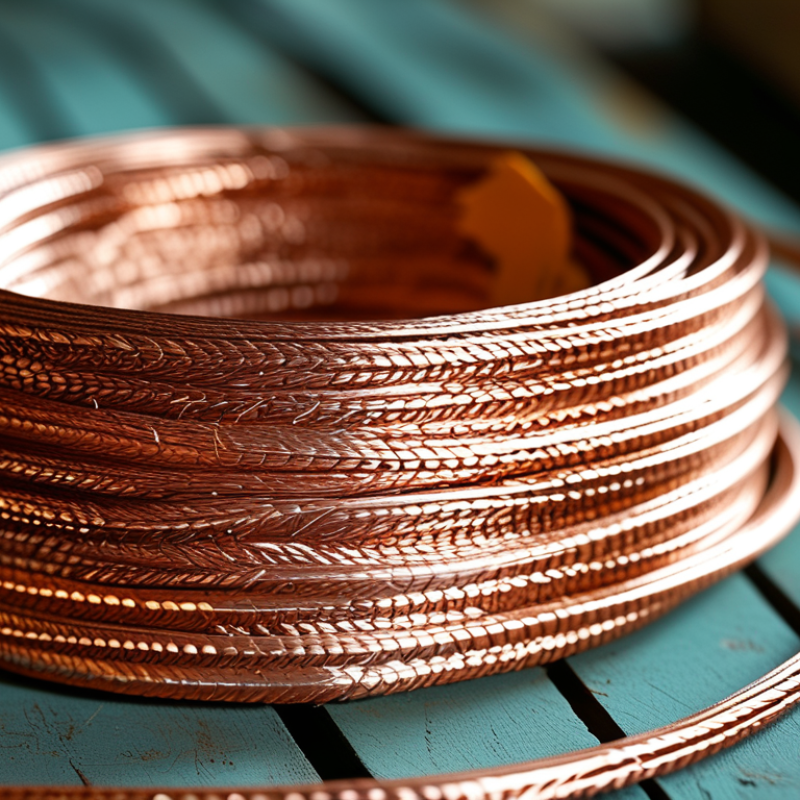
Understanding the Basics of Flat Copper Braid and Its Applications
Flat copper braid is a vital component in various electrical and electronic applications. Its unique properties make it an ideal choice for grounding and bonding. High conductivity is one reason it is widely used in industries. According to a recent market analysis, the demand for copper products, including flat copper braid, is expected to grow by 4% annually through 2025. This underscores its significance in the production of reliable electrical systems.
When selecting flat copper braid, consider its application. For high-frequency applications, thinner weaves with finer strands offer lower inductance. Conversely, applications with higher current needs demand thicker braids. Understanding the specific requirements of your project is crucial. This knowledge helps prevent overspending on unnecessary specifications.
Choosing the right braid also involves testing for flexibility and strength. Weak connections can lead to equipment failure. Watch for signs of wear in environments with high movement. A proactive approach ensures that your projects maintain their integrity over time. Whether working on electrical panels or automotive applications, applying these tips will lead to better performance and reliability in your finished products.
Evaluating the Right Specifications for Your Project's Needs
Choosing the right flat copper braid for your projects requires careful consideration. Focus on specifications that match your project’s requirements. Begin by assessing the current carrying capacity. Each application has different needs. Too little capacity can lead to overheating. Conversely, excessive capacity may be unnecessary and costly.
Another key factor is the braid’s flexibility. Some projects require tight bends or twists. If the braid is too rigid, it can break or become damaged during installation. Look for options that offer a balance between strength and flexibility. Also, consider the environmental conditions. Will the braid be subject to moisture or chemicals? Such factors can affect its longevity.
Lastly, check the braid’s width and thickness. These dimensions impact both performance and compatibility with other components. Wider braids can handle more current, but may not fit all spaces. Testing different specifications can be an insightful approach. Experiment with various options and observe the outcomes. Sometimes, the best choice is one that evolves through practical trial and error.
Analyzing the Different Gauge Sizes and Their Impact on Performance
When selecting flat copper braid for your projects, understanding gauge sizes is critical. Gauges range from very fine to very thick. Thicker braid has lower resistance, making it ideal for power applications. However, using thicker braid might be impractical in tight spaces. Each gauge impacts performance differently, determining flexibility and conductivity.
Copper braid operates effectively in varying conditions. A lighter gauge can be easier to handle. Yet, it may not support high current loads as efficiently as heavier options. This choice can lead to overheating issues in demanding applications. Sometimes, people overlook these details and face unexpected failures. Adapting your gauge selection to specific needs is essential.
Balancing performance with flexibility is challenging. It’s important to assess the specific requirements of your project. For instance, if a project demands maneuverability, a thinner braid might be preferable. Yet, if the focus is on durability and conductivity, going heavier can be beneficial. Striking this balance requires careful consideration.
Performance of Different Gauge Sizes of Flat Copper Braid
Comparing Various Materials and Coatings Available for Flat Copper Braid
When selecting flat copper braid for your projects, understanding the available materials and coatings is essential. Copper itself is an excellent conductor, making it a popular choice. Yet, the type of copper used can vary. Pure copper offers high conductivity, but it may not withstand harsh environments. You might consider tinned copper. The tin coating enhances corrosion resistance, prolonging the braid's life.
Different coatings can significantly impact performance. For instance, nickel coatings provide excellent durability and protection against oxidation. They can withstand high temperatures, making them suitable for various applications. However, a nickel coating may slightly reduce conductivity compared to pure copper. Also, the thickness of the braid matters. Thicker braids provide better current carrying capacity. However, they may be stiffer and less flexible, which could complicate installation. Understanding these details will help you choose the right flat copper braid for your specific needs.
Top 10 Tips for Choosing Flat Copper Braid for Your Projects
| Tip |
Material Type |
Coating Options |
Applications |
Conductivity Rating |
| 1. Assess the environment |
Oxygen-free Copper |
Tin Plating |
High-frequency applications |
100% conductivity |
| 2. Determine flexibility needs |
Standard Copper |
Nickel Coating |
General wiring |
98% conductivity |
| 3. Check gauge size |
Bare Copper |
Gold Plating |
Signal transmission |
99% conductivity |
| 4. Evaluate thermal properties |
Tinned Copper |
Silver Plating |
Connector leads |
95% conductivity |
| 5. Ensure corrosion resistance |
Zinc Plated Copper |
Polymer Coating |
Outdoor applications |
90% conductivity |
| 6. Review mechanical strength |
Alloy Copper |
Epoxy Coating |
Heavy-duty applications |
92% conductivity |
| 7. Assess weight considerations |
Lightweight Copper |
None |
Portable electronics |
99% conductivity |
| 8. Consider electromagnetic interference |
Shielded Copper |
Foil Shielding |
Sensitive equipment |
97% conductivity |
| 9. Verify industry standards |
High-Purity Copper |
Environmental Coating |
Aerospace applications |
99.5% conductivity |
| 10. Budget your project |
Cost-effective Copper |
Basic Coating |
General purpose |
85% conductivity |
Identifying Trusted Suppliers and Quality Assurance Practices
When selecting flat copper braid for your projects, choosing trusted suppliers is crucial. According to industry reports, over 70% of project failures stem from subpar materials. Ensuring your supplier has a solid reputation can save you from costly mistakes. Certifications, such as ISO 9001, indicate adherence to quality management practices. This is essential for maintaining the integrity of your projects.
Additionally, quality assurance practices play a vital role. Reliable suppliers often perform rigorous testing on their products. Metrics like conductivity and tensile strength are critical for flat copper braid applications. Suppliers should provide test reports to verify these specifications. Ensure that the braid you choose meets established industry standards, which can enhance performance and longevity.
It's wise to examine past customer feedback. Reviews can reveal common issues and highlight reliable suppliers. Look for consistency in quality and customer service. Remember, not all suppliers are equal. A flawed product can lead to operational failures, so thorough vendor evaluation is necessary.
Conclusion
Flat Copper Braid is a versatile component widely used in various electrical applications due to its excellent conductivity and flexibility. Understanding the basics of Flat Copper Braid is crucial for selecting the right product for your project. Key factors to consider include its specifications, gauge sizes, and the impact these have on performance. Evaluating the material options and coatings available can also enhance the braid's durability and efficiency.
Moreover, sourcing from trusted suppliers and ensuring quality assurance practices are essential steps in the procurement process. By focusing on these aspects, you can optimize your choice of Flat Copper Braid, ensuring it meets your project's specific requirements and delivers reliable results.

 Xingma