Bare Copper Wire is essential in various industries, showcasing its versatility and reliability. The global market for copper wire is projected to exceed $30 billion by 2025. This growth is driven by rising electrical applications and renewable energy projects. Notably, Bare Copper Wire is the preferred choice for electrical connections due to its excellent conductivity and durability.
Reports indicate that the construction sector significantly boosts demand for Bare Copper Wire. For instance, one report states that building construction will represent more than 36% of the total copper market share. Its use in grounding applications further highlights its importance in electrical safety. Companies rely on Bare Copper Wire to ensure compliance with safety standards.
However, challenges remain in the market. The fluctuating prices of copper can impact manufacturing costs. Buyers often seek bulk purchasing options to mitigate these fluctuations. Understanding the top uses of Bare Copper Wire can help global buyers navigate these complexities effectively. It ensures they make informed decisions and acquire quality products that meet their needs.
Applications of Bare Copper Wire in Electrical Wiring Solutions
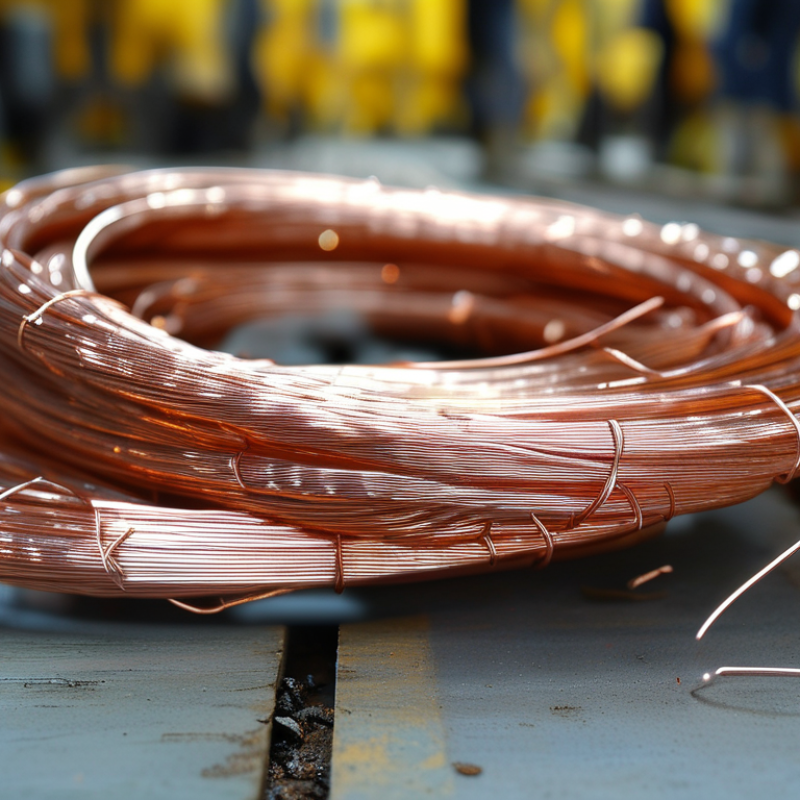
Bare copper wire is a vital component in electrical wiring solutions. Its excellent conductivity is perfect for transferring electrical signals. This property makes it a popular choice in residential and commercial wiring systems. Many architects and electricians appreciate its reliability in ensuring efficient circuit performance.
In addition to basic wiring, bare copper wire serves various applications. It is essential in grounding systems, protecting equipment from voltage spikes. Many professionals use it for automotive wiring, where durability is crucial. Its flexibility allows for easy manipulation during installation. However, working with bare copper also requires caution, as corrosion can occur if not properly maintained.
Some may overlook the importance of insulation in certain applications. While bare copper provides superior conductivity, it is not always ideal in environments with high moisture. Such conditions may lead to reduced lifespan and increased safety risks. Thus, continual assessment of its suitability in various scenarios is needed to ensure optimal performance.
Utilization of Bare Copper Wire in Grounding and Bonding Systems
Bare copper wire is integral in grounding and bonding systems. Its high conductivity makes it a preferred choice for electrical applications. This metal efficiently dissipates electrical currents, ensuring safety in residential and industrial setups. Grounding systems protect both people and equipment from electrical faults. Without proper grounding, serious hazards can arise.
When integrating bare copper wire, consider the environment. Corrosion may occur in humid or chemical-laden areas. Regular inspections help identify potential issues early.
Tips: Choose the right gauge for your application. Thicker wires can handle higher currents but may be more challenging to install. Always follow local codes and regulations when installing grounding systems. Adequate bonding minimizes potential differences in electrical systems, enhancing safety and performance.
Role of Bare Copper Wire in Telecommunications and Data Transmission
Bare copper wire plays a crucial role in telecommunications and data transmission. Its unique conductivity allows signals to travel efficiently over long distances. In an era where data transfer speed is vital, bare copper wire remains a top choice for many systems. The ability of copper to carry high-frequency signals enhances the performance of communications networks.
In telecommunications, bare copper wire is frequently used for phone lines and broadband connections. Its low resistance minimizes signal loss, providing clearer audio and faster internet speeds. Additionally, copper is durable, which means it can withstand harsh environmental conditions. However, it can oxidize over time, which can affect performance. Regular maintenance is essential to ensure optimal functioning.
Moreover, bare copper wire is indispensable in data centers. It connects servers and networking equipment, enabling seamless data flow. While copper wire is reliable, it should be properly shielded to prevent interference. This adds complexity to installations but is necessary for maintaining the integrity of data transmission. Finding a balance between performance and cost can be challenging for global buyers.
Top 10 Uses of Bare Copper Wire for Global Buyers
| Use Case |
Description |
Industry |
Key Benefits |
| Telecommunications |
Used for communication cabling due to excellent conductivity. |
Telecom |
High-speed data transfer, reliability. |
| Electrical Wiring |
Commonly used in residential and commercial electrical systems. |
Construction |
Durability, excellent conductivity. |
| Data Transmission |
Facilitates high-speed data transfer in networking. |
IT |
Minimizes signal loss, efficient performance. |
| Grounding |
Provides electrical grounding for safety in installations. |
Electrical Safety |
Prevents electrical shocks, enhances safety. |
| Electronics Manufacturing |
Used in the production of circuit boards and components. |
Electronics |
Improves circuit performance, enhances product quality. |
| Renewable Energy |
Used in solar panel connections and wind turbine wiring. |
Energy |
Sustainable energy transmission, efficiency. |
| Robotics |
Wiring for motor control systems. |
Manufacturing |
Precision control, enhanced productivity. |
| HVAC Systems |
Wiring for heating, ventilation, and air conditioning systems. |
HVAC |
Effective performance, energy efficiency. |
| Automotive |
Used in electrical systems of vehicles. |
Automotive |
Reliability, improved conductivity. |
| Marine Applications |
Used in wiring for boats and marine equipment. |
Marine |
Corrosion resistance, durability in harsh environments. |
Integration of Bare Copper Wire in Construction and HVAC Systems
Bare copper wire plays a crucial role in construction and HVAC (Heating, Ventilation, and Air Conditioning) systems. One primary use is in electrical wiring. Its excellent conductivity makes it ideal for power transmission. In residential and commercial buildings, reliable electrical systems are essential. Poor wiring can lead to inefficiencies and safety hazards.
In HVAC systems, bare copper wire often connects various components. For instance, it links compressors, condensers, and evaporators. This connection is vital for ensuring optimal performance. However, installing bare copper wire requires expertise. Improper installation can lead to malfunctions.
Thermal conductivity is another factor in HVAC applications. Copper wires can handle the heat generated by systems, helping prevent overheating. Yet, challenges exist. Weather and moisture can corrode copper, leading to failures over time. Regular inspections are necessary. Planning for maintenance helps ensure long-lasting performance. Consideration of these factors is essential in harnessing the full potential of bare copper wire in these vital systems.
Environmental Benefits of Using Bare Copper Wire in Renewable Energy Projects
Bare copper wire plays a crucial role in renewable energy projects. Its high conductivity makes it ideal for electrical applications. In solar installations, copper efficiently transfers electricity generated from sunlight. This reduces energy loss and enhances overall system performance. Furthermore, copper is recyclable, contributing to sustainability goals in these projects.
Using bare copper wire also has environmental advantages. The extraction and processing of copper have a lower carbon footprint compared to other materials. This can lead to greener project outcomes. It allows for a significant reduction in waste as it can be repurposed after its initial use. However, challenges exist in sourcing high-quality, ethically mined copper.
Despite its benefits, reliance on copper does raise questions. The demand for bare copper wire can lead to over-extraction. This might harm ecosystems and communities. Continuous dialogue about sustainable practices is essential. Balancing the need for copper in renewable energy with environmental stewardship is a complex task. Identifying these issues is the first step toward responsible usage.
FAQS
: Bare copper wire is essential for dissipating electrical currents, ensuring safety in residential and industrial setups.
The right gauge ensures safety; thicker wires handle higher currents but are harder to install.
In humid or chemical-rich areas, copper may corrode. Regular inspections can help manage this issue.
Its high conductivity reduces energy loss and is recyclable, contributing to sustainability efforts.
Over-extraction may harm ecosystems and communities, raising questions about sustainable practices.
Engaging in continuous dialogue about ethical sourcing and sustainable practices is crucial.
Serious hazards can arise, endangering both people and equipment in the environment.
Yes, it can be repurposed, reducing waste and contributing to environmental sustainability.
Yes, finding high-quality, ethically mined copper can be difficult but necessary for responsible usage.
Adequate bonding minimizes potential differences, enhancing safety and overall performance.
Conclusion
Bare Copper Wire is an essential component across various industries, offering a wide range of applications. In electrical wiring solutions, it provides efficient conductivity, ensuring reliable power distribution. Additionally, its utilization in grounding and bonding systems enhances safety by preventing electrical surges. The telecommunications and data transmission sectors benefit from Bare Copper Wire's superior performance in signal integrity, enabling faster and more reliable communications.
Moreover, Bare Copper Wire plays a significant role in construction and HVAC systems, where it is used for efficient energy management and system reliability. Its environmental benefits are increasingly recognized in renewable energy projects, as it promotes sustainability and reduces carbon footprints. Overall, the versatility and effectiveness of Bare Copper Wire make it a vital material for global buyers looking to enhance their products and processes.

 Xingma