Frequently Asked Questions
QWhat is the difference between bare, tin-plated, and silver-plated copper?
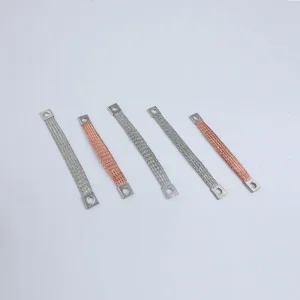
Bare copper offers standard conductivity and cost-effectiveness. Tin-plated copper provides improved oxidation resistance and solderability for humid environments. Silver-plated copper delivers the lowest contact resistance and superior high-frequency performance for precision electronics.
QCan the braided copper wire be customized in size and shape?
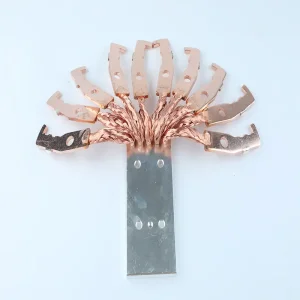
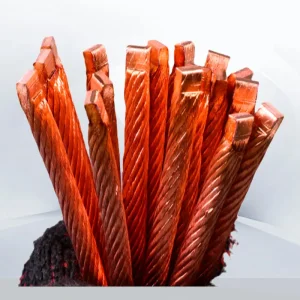
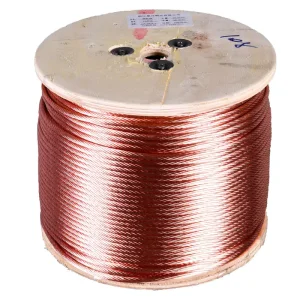
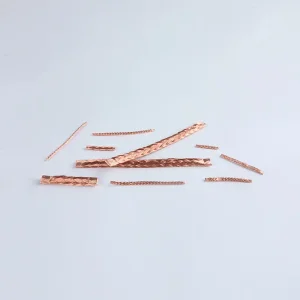
Yes. Full customization is available including conductor cross-section (mm²), individual wire diameter (0.05–0.15 mm), strand count, spindle configuration, and cross-sectional shapes such as round, flat, or oval.
QWhich industries use these flexible connectors most commonly?
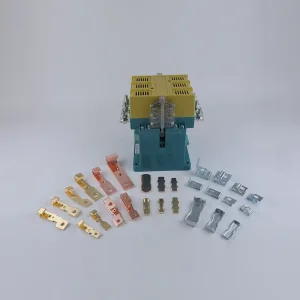
They are widely used in power & energy, rail transit, industrial automation, robotics, solar/wind energy, marine equipment, and smart building facilities requiring vibration-resistant connections.
QHow does the braided structure improve flexibility?
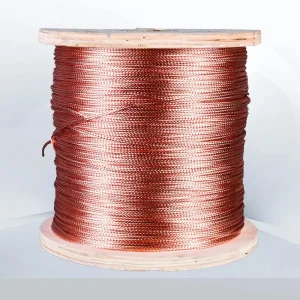
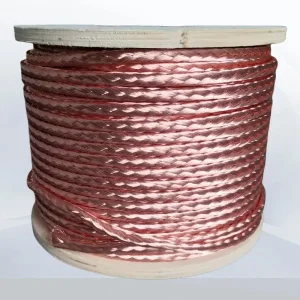
The structure consists of thousands of ultra-fine wires (down to 0.05 mm), allowing bending radii as small as 5–10× the diameter. This design distributes mechanical stress evenly, enabling millions of bending cycles without fatigue.
QWhat protective options are available for harsh environments?
Options include PVC or silicone sleeves for insulation, metal shielding for EMI resistance, and high-temperature coatings rated from −40°C to +120°C to resist salt spray, oil, and humidity.
QWhat is the resistivity of the copper used?
We use high-purity T1/T2 electrolytic copper with a resistivity of ≤0.0175 Ω·mm²/m. This ensures minimal energy loss as heat, efficient power delivery, and stable operating temperatures.
 Xingma