 Xingma
1 / 3
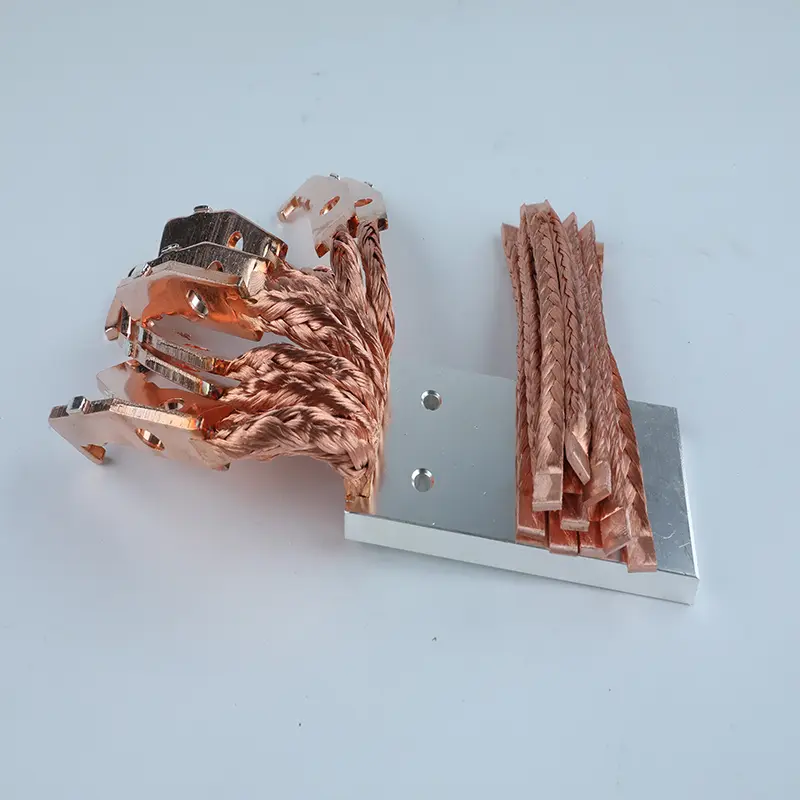
High-purity electrolytic copper wire (mainly T1/T2 red copper) with high conductivity (resistivity ≤0.0175 Ω·mm²/m), thermal conductivity, and oxidation resistance for low-loss current transmission and stable connection temperature.
Tin-plated copper (better soldering), silver-plated copper (enhanced high-frequency conductivity & corrosion resistance), or antioxidant coatings for special needs.
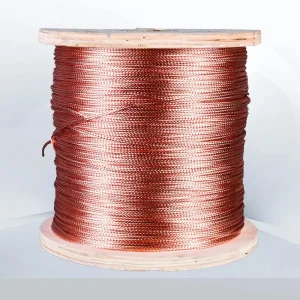
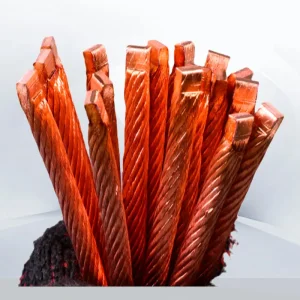
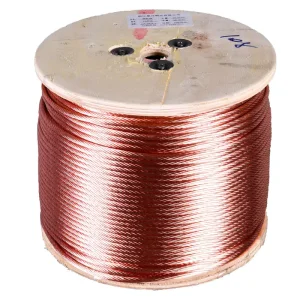
Hundreds to thousands of fine copper wires (diameter 0.05–0.3 mm) twisted into a dense, uniform bundle with specific lay direction (left/right).
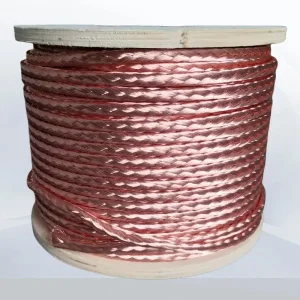
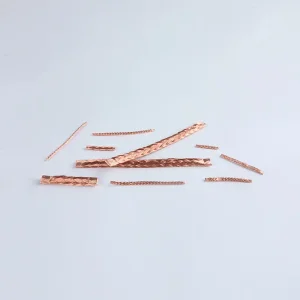
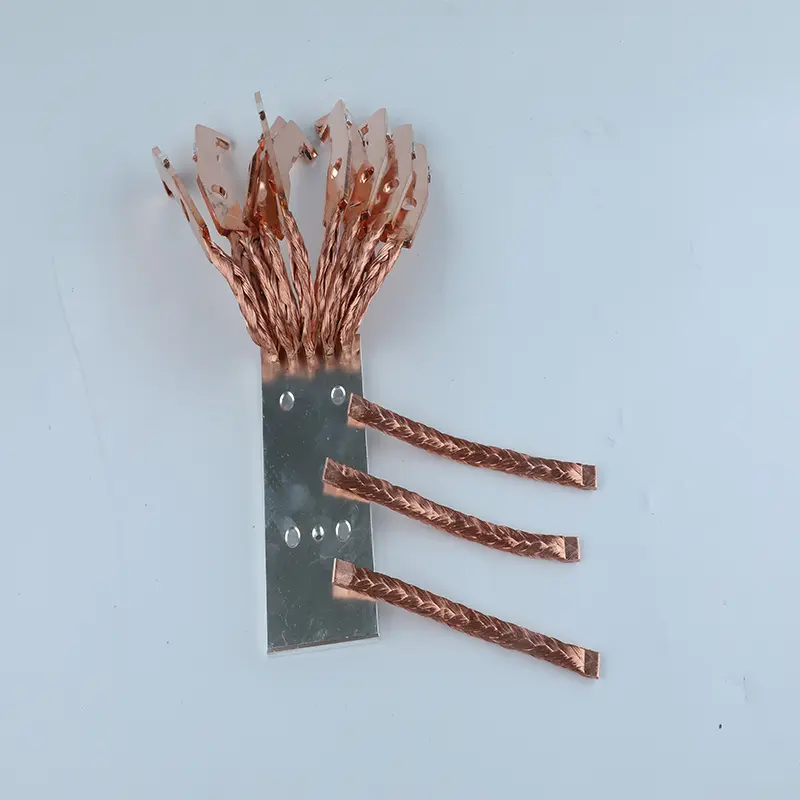
Precision-braided by machines (8/12/24/32/48 spindles) into mesh, tube, or custom shapes (e.g., flat/oval). Adjust density and strand count to balance flexibility with required tensile strength and deformation resistance.
Bare copper (standard), tin-plated (anti-oxidation + soldering), or silver-plated (low-resistance + corrosion resistance).
PVC/silicone sleeves (insulation), metal shielding (EMI resistance), or high-temperature coating (-40°C to +120°C).
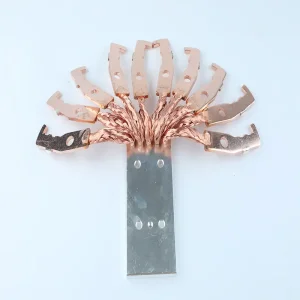
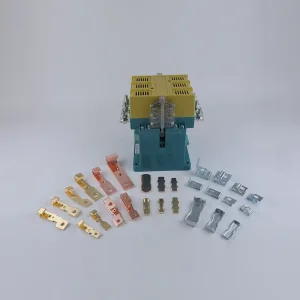
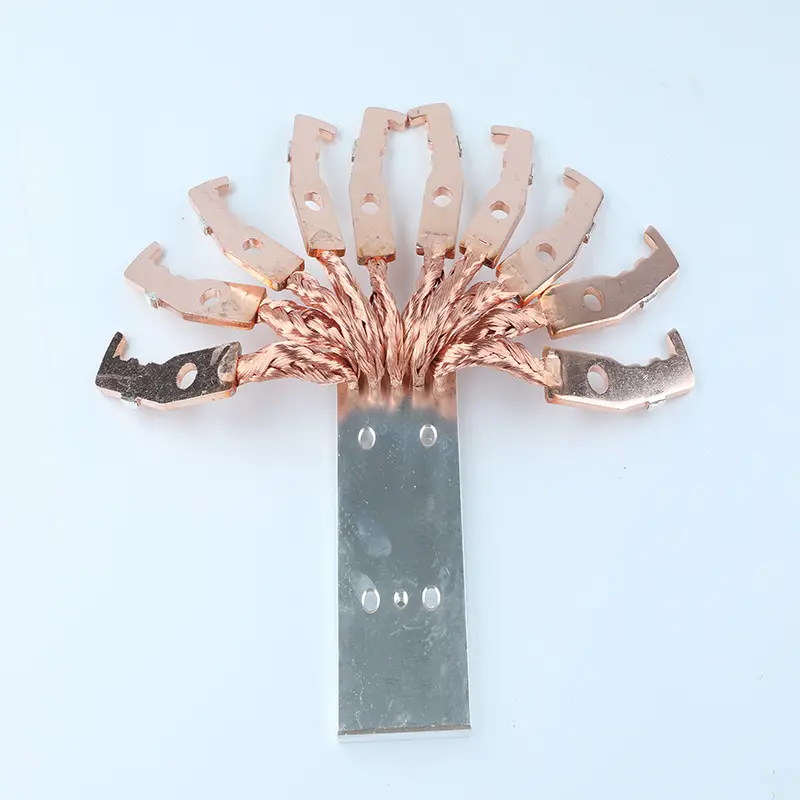
Transformer flexible leads, dynamic connections for high/low voltage cabinets, soft busbar transitions, flexible conductive paths for welding machines/electrolysis equipment.
Pantograph flexible connections, inter-car power/signal harnesses, dynamic conductive components for EV battery modules.
Conductive circuits for robotic joints, flexible motor connections, flexible sensor signal cables.
Flexible PV combiner connections, dynamic wind turbine pitch system conductors, flexible energy storage transitions.
Vibration-resistant electrical connections for engine rooms, corrosion-resistant conductive paths for marine equipment.
Sliding contact systems, flexible lighting power lines, concealed building conductive structures.
Braided structure enables tight bending (radius 5–10× wire diameter) and repeated torsion resistance, ideal for confined spaces, complex paths, or dynamic movement.
Copper core delivers near-solid-copper conductivity, ensuring stable transmission of high currents or weak signals with low heat generation and minimal energy loss.
Outperforms standard flexible wires in tensile strength and crush resistance, resists loosening or breaking during extended use, and supports high-cycle dynamic bending.
Precision-tailored to specs including conductor cross-section, strand diameter, braiding strand count, length, cross-sectional shape, and surface treatment combinations.
| Nominal CSA (mm²) | Structure | Rough Translation (km/kg) | |
|---|---|---|---|
| Total Number of Wires | Number of Strands × Number of Wires × Number of Cores / Nominal Diameter of Individual Wire | ||
| 0.55 | 280 | 8*35/0.05 | 5.33 |
| 0.65 | 336 | 8*42/0.05 | 6.30 |
| 0.75 | 384 | 8*48/0.05 | 7.27 |
| 0.90 | 456 | 8*57/0.05 | 8.72 |
| 1.00 | 512 | 8*64/0.05 | 9.69 |
| 1.50 | 768 | 8*96/0.05 | 14.53 |
| 2.00 | 1024 | 8*128/0.05 | 19.38 |
| 2.50 | 1280 | 8*160/0.05 | 24.22 |
| 3.00 | 1680 | 8*210/0.05 | 29.06 |
| 4.00 | 2048 | 8*256/0.05 | 38.75 |
| 6.00 | 3072 | 8*384/0.05 | 58.13 |
| 10.00 | 1280 | 8*160/0.1 | 98.67 |
| 16.00 | 2040 | 8*255/0.1 | 157.87 |
| 25.00 | 2960 | 8*370/0.1 | 246.68 |
| 50 | 2880 | 48*30*2/0.15 | 30/3.5 |
| 100 | 5760 | 48*30*4/0.15 | 38/6.0 |