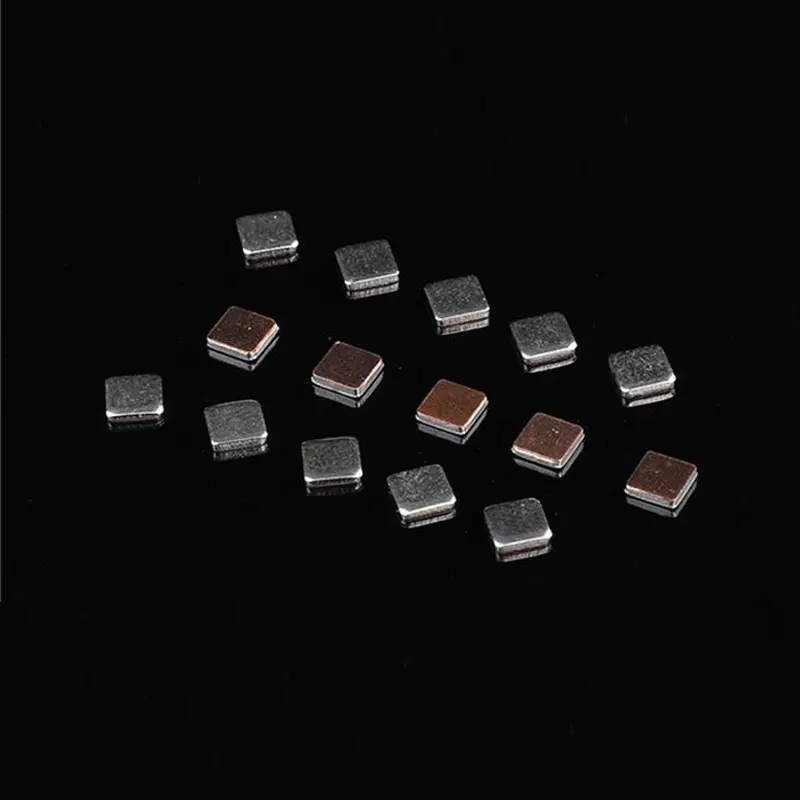
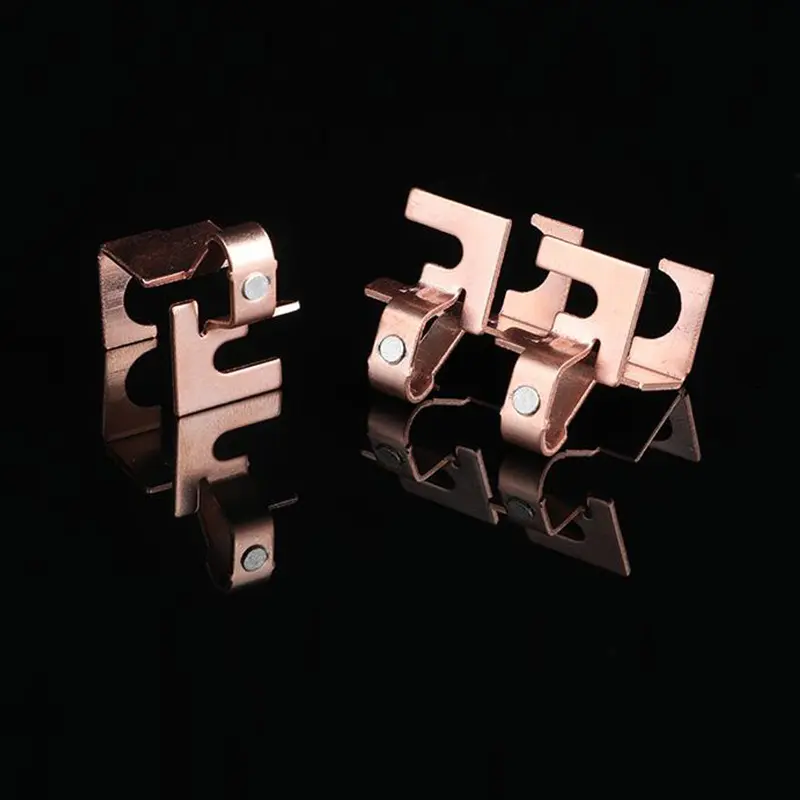
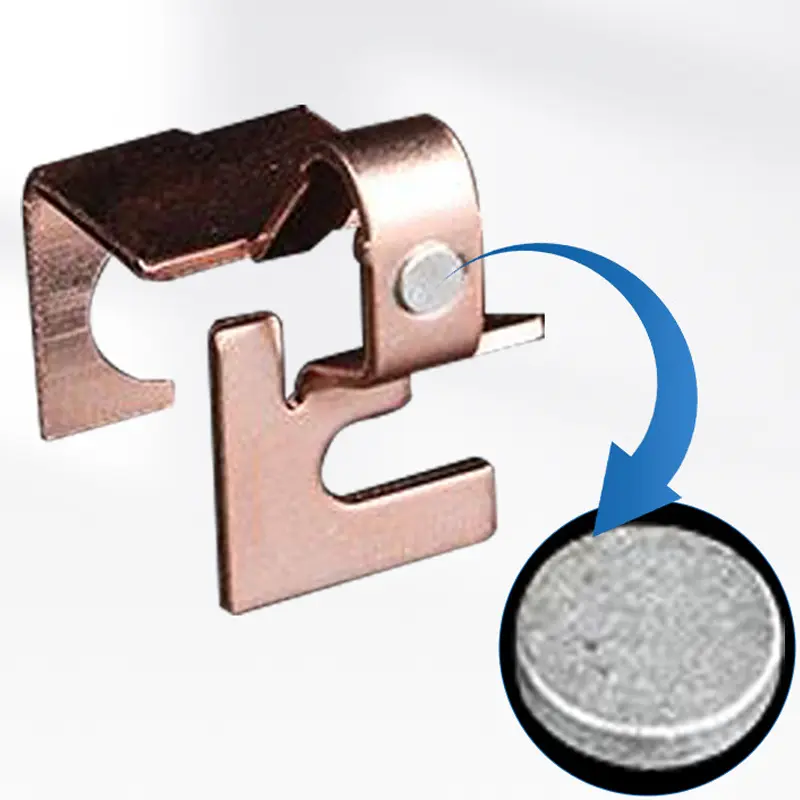
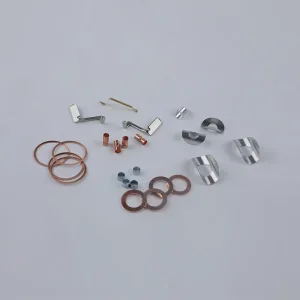
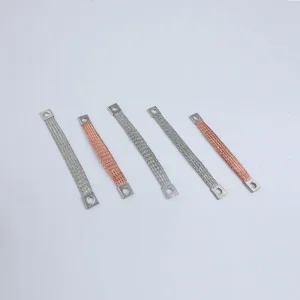
Silver is known for its excellent electrical conductivity, which means that electricity can flow through it with minimal resistance. This feature is critical to ensuring that electrical switches and connectors operate efficiently and do not cause excessive heat build-up or voltage drops. As a result, devices equipped with silver contacts provide reliable and consistent performance, making them ideal for critical applications where accuracy and reliability are critical.
Wear and Corrosion Resistant
Unlike some other metals, silver has excellent wear resistance, making it ideal for use in parts that are frequently exposed to mechanical stress and friction. This durability ensures that silver contacts can withstand numerous operating cycles without significant degradation, extending the life of the equipment in which they are used. Additionally, silver contacts are highly corrosion-resistant, a critical advantage in environments that require exposure to moisture, chemicals, or other corrosive agents. This corrosion resistance helps maintain the integrity of the contacts over time, preventing the formation of oxides or other compounds that could hinder their conductivity. As a result, equipment equipped with silver contacts can continue to operate reliably even under challenging or harsh operating conditions.
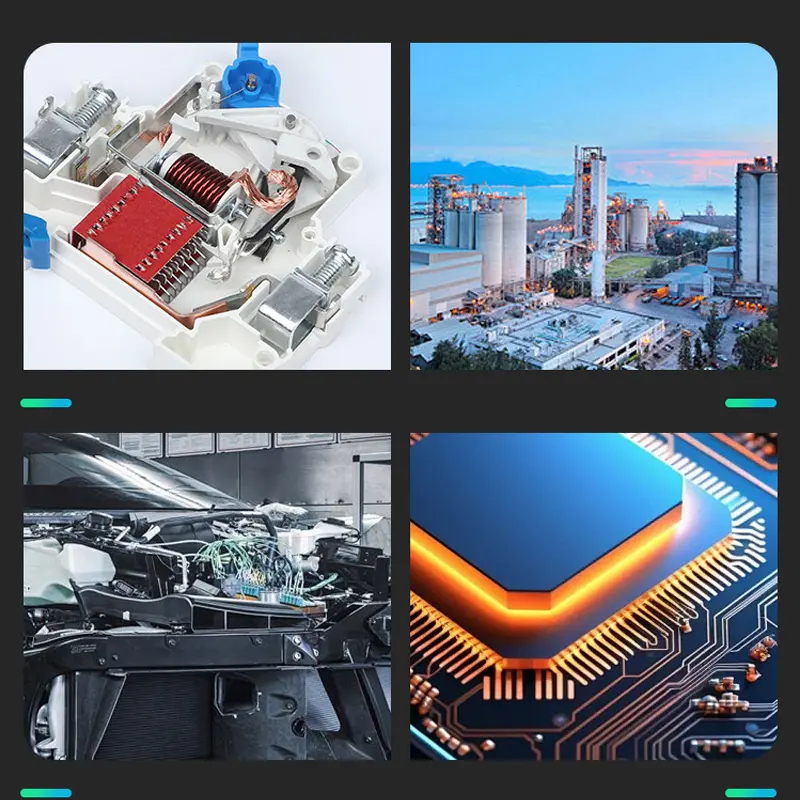
The superior properties of silver contacts make them indispensable in a wide range of applications, from industrial machinery and power distribution systems to consumer electronics and automotive components. Their ability to facilitate the seamless flow of power, coupled with their durability and corrosion resistance, make them ideal for critical electrical connections where performance and reliability cannot be compromised.
Why is silver used in electrical contacts instead of other metals?
Silver is preferred for electrical contacts due to its exceptional electrical conductivity — the highest of all metals. This ensures minimal resistance, reduced heat generation, and stable voltage performance, making silver contacts more reliable and efficient than alternatives like copper or gold in many applications.
How does silver's conductivity benefit electrical switches and connectors?
Silver's high conductivity allows electricity to flow through switches and connectors with very little resistance. This prevents excessive heat build-up and voltage drops, ensuring that the devices operate efficiently and consistently over time.
Are silver contacts suitable for harsh or corrosive environments?
Yes. Silver contacts offer strong corrosion resistance, making them well-suited for environments exposed to moisture, chemicals, or other corrosive agents. This resistance prevents the formation of oxides that could impair conductivity.
How long do silver contacts typically last under repeated mechanical use?
Thanks to silver's excellent wear resistance, silver contacts can endure a large number of operating cycles with minimal degradation. Their durability under mechanical stress significantly extends the service life of the equipment.
In which industries are silver contacts most commonly used?
Silver contacts are widely used across industrial machinery, power distribution systems, consumer electronics, and automotive components where reliable electrical connections are essential.
Can silver contacts maintain performance over a long period of time?
Yes. The corrosion resistance and wear durability of silver contacts help them maintain their electrical integrity over extended periods, preserving their conductivity and structural quality even when exposed to environmental stressors.
 Xingma