Home >
Hot Products >
China Silver Nickel Contacts for Relays and Power Switches - Quality Products from China Suppliers and Factory Manufacturer, Suppliers
1 / 2
China Silver Nickel Contacts for Relays and Power Switches - Quality Products from China Suppliers and Factory Manufacturer, Suppliers
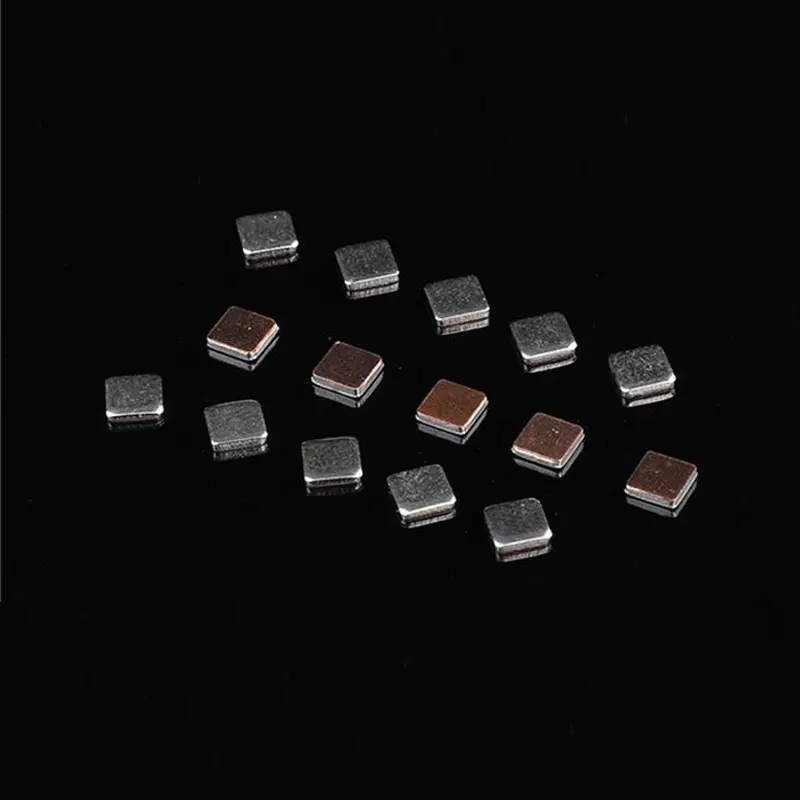
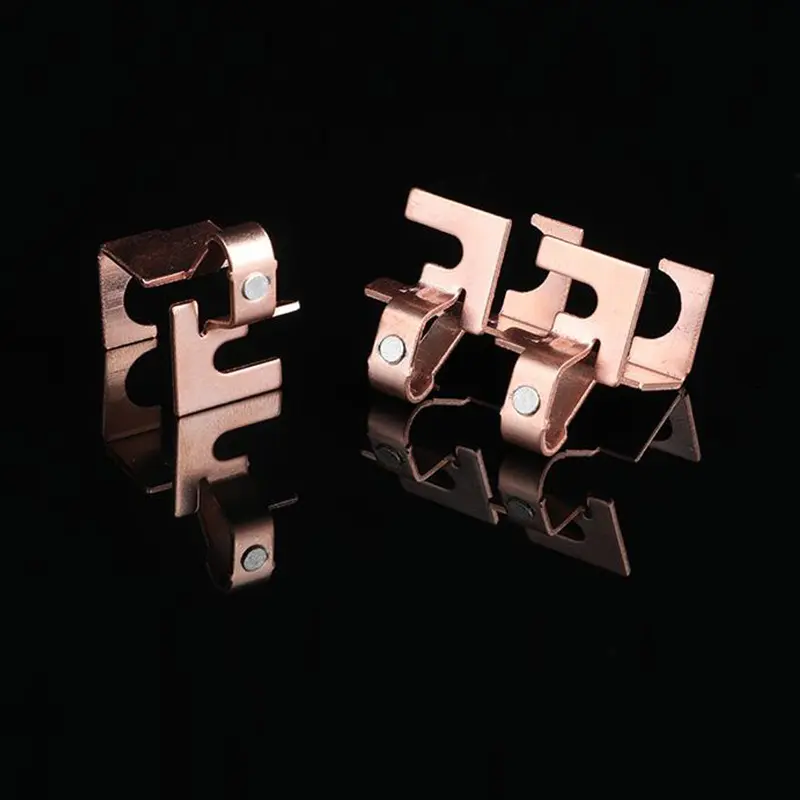
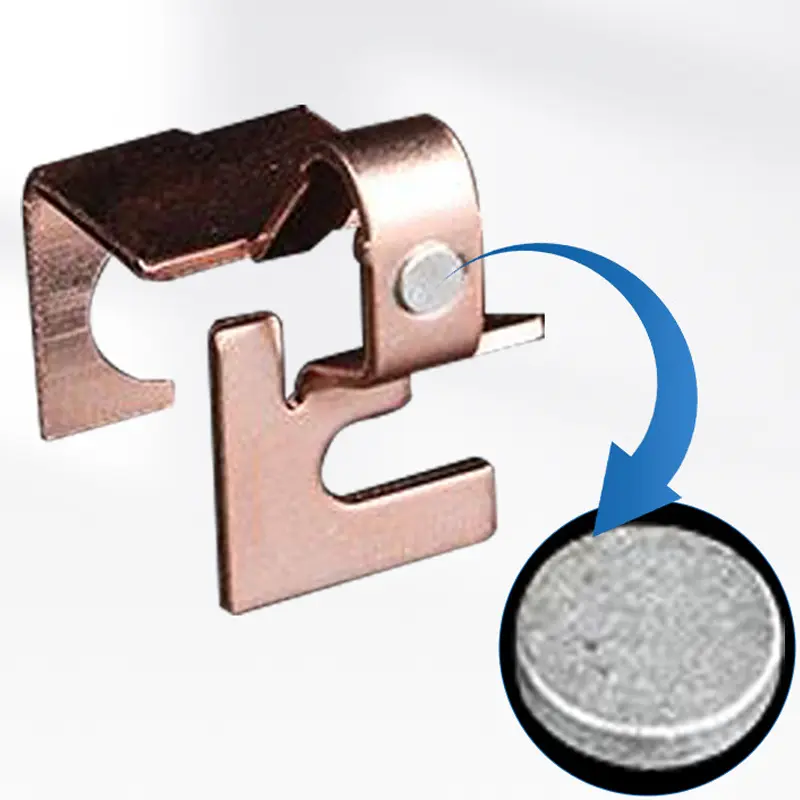
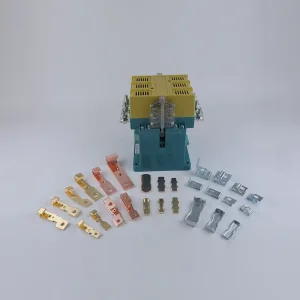
Our high-quality silver nickel alloy is primarily used in relays, contactors, thermostats, timers, and power switches. As a leading China supplier, we offer materials that are more resistant to welding and burning compared to pure silver or fine-grained silver. The enhanced properties stem from the nickel content, which increases the melting point and improves overall performance. All our silver-nickel materials are known for their excellent processability and ease of welding. Additionally, they exhibit minimal material transfer during DC switching, making them an environmentally friendly choice. For any special requirements, customers are encouraged to negotiate directly with our factory to ensure their needs are met.
Silver is known for its excellent electrical conductivity, which means that electricity can flow through it with minimal resistance. This feature is critical to ensuring that electrical switches and connectors operate efficiently and do not cause excessive heat build-up or voltage drops. As a result, devices equipped with silver contacts provide reliable and consistent performance, making them ideal for critical applications where accuracy and reliability are critical.
Wear and Corrosion Resistant
Unlike some other metals, silver has excellent wear resistance, making it ideal for use in parts that are frequently exposed to mechanical stress and friction. This durability ensures that silver contacts can withstand numerous operating cycles without significant degradation, extending the life of the equipment in which they are used.
Additionally, silver contacts are highly corrosion-resistant, a critical advantage in environments that require exposure to moisture, chemicals, or other corrosive agents. This corrosion resistance helps maintain the integrity of the contacts over time, preventing the formation of oxides or other compounds that could hinder their conductivity. As a result, equipment equipped with silver contacts can continue to operate reliably even under challenging or harsh operating conditions.
Wide Range of Applications
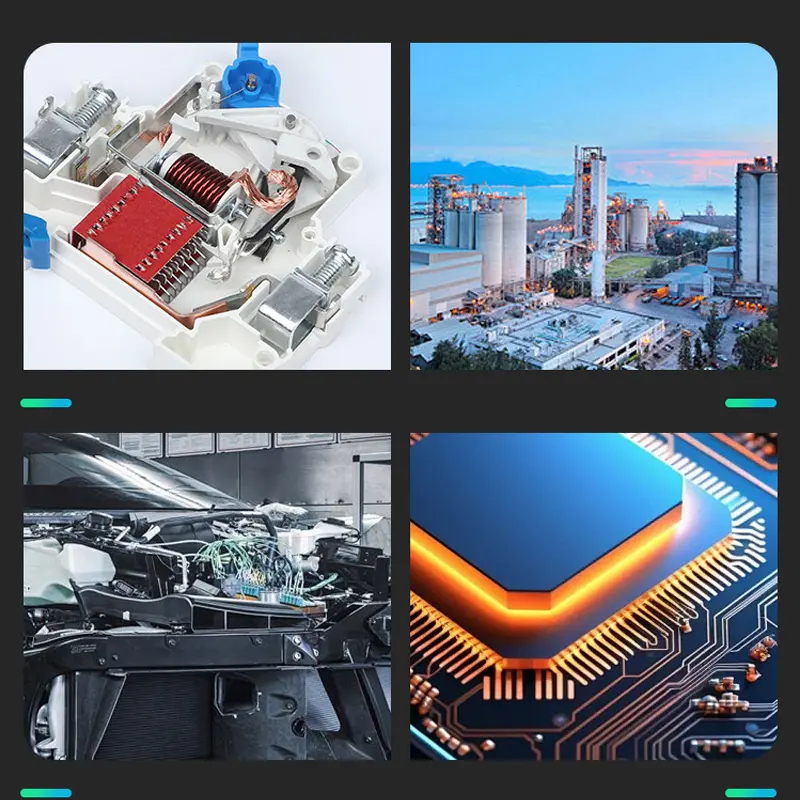
The superior properties of silver contacts make them indispensable in a wide range of applications, from industrial machinery and power distribution systems to consumer electronics and automotive components. Their ability to facilitate the seamless flow of power, coupled with their durability and corrosion resistance, make them ideal for critical electrical connections where performance and reliability cannot be compromised.
Frequently Asked Questions
Q: Why is silver used in electrical contacts instead of other metals?
Silver is preferred for electrical contacts due to its superior electrical conductivity — the highest of all metals. It allows electricity to flow with minimal resistance, reducing heat build-up and voltage drops.
Q: How does silver resist corrosion in harsh environments?
Silver contacts are naturally resistant to corrosion from moisture and chemicals. This prevents oxide formation that could degrade conductivity, maintaining performance in demanding conditions.
Q: What industries commonly use silver contacts?
They are widely used in industrial machinery, power distribution systems, consumer electronics, and automotive components where reliable electrical connections are essential.
Q: How long do silver contacts typically last under mechanical stress?
Due to excellent wear resistance, they can withstand numerous operating cycles without significant degradation, extending the overall lifespan of the equipment.
Q: Can silver contacts maintain performance in high-temperature environments?
Yes. Because silver minimizes electrical resistance, it reduces heat generation during operation, allowing it to perform reliably even when temperature management is critical.
Q: Are silver contacts suitable for both low-voltage and high-voltage applications?
Yes, their high conductivity and stable characteristics make them effective across a broad range of voltages, from consumer electronics to industrial power systems.
 Xingma