Explore our engineering-grade custom copper wiring products manufactured under ISO9001 and ISO14001 quality systems.
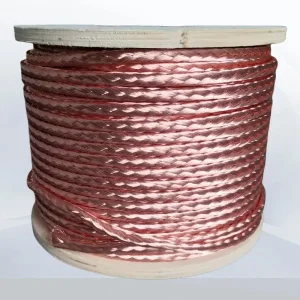
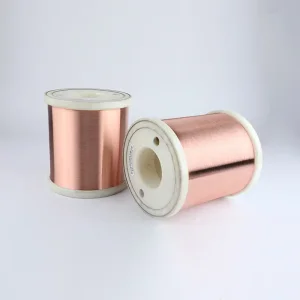
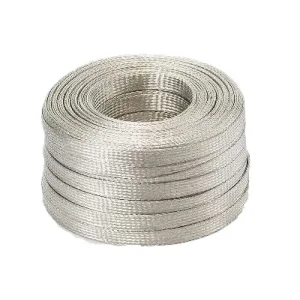
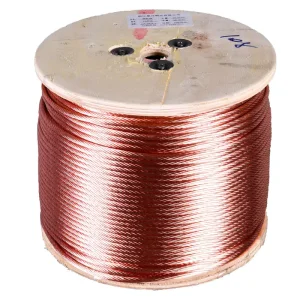
An in-depth whitepaper analysis of tinned flexible copper stranded wire in modern industrial engineering.
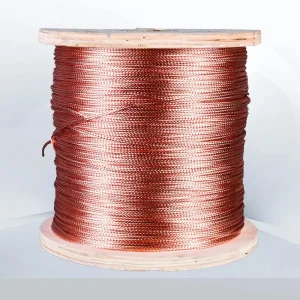
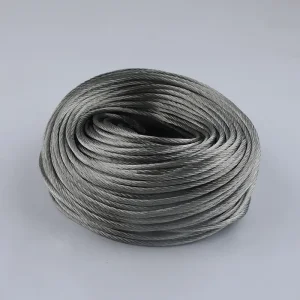
In the modern landscape of electrical distribution and thermal systems, Tinned Flexible Copper Stranded Wire has emerged as an indispensable standard. In contrast to solid conductors, stranded wire configurations offer superior flexibility, resisting fatigue failure caused by persistent vibrations or repetitive dynamic movements. However, copper is naturally prone to oxidation when exposed to moisture, elevated temperatures, and aggressive chemicals.
This vulnerability is countered by electroplating or hot-dip coating each individual copper strand with a precise, microscopic layer of high-purity tin. This thin tin barrier effectively prevents oxidation and corrosive degradation. Tin-plated copper wires maintain their high electrical and thermal conductivity in marine setups, chemical processing facilities, and high-temperature environments. Furthermore, the tin layer enhances solderability, enabling secure electrical terminations without the need for aggressive flux treatments.
Tin plating creates an intermetallic compound (IMC) layer that serves as a barrier against atmospheric sulfur, humidity, and galvanic corrosion. This is highly effective when copper conductors interface with aluminum parts, preventing galvanic decay at electrical contact interfaces.
The global demand for custom tinned copper wire is growing, driven by two major sectors: Electric Vehicles (EVs) and Renewable Energy infrastructures. In EV battery packs, power electronics, and charging systems, flexible tinned copper connectors manage high currents while absorbing chassis vibrations. In solar panels and wind turbines, materials are exposed to fluctuating moisture and thermal cycles. Bare copper wires in these systems can oxidize quickly, causing resistance spikes, heat generation, and potential system failures. Tinned flexible stranded copper wires provide the long-term durability and electrical efficiency needed to sustain these clean energy operations.
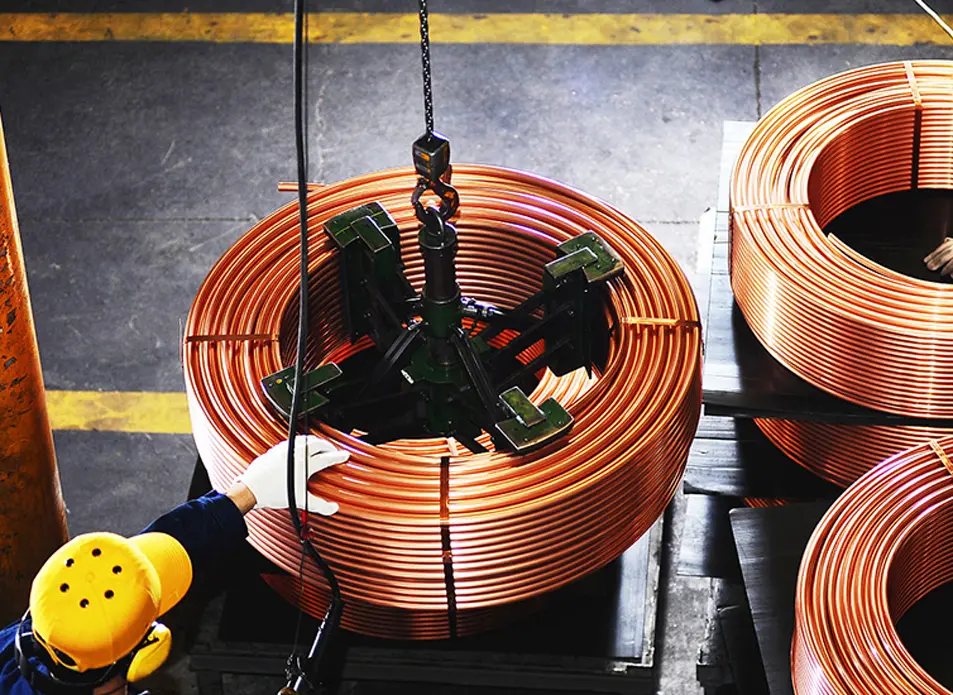
Zhejiang Xingma Copper Industry Co., Ltd. is located in Liushi, Wenzhou—often recognized as the capital of electrical appliances in China. This geographic positioning offers major logistics and raw material advantages. The local industrial ecosystem integrates all stages of production, from raw electrolytic copper mining and wire drawing to plating, stranding, and stamping. Our proximity to material markets and ports like Shanghai and Ningbo helps optimize transport times and supply chain costs.
Operating out of our 10,000-square-meter facility, Xingma utilizes over 300 manufacturing machines. This setup includes Dingtian wire drawing machines, Fuchuan bunching and beam machines, pipe twisting machines, braiding equipment, annealing furnaces, automatic cutters, and spot-welding stations. Our vertically integrated production model allows us to control quality at every step, keeping our annual capacity above 2,000 tons. This allows us to serve global markets while maintaining competitive pricing and consistent lead times.
| Specification Parameter | Industrial Standard Value | Xingma Factory Custom Capability |
|---|---|---|
| Copper Purity Grade | ≥ 99.9% (T1 / T2 Red Copper) | 99.95% Electrolytic Cathode Copper |
| Single Strand Diameter | 0.05 mm - 0.30 mm | Ultra-fine 0.05 mm to 0.50 mm customizable |
| Tin Coating Thickness | ASTM B33 Class A / B | Electro-plating & Hot-dip options (1.0 - 5.0 microns) |
| Flexing Class Resistance | IEC 60228 Class 5 & Class 6 | Ultra-flexible Class 6 configurations for motion control |
| Compliance Standards | ISO9001, RoHS, REACH | Certified compliant with trace documentation provided |
Tinned flexible copper stranded wire is designed for demanding engineering applications. Our components are customized to meet specific needs across various industries:
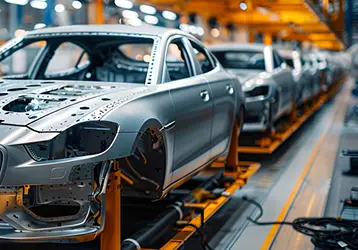
Used in high-vibration engine grounds, battery management systems, and sensor cables where mechanical flexibility and resistance to thermal aging are critical.
Tinned stranded copper is used in solar panels and wind turbine power connections. It withstands outdoor elements, high UV exposure, and moisture without corroding.
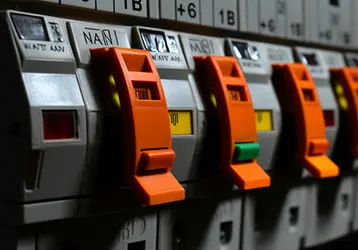
Provides connections in circuit breakers, high-voltage switch cabinets, and heavy-duty contactors, preventing oxidation under high operational temperatures.
When source-selecting tinned copper wiring components, procurement professionals must evaluate beyond simple cost metrics. Factors to consider include:
Providing high-conductivity connection systems for key global industries.


Professional engineering answers resolving complex procurement and application doubts.
Tinned copper stranded wire has a layer of high-purity tin over the copper strands. This layer prevents oxidation under high heat, humidity, and chemical exposure. It also helps protect the wire from corrosion in marine and heavy industrial environments. The tin coating also improves solderability and helps prevent galvanic corrosion when the copper wire interfaces with aluminum terminals.
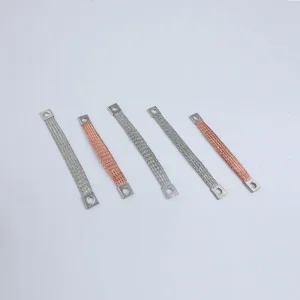
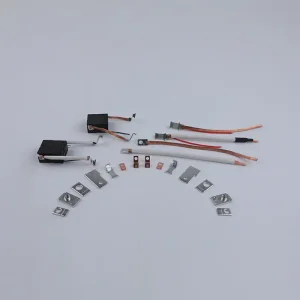
We offer customization options for strand diameters (ranging from ultra-fine 0.05 mm to 0.50 mm), overall cross-sectional areas, configuration types (round, flat, braided, or stranded), tin-plating thickness, and insulation sleeves (silicone, PVC, or heat-shrinkable tubing). Additionally, we can integrate custom punched, welded, or pressed copper terminals to deliver complete connectivity components.
Xingma maintains quality control systems certified to ISO9001 and ISO14001 standards. We utilize advanced testing equipment, including microscope hardness testers, electrical conductivity testers, tension testers, and dimensional inspection systems. Our raw materials are sourced from high-grade cathode copper producers, and each batch comes with full material tracing reports.
Liushi is a major hub for China's electrical components industry, concentrating raw material suppliers, specialized tool manufacturers, logistics networks, and skilled labor. This proximity reduces material transit times and production overhead. We pass these efficiency gains to our global partners, offering shorter lead times and competitive pricing.
Our copper braided and stranded wires are designed to meet major international engineering standards, including ASTM B33 (standard specification for tinned soft or annealed copper wire for electrical purposes), DIN EN 13602, and IEC 60228 Class 5 & 6. Our products also comply with RoHS and REACH standards.
Explore our industrial-grade silver nickel contacts, braided shielding tapes, and custom stamping components.
 Xingma